A busy street can make a living room feel like a bus shelter, and the cause is rarely the glass alone. The sound takes the weakest path on offer, and that path is usually a thin gap you can’t see. This page follows one room of 13.6 m² on the second floor, facing a road. It sorts the noise into three versions and offers four fixes that range from free to a glazier’s visit. Each fix attacks a different route into the room. Every figure belongs to one sample flat, so take your own window’s measurements first.
How Traffic Noise Comes Through the Window
Sound reaches a room by whichever route lets most of it in. There are three routes. One is a gap and another is the thin pane itself, while the third is the frame that carries a share into the wall. A gap passes sound almost untouched, while a thin pane shakes and passes it on.
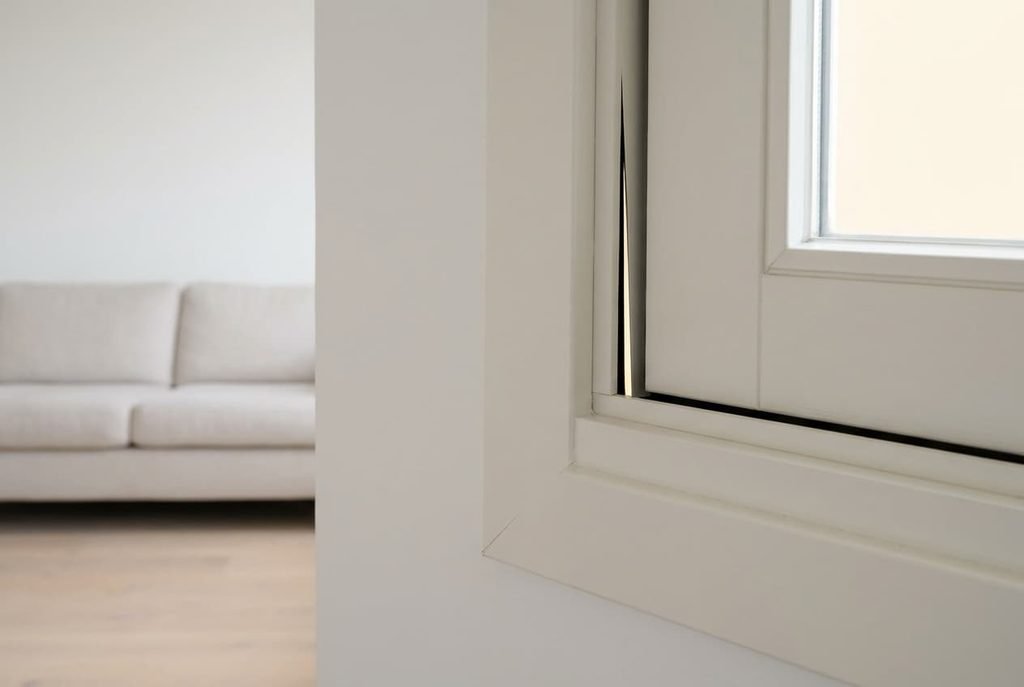
A small gap matters far more than its size suggests. Our window measures 1.4 × 1.2 m, which gives an area of 1.68 m². A seal that has shrunk by 2 mm leaves a slit around a frame of 5.2 m, and that slit covers 0.0104 m², about 0.6% of the window. Even a slit that small still caps the whole window at roughly 22 dB of reduction, whatever glass sits in the frame. Traffic at 70 dB then arrives at about 48 dB, which is loud enough to cover a television.
Pitch changes the picture. Tyre hiss is high, and thin layers stop most of it. Lorry rumble is low, and low sound pushes through glass and walls far more easily. A fix that tames the hiss can leave the rumble nearly alone.
Count the leaks before the glass.
Confirming Which Version You Have
When traffic noise comes through the window, three quick tests show which route carries it. Close the window fully and sit where you usually do, on a normal afternoon.
Note each test’s result on its own line, to compare after every fix.
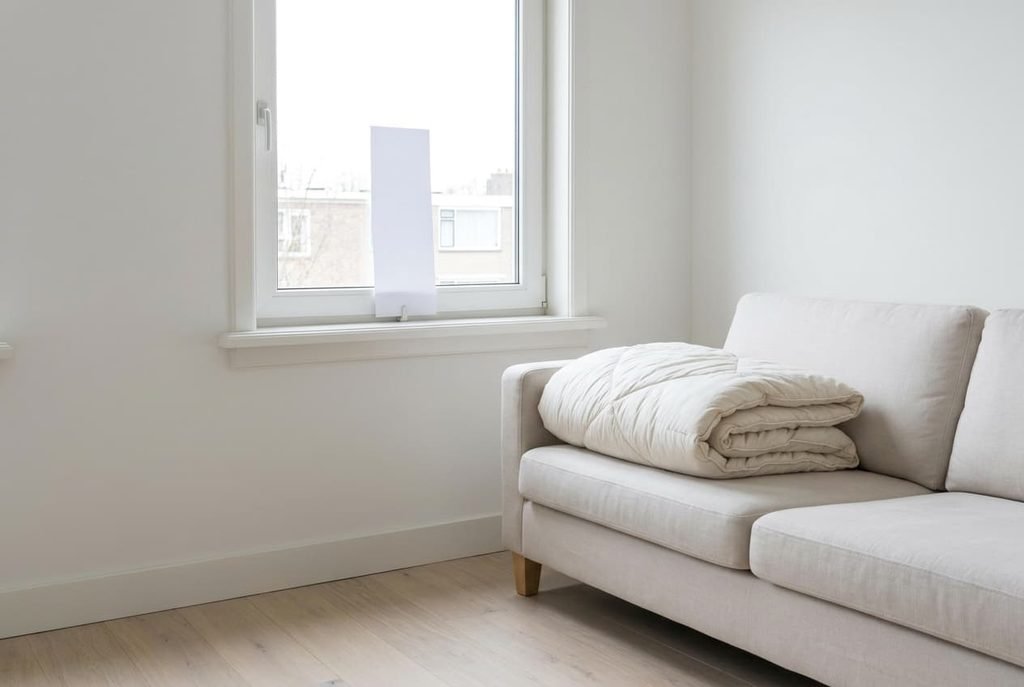
First, slide a strip of paper between the closed sash and the frame at several points. If it pulls out with no resistance, the seal is loose. Try all four sides, since the bottom edge leaks most often once the sash has settled over the years. Second, hang a thick duvet over the whole window and listen for a minute. A sharp drop in the hiss means the window itself carries the sound. Little change means it arrives through the wall or the ventilation grille. Third, notice the pitch. Hiss and squeal point to leaks and thin glass, while a low drone points to heavy vehicles and the structure.
If the paper test fails and the duvet helps, fixes one to three apply. When the duvet changes little, go to the part about your own architecture.

Four Fixes When Road Noise Comes Through the Window
Compress the seal you already have: the free fix closes the slit from the first section. Many modern frames have adjustable catches that press the sash against its seal, and a hex key plus ten minutes will move them. Close the handle fully, since a handle left one notch open leaves a gap. This step is free, though a perished seal sets the limit, since it can’t be pressed back into shape. Run the paper test again after each turn, and assume the step gains about 3 dB at best on a seal that is merely loose.
Hang a heavy, lined curtain from ceiling to floor: the first purchase adds mass and absorbs hiss. Two layers hung 10 cm out from the glass trap a pocket of air, and the cloth covers the frame edges where leaks hide. It’s cheap and quick to fit. Let the cloth overlap the frame by 15 cm at both edges and stop short of the floor by 2 cm, so no gap lets sound round the side. It cuts only the high end, though, because lorry rumble passes through cloth almost unchanged, so expect a modest gain of a few dB.
Fit a secondary pane inside the room: a clear sheet on a clip-in or magnetic frame sits 8 to 10 cm inside the existing glass. The air gap separates the two panes, so the second starts to shake once the first has let some sound through. A pane of 4 mm clear acrylic hung 9 cm out is heavy enough to matter at the high end. A made-to-measure pane costs noticeably more. It works best on top of a good seal, and it needs a sill deep enough for the frame. Check that the frame comes off without leaving marks, since the landlord will look.
Replace the glass with laminated acoustic glazing: the professional fix swaps the pane for glass with a plastic layer between two sheets, which damps vibration. It’s the only option that tackles the pane itself, and it also helps with low sound. It costs the most of the four. The landlord must agree, and in a block the owners’ association must too, with a glazier doing the work. The glazier will measure the opening and say whether the old frame can take thicker glass. Expect several weeks between the order and the fitting.
What Your Own Window Allows
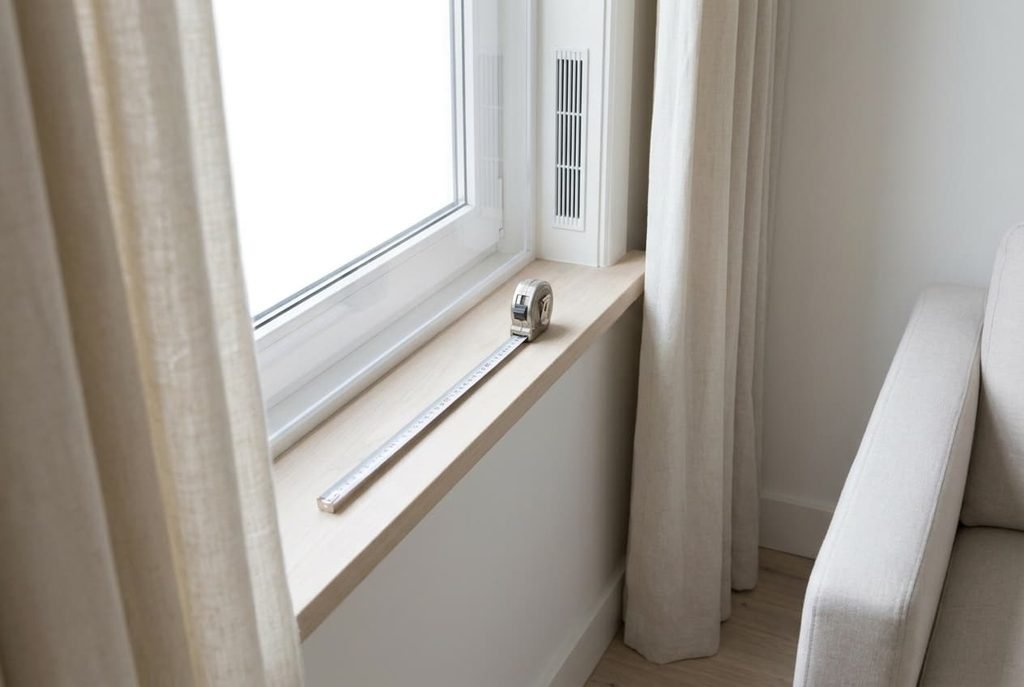
Our room has a ventilation grille above the frame, built in on purpose to bring in fresh air. It’s a deliberate gap in the facade, and it lets in sound at a level the best window can’t beat. Treat it as fixed: leave it open and accept the ceiling it sets on what any of the four fixes can reach. In this room, traffic noise comes through the window and the grille together.
The second constraint is rental. The glass and the frame belong to the landlord, so anything on the sill must be reversible. That rules out the fourth fix unless the landlord pays, and it favours the first three.
The sill measures 12 cm in depth, which fits a secondary pane at 8 to 10 cm. A window with a shallower sill might take only the curtain. Measure three things before ordering: the sill depth, the swing of the sash, plus where the grille sits.
The Fix That Doesn’t Work
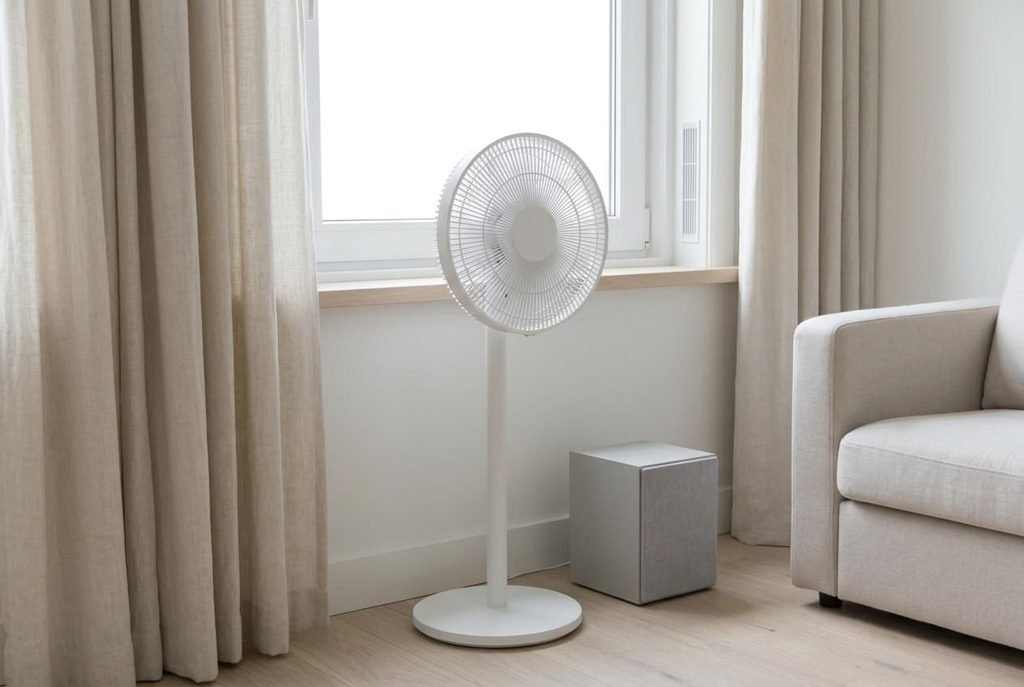
Playing louder sound over the road feels like a cure and returns nothing. Whenever the street gets loud, a fan adds its own level to the room instead of removing the street’s. Our room at 48 dB would rise to about 52 dB with the masking sound on top, and the traffic still arrives. It can ease the jolt of a sudden horn, which helps some people, but the street itself is untouched.
It also hides the cause. While the masking plays, you stop noticing the leak, and the seal goes unfixed for another year. Masking also needs power and a speaker, so it adds another device to a room already crowded. A louder room makes people raise their voices to talk over the mix, which lifts the level again. Treat masking as a finish coat to add once the gaps are closed.
If traffic noise comes through the window of your own living room, begin with the paper test tonight and let its result choose the first fix. Go down the fixes singly and retest after each. Stop once the room sounds right. Most flats get the largest drop from the first two steps. The expensive glazing pays off only after the cheap steps have run their course and the rumble remains.
Questions Readers Keep Asking
Can this be fixed at all in a rented flat?
Partly. You can compress the seal and hang a lined curtain. A secondary pane that comes away cleanly adds more. Together they can lower the level by several dB, which you’ll hear. The glass and the grille stay as they are, so the room won’t go silent. Ask the landlord about glazing.
What does each fix cost, in relative terms?
The seal adjustment costs a few minutes. A lined curtain costs a modest sum, and a made-to-measure secondary pane costs noticeably more. New acoustic glazing is a major job with the highest price. Start at the cheap end, because each step needs the seal tested first.
Is the ventilation grille the problem?
Often it’s the biggest single gap, so it’s worth testing. Hold a cushion over it for a minute and listen. If the room goes quieter, the grille carries a real share. Don’t block it for good, since it supplies fresh air, and a blocked one can bring condensation.