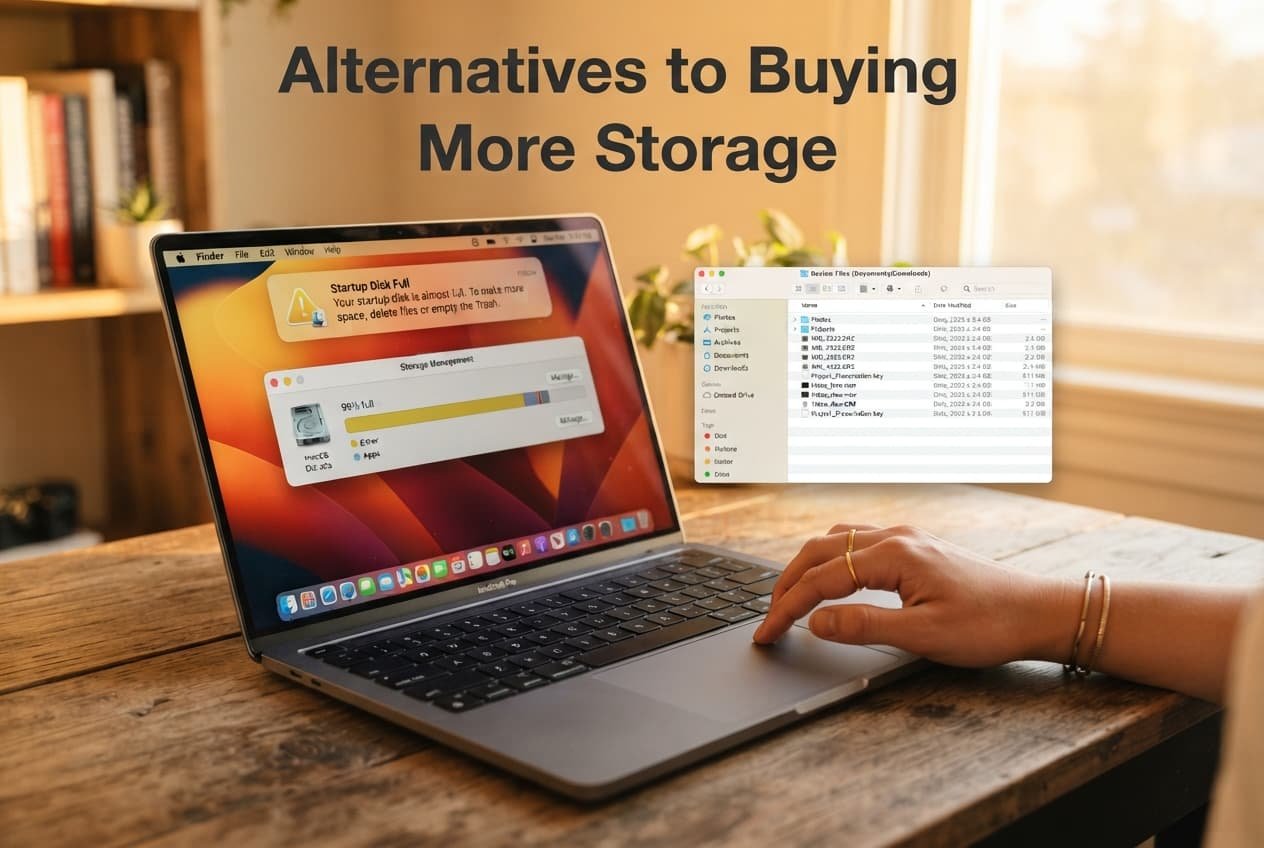
Buying additional storage genuinely is the most straightforward way to solve a genuinely full device or drive, and there’s absolutely nothing wrong with choosing that particular option – but “most straightforward” and “the only genuinely necessary option” are quite different things, and the gap between them is exactly where the case for a genuine alternative starts to make sense. If you’ve noticed storage warnings appearing regularly and want to understand what else is genuinely available before committing to a purchase, the realistic path depends on understanding what’s actually consuming your space and what each alternative trades away to address it.
What’s actually filling your storage
The core issue often isn’t genuinely insufficient total capacity – it’s accumulated content you’re no longer actually using taking up space that could otherwise be available. This matters because purchasing additional storage specifically addresses total capacity, while doing nothing for the accumulated, genuinely unnecessary content that’s actually consuming your existing space in the first place.
This particular and genuine distinction is precisely where the case for genuine alternatives actually begins in practice. Identifying what’s genuinely filling your storage – actually needed content versus accumulated clutter – changes which alternative, if any, might resolve your situation more effectively than simply adding more total capacity would.
The kinds of alternative, and what each costs you
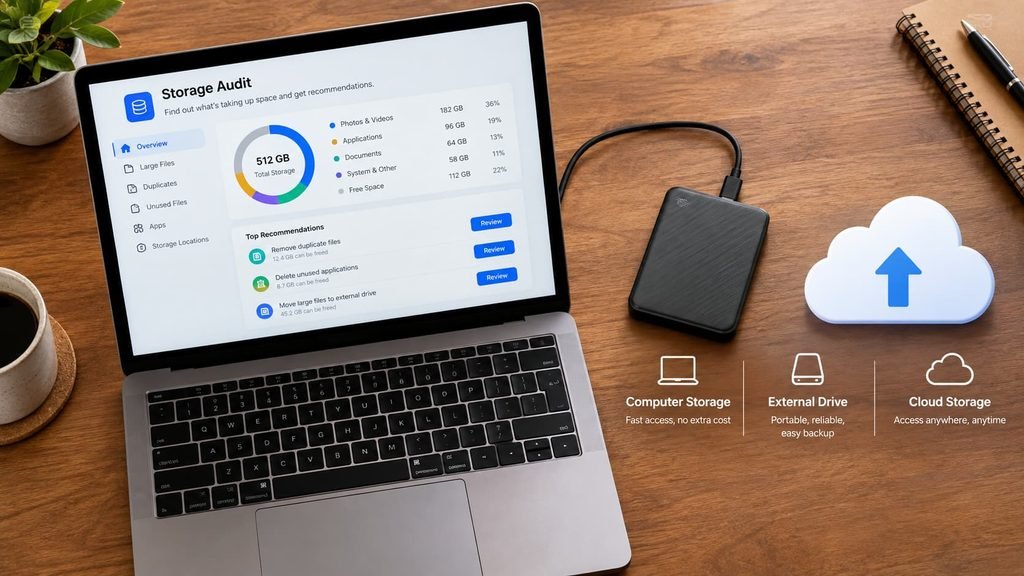
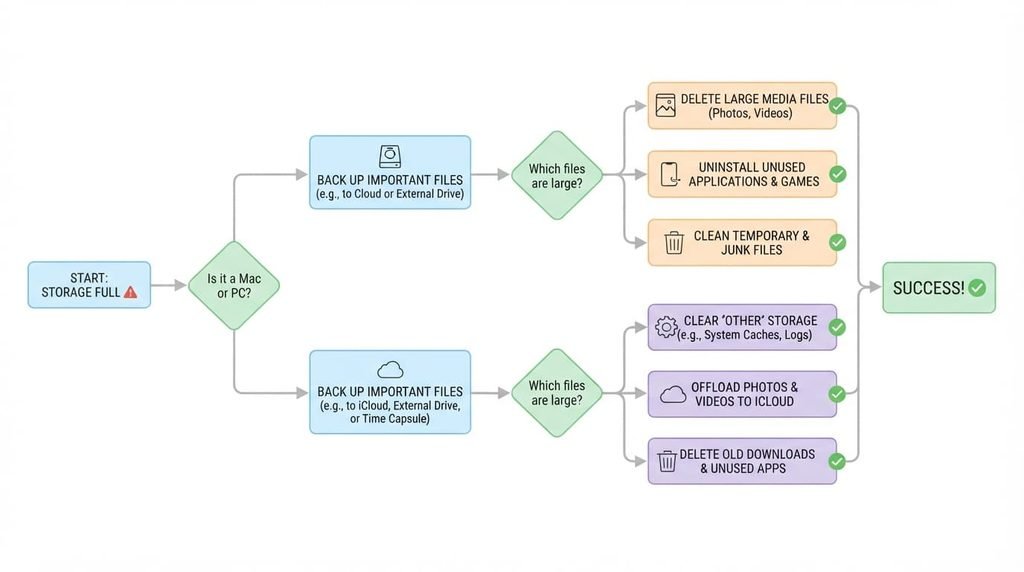
Auditing and removing genuinely unnecessary content specifically – duplicate files, unused applications, content you’ve genuinely finished with. This directly addresses accumulated clutter at its actual source, often freeing meaningful space without any purchase at all. The trade-off: this requires genuine time and effort to review and decide what’s actually necessary, rather than the more passive solution simply buying more capacity provides.
Moving genuinely infrequently accessed content to a separate, lower-cost storage solution specifically. This directly frees your primary storage for actively used content while still preserving access to less frequently needed material through a different, appropriate location. The trade-off: accessing this moved content becomes somewhat less immediate than having everything directly available on your primary device.
Using a cloud-based storage service specifically for content genuinely suited to this approach, rather than expanding physical local storage. This directly addresses capacity without requiring physical storage expansion, while providing genuine access flexibility across devices. The trade-off: this typically involves an ongoing subscription cost rather than physical storage’s one-time purchase, and requires genuine internet access for that content.
The trade-off nobody warns you about
The cost that shows up mid-decision isn’t the money saved by avoiding a storage purchase – it’s discovering how much of your storage was actually consumed by genuinely forgotten or unnecessary content you hadn’t realised was still sitting there.
Most advice about running-out-of-storage situations jumps straight to purchase recommendations. Nobody mentions clearly enough that a meaningful portion of typical storage problems stem from accumulated clutter rather than genuine insufficient capacity, and recognising which category your specific situation falls into changes which alternative, if any, is actually worth pursuing.
How to figure out what you actually need
Review your actual current storage usage specifically, identifying what’s genuinely consuming the most space, since this reveals whether your situation is genuinely about insufficient total capacity or accumulated content you could reasonably remove or relocate instead.
Consider how frequently you genuinely access different categories of your stored content, since content you access rarely, if ever, is a stronger candidate for relocation to alternative storage than content you use regularly and would want immediately accessible.

When buying more storage remains the reasonable choice
If you’ve genuinely audited your existing storage, removed what’s actually unnecessary, and still find your genuine, actively used content requires more capacity than you currently have, purchasing additional storage remains a reasonable, meaningfully justified choice specifically for that situation, rather than something to feel you should avoid.
I’ll say this plainly: storage purchases get recommended more readily than the actual situation often justifies, particularly when the underlying issue is genuinely addressable accumulated clutter rather than a fundamental capacity shortfall. The push toward buying more storage is often the default advice given regardless of whether it actually addresses someone’s specific, diagnosed situation.
The one check worth doing before you buy anything
Before committing to a storage purchase, honestly review what’s actually consuming your current space, rather than assuming your situation automatically requires more total capacity without first confirming this is genuinely the case.
This one check prevents unnecessary spending on additional capacity that accumulated clutter removal might have addressed just as effectively, focusing any actual purchase specifically on genuine capacity needs your review confirms are real.

What people get wrong about these alternatives
The most common mistake is assuming a thorough storage audit is a one-time task rather than an ongoing habit worth maintaining periodically. Content that was genuinely necessary at one particular point in time can gradually become unnecessary clutter over time, meaning a single past audit doesn’t genuinely guarantee your storage remains optimally organised indefinitely without any further ongoing attention and periodic review.
A second genuinely common mistake is moving content to alternative storage without genuinely and thoughtfully organising it in a way that remains truly findable later on. Relocated content that becomes effectively and genuinely lost due to poor organisation provides considerably less genuine practical value than the same content would have offered even while genuinely consuming more of your primary storage space directly.

Considering the genuine environmental angle too
For some people specifically, extending existing storage’s usable life through genuine cleanup and thoughtful reorganisation rather than purchasing additional physical devices carries a genuine secondary benefit specifically – meaningfully reducing electronic waste, which is a reasonable additional consideration alongside the cost and convenience factors covered above, particularly if your existing storage is otherwise still genuinely functional and adequate once properly and thoroughly organised.
Questions readers keep asking
How do I know if my storage issue is genuinely about capacity or accumulated clutter?
Reviewing your own actual storage breakdown by content type and genuine recency of use reveals this specific distinction reasonably clearly overall – a large volume of genuinely old, unused content suggests clutter, while consistently full storage despite regular clearing suggests genuine capacity limitation for your actual use.
Is moving content to alternative storage genuinely inconvenient for everyday use?
For content you genuinely access rarely, the actual inconvenience is typically quite minimal relative to the space genuinely freed, though for content you’d want more immediate access to, this trade-off matters more, making the specific content’s genuine access frequency worth considering before relocating it.
Is it worth using automated tools specifically designed to identify duplicate or unnecessary files?
For genuinely large or genuinely complex storage situations specifically, yes, quite often – these particular tools can identify patterns and duplicates considerably more efficiently than manual review alone typically allows, though confirming their suggestions before actually deleting anything remains genuinely worthwhile, since automated identification isn’t always perfectly accurate for every single genuine use case.
Does regularly auditing storage prevent this situation from recurring in the future?
Genuinely, yes – building a habit of periodic storage review helps prevent the same accumulated-clutter situation from developing again, making this a worthwhile ongoing practice rather than a one-time fix you’d otherwise need to repeat entirely from scratch later.