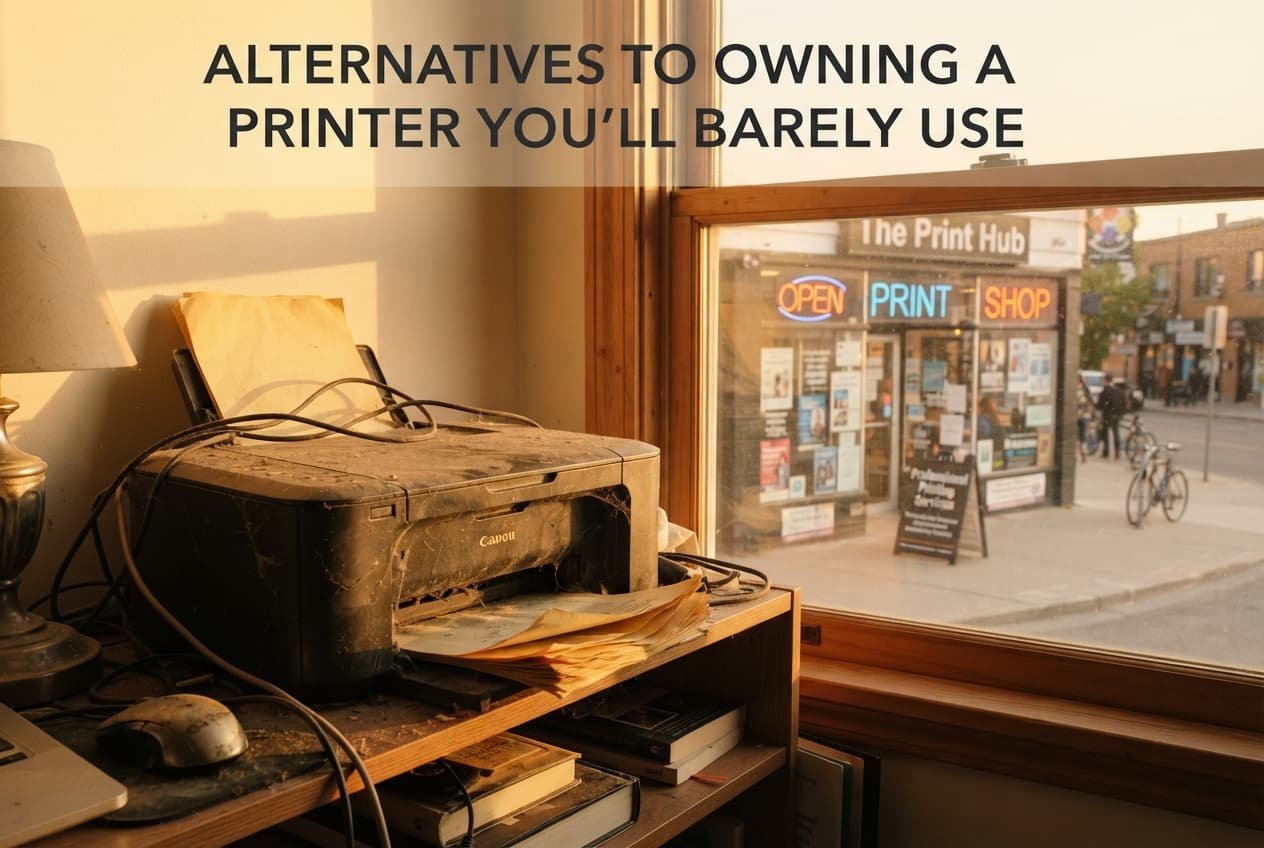
Owning a home printer genuinely is the most straightforward way to have immediate printing access whenever you need it, and there’s nothing wrong with choosing that option – but “most straightforward” and “the only genuinely worthwhile option” are different things, and the gap between them is exactly where the case for an alternative starts to make sense. If you’ve noticed your printer sits unused for weeks between rare, urgent needs, the realistic path depends on understanding what your actual printing pattern genuinely requires and what each alternative trades away to meet it differently.
What owning a rarely used printer is actually costing you
The core cost isn’t simply the printer’s upfront price – it’s the accumulated ink drying, connectivity drift, and general disuse-related deterioration that develops specifically because a printer sitting unused doesn’t maintain itself the way regularly used equipment does. This matters because these accumulated issues mean your printer is often genuinely less reliable exactly when you actually need it most urgently, undermining the very convenience owning one was supposed to provide.
This specific pattern is where the case for alternatives begins. If your actual printing need is genuinely infrequent, the ongoing maintenance burden of keeping a rarely used printer reliable may cost you more in frustration than the alternatives below would require for the same genuine occasional need.
The kinds of alternative, and what each costs you
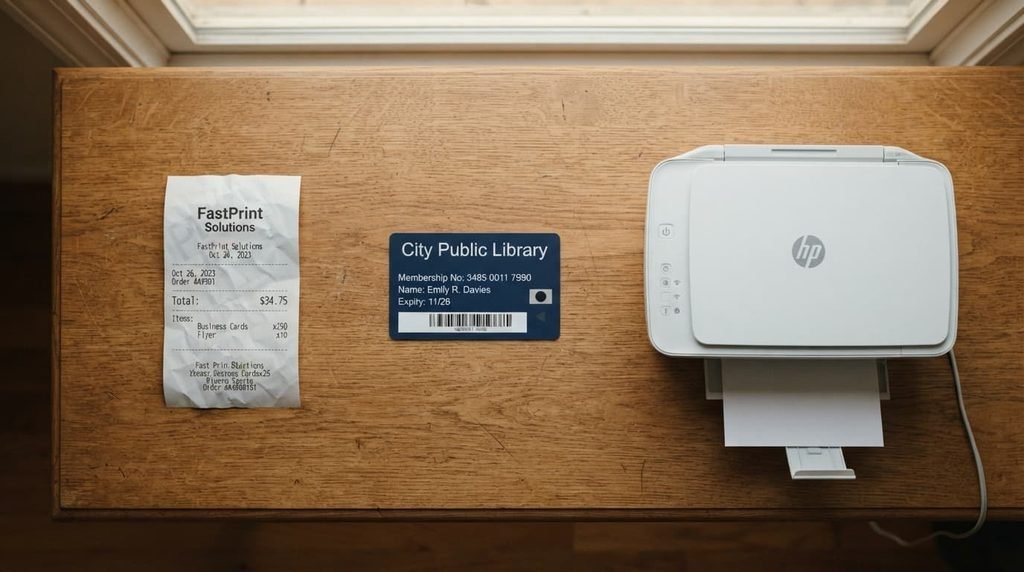
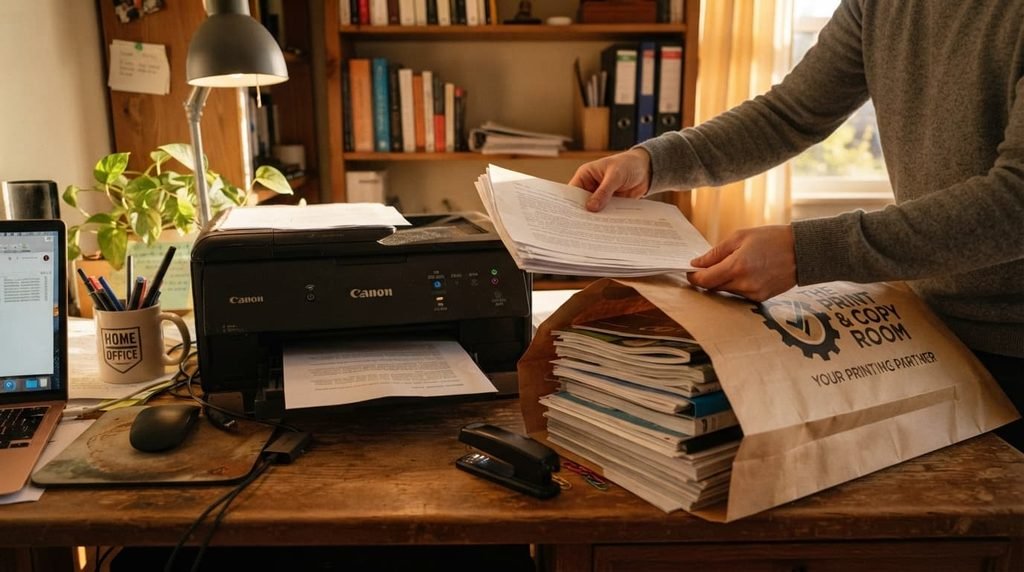
Using a local print shop or service specifically for your occasional printing needs. This directly eliminates the ongoing maintenance burden entirely, since you’re accessing professionally maintained equipment only when you genuinely need it, without any disuse-related deterioration to manage yourself. The trade-off: this requires travelling somewhere specifically to print, and doesn’t provide the genuine immediate convenience of printing something the moment you think of it at home.
Using a library or community printing resource, if genuinely accessible to you. This directly provides low-cost or free access for occasional needs, removing both the ownership and maintenance burden entirely for infrequent use. The trade-off: this depends on genuine accessibility – opening hours, physical proximity – matching your actual typical printing needs, which may not align well for every household’s specific situation.
Maintaining a genuinely minimal, low-maintenance printer specifically chosen for infrequent use, rather than assuming any printer suits this pattern equally well. This directly addresses infrequent use by choosing technology genuinely suited to this specific pattern – certain printer types tolerate disuse considerably better than others – rather than assuming ownership itself is the problem. The trade-off: this still requires some ongoing attention, even if considerably less than a printer poorly suited to infrequent use would demand.
The trade-off nobody warns you about
The cost that shows up mid-decision isn’t the money saved by avoiding printer ownership – it’s discovering how much of your printing need was actually genuinely urgent and immediate versus something that could have reasonably waited for a scheduled trip to an alternative source.
Most advice about printing alternatives focuses entirely on cost comparison. Nobody mentions clearly enough that a meaningful portion of “I need to print this right now” urgency is actually more flexible than it initially feels, and recognising which category your specific situation falls into changes which alternative, if any, genuinely serves you better.
How to figure out what you actually need
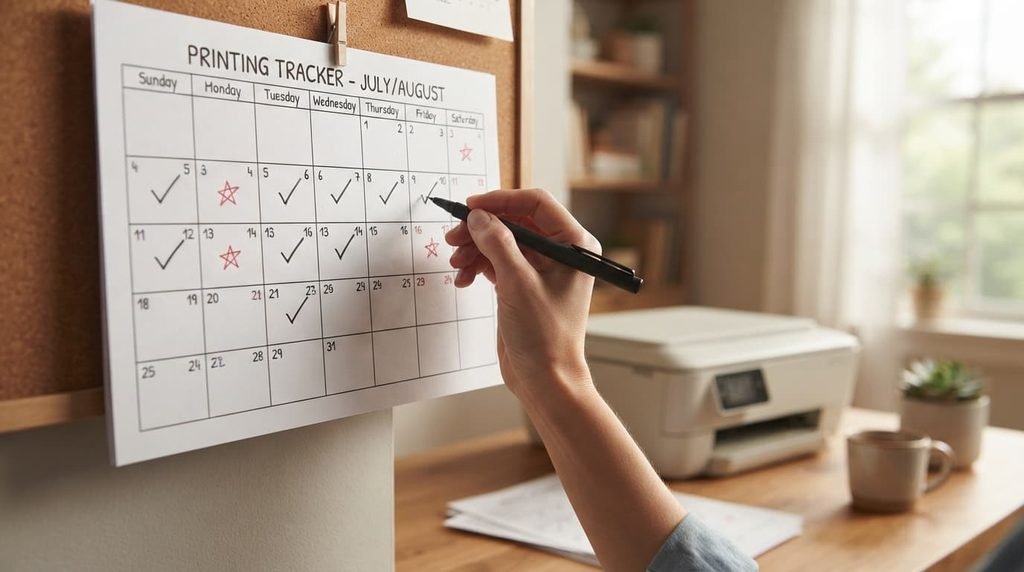
Track your genuine printing frequency and urgency pattern for a few weeks specifically, noting not just how often you print but how genuinely time-sensitive each instance actually was, since this reveals whether your actual pattern suits an alternative or genuinely requires immediate home access.
Consider your realistic proximity and access to alternatives specifically – a nearby print shop, library hours matching your schedule – since an alternative that’s theoretically available but practically inconvenient for your actual routine doesn’t serve you as well as it might for someone with better genuine access.
When home ownership remains the reasonable choice
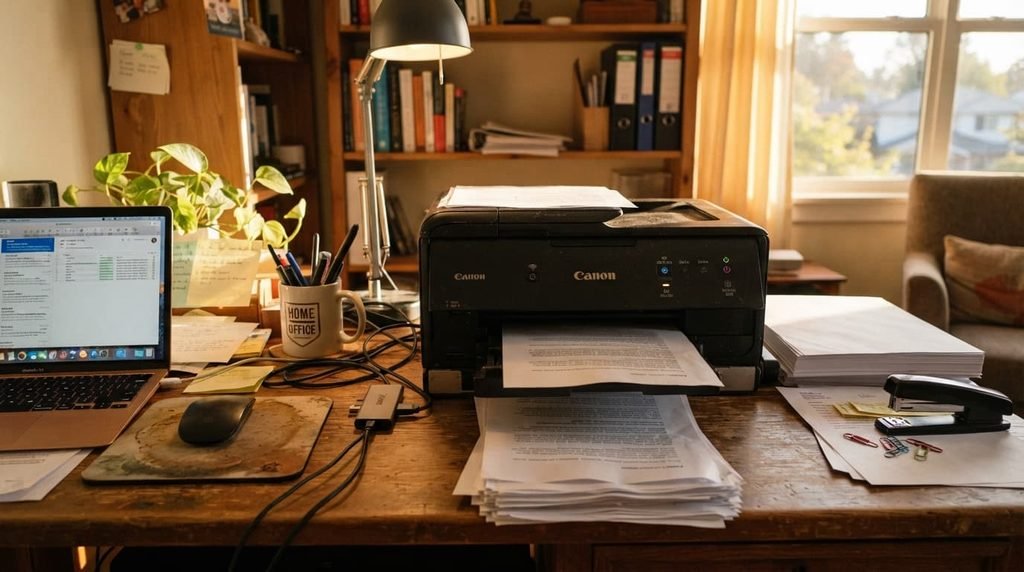
If your household genuinely prints frequently enough to avoid the disuse-related issues covered above, or if your printing needs are genuinely time-sensitive in ways alternatives can’t accommodate, owning a printer remains a reasonable, meaningfully convenient choice specifically for that pattern, rather than something to feel you should avoid.
I’ll say this plainly: printer ownership gets criticised for wasted potential more readily than the actual situation often justifies, particularly for households whose actual use pattern, while modest, still genuinely benefits from immediate home access. The push toward alternatives is often framed as universally smarter, when for someone genuinely valuing immediate access regardless of frequency, the alternatives don’t necessarily represent a meaningfully better choice.
The one check worth doing before you decide anything
Before committing to either continued ownership or a specific alternative, honestly track your actual printing pattern for a genuine period, rather than assuming your infrequent use automatically means ownership isn’t worthwhile, or that it definitely is.
This one check prevents both unnecessarily maintaining a rarely used printer that’s becoming a recurring source of frustration, and unnecessarily abandoning genuine home convenience for a pattern that would actually benefit from immediate access more than you initially assumed.
What people get wrong about these alternatives
The most common mistake is assuming all alternatives require equally significant advance planning, when in practice options vary considerably in their genuine spontaneity – some print shops offer quick turnaround that rivals home printing’s immediacy for many practical purposes, while others genuinely require more advance notice that doesn’t suit every situation equally well.
A second common mistake is abandoning printer ownership entirely without first genuinely attempting the simpler maintenance habits – periodic test prints, keeping software current – that might resolve the reliability issues driving frustration in the first place. Sometimes the actual problem is addressable maintenance neglect rather than a fundamental mismatch between ownership and your genuine printing pattern.
Questions readers keep asking
How infrequent does printing need to be before alternatives genuinely make more sense than ownership?
This varies by individual tolerance for the maintenance burden specifically, though households printing less than roughly once a month often find the accumulated disuse issues create enough frustration that alternatives genuinely start looking more appealing for their particular pattern.
Are print shop or library printing costs genuinely reasonable for occasional use?
For genuinely occasional needs specifically, yes, often – the per-use cost typically remains modest enough that infrequent access doesn’t accumulate to anything close to what maintaining a home printer, including its ongoing supply costs, would actually total over the same period.
Does combining a print-shop alternative with occasional home printing genuinely make sense, or should I commit to one approach?
Combining approaches can genuinely work well for some households – using a print shop for larger, less urgent jobs while keeping minimal home capability for genuine small emergencies lets you match each approach to the specific situation it actually suits best, rather than forcing every printing need through a single method.
Is it worth keeping a very basic printer just for genuine emergencies, even if rarely used?
For some households, yes – if genuine emergency printing needs occasionally arise with insufficient time to reach an alternative, a basic, low-maintenance printer specifically chosen for this infrequent-use pattern can provide reasonable peace of mind despite the accumulated maintenance trade-off.