Cell F14 says Priya owes £7.9975, and no bank can send £7.9975. Half-pennies are the first sign that a sheet is doing a job it wasn’t built for, and they send people looking for what to use instead of a shared spreadsheet. A single check shows whether switching is worth the trouble. Does everyone in the flat pay the same share? If they do, a simpler route can take over, and if they don’t, the sheet may keep its place. Every figure below is an invented example for four people sharing a UK flat, so your own flat will give other numbers.
What has to survive when you use something instead of a shared spreadsheet
Start by listing what the sheet does for you without being asked. It holds the bills themselves, with the date each was paid and the person who paid it. It also holds a running balance for every flatmate. The easy part moves anywhere, as plain text always does. A broadband bill of £31.99 split four ways gives £7.9975 a head, and the flat’s four monthly bills total £230.59, of which energy is £118.60. The hard part is the share each person owes on each bill, down to the penny, since a sheet can give one bill an uneven split and another an equal one.
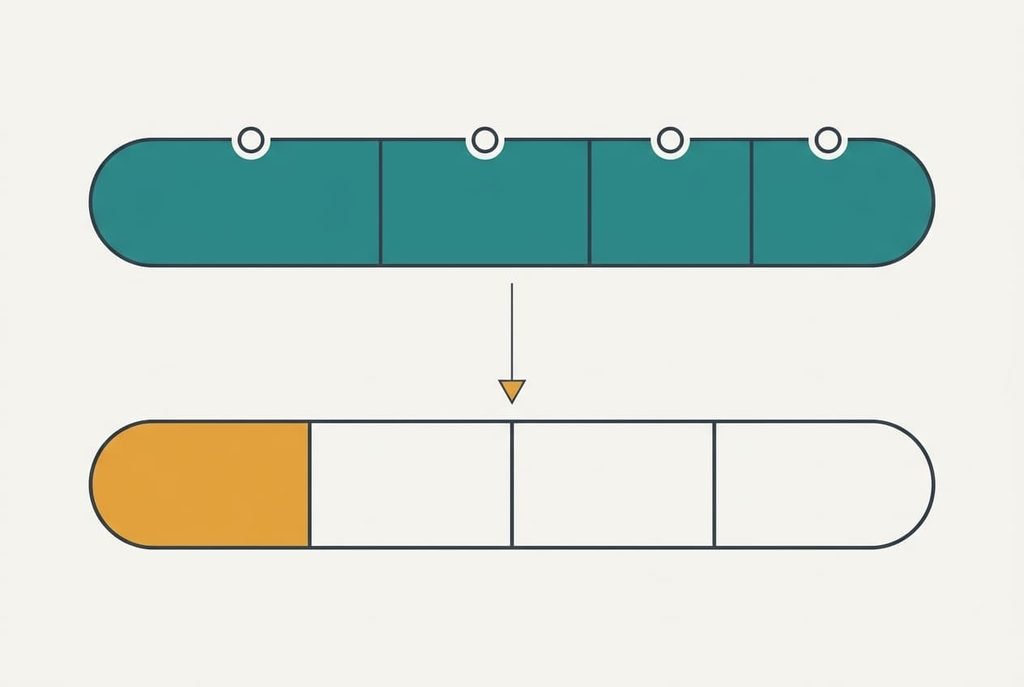
Take a gas and electricity bill of £118.60. In our flat the big room pays 35%, the next 25% and the other two 20% each. That gives £41.51, £29.65, £23.72 and £23.72, and the four shares add back to £118.60 exactly. An equal split would charge the big room £29.65, which is £11.86 a month too little, or £142.32 a year.
Anything that can’t hold a custom share quietly turns it into an equal one. The balance survives in every route below, but the reasoning behind it survives in only some.
Three routes instead of the shared spreadsheet, and what each costs
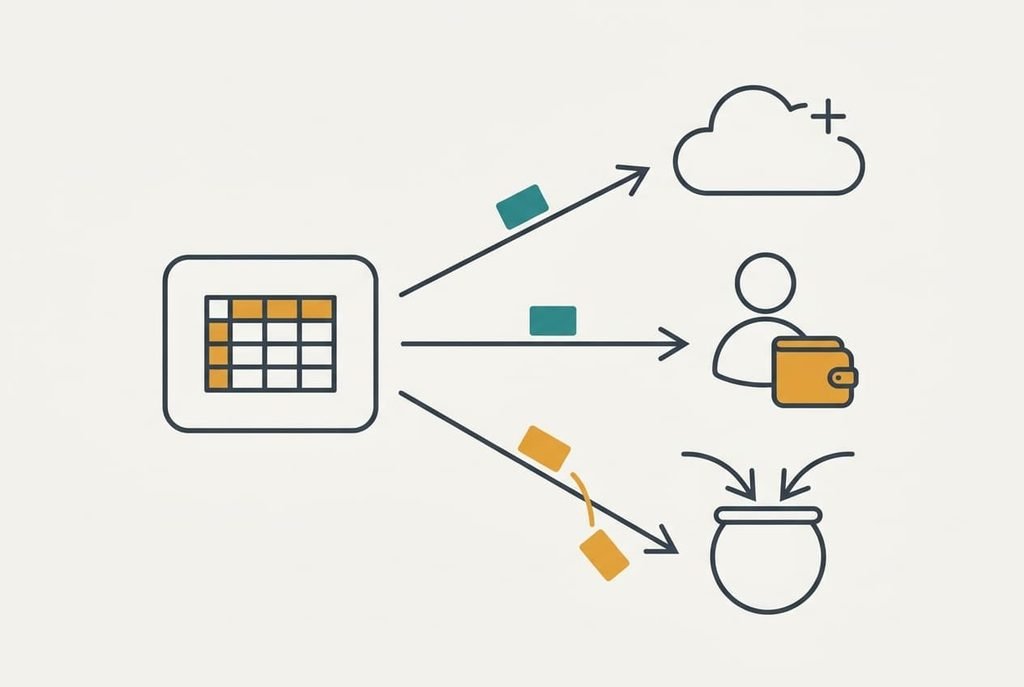
1. A paid expense-sharing service. Think of this as the money route, best for a flat where several people pay different bills and nobody wants to do the sums. Everyone enters payments in one place and balances appear at once. It costs a monthly fee and an account per flatmate. Your bills land when you import a file with one row per bill, and the balances come out the same. Custom shares survive only if the service offers percentages, and many offer equal splits alone. It ends when one person refuses another login and the flat drifts back to messages.
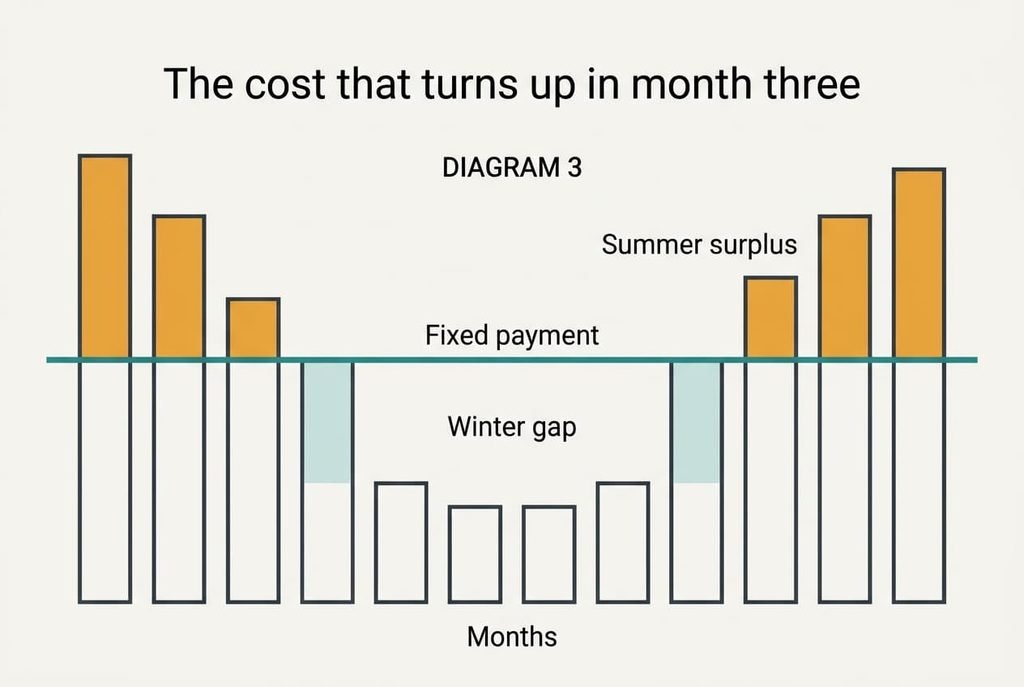
2. One person fronts every bill, and the others pay a fixed amount each month. Think of this as the effort route, a fit for a flat where one tenant is happy to be the bank. Nobody records anything. Your history stays in the old sheet as a locked record. Only the monthly total moves. Energy bills swing with the seasons, so a fixed amount drifts away from the truth. On the invented year in this article, winter bills run to £175 and summer ones to £58. A fixed £113 a month leaves the one who fronts them £146 short by the third winter month. It ends when that person wants the gap repaid.
3. A joint account for bills. Call it the feature-loss route. It fits couples or flatmates with equal shares who want nothing to track. Everyone sends their share on one date, and the account pays the bills by direct debit. You give up the record of who paid what, and you give up uneven shares. Your balance lands as the opening deposit, which has to be agreed first. It ends when someone leaves, because closing a shared account needs every holder to sign off.
The cost that turns up in month three
Anything you adopt instead of a shared spreadsheet costs you the page anyone can open to see what they owe today, because every route above puts that answer behind a login or a person. In month three the first winter bill arrives. Under the fixed-amount route the one who fronts it covers £140 in February, against a monthly payment of £113, and the gap has no row to sit in. Someone asks what they owe, and the honest answer takes a message and an hour.
Under the other routes the gap shows up differently. A service shows a balance, yet it can’t show the argument that produced it. A joint account shows a number, and only the person who keeps the statements can explain it. I’d argue that disagreement is cheaper than silence. A sheet makes everyone look at the same number, and leaving it hands the number to one person.
How to switch over without losing anything
Export first. Copy the whole sheet into a file named by date, because that copy replaces the record you were relying on. Then settle to zero. Pick the last day of a month and work out each person’s balance. Everyone then pays or receives it, so nobody starts the new route owing the old one.
Then run both routes for one month. Enter the same bills in the new place and the old sheet, and compare the balances at the end. Any difference of more than a penny means a share was changed on the way over, which is exactly what you want to find out now. After that, switch fully. One message tells everyone what’s different. Whatever you pick instead of a shared spreadsheet, keep the old file for a year, because a dispute in month nine will be settled by it.
Nothing is deleted until the second month passes cleanly.
When to stay with the shared spreadsheet
Stay put when your shares are unequal and you want them kept, since that single fact beats every route you could use instead of a shared spreadsheet. A flat with different room sizes, or one heavy energy user, needs the percentages that a sheet holds and most routes drop. The sheet earns its place at that point, and it costs about eight minutes a month for four bills.
Stay as well when one bill dominates. If a single payment makes up 60% of the monthly total, a fixed-amount route will always drift, and a joint account will drain. At £118.60 out of £230.59 our energy bill is only 51%, so the risk is real but not extreme. Whether your flat has a dominant bill is the number to check. Ask each person whether they’d accept a monthly message, because the answer decides which route they’ll tolerate.
The export to do before you decide anything
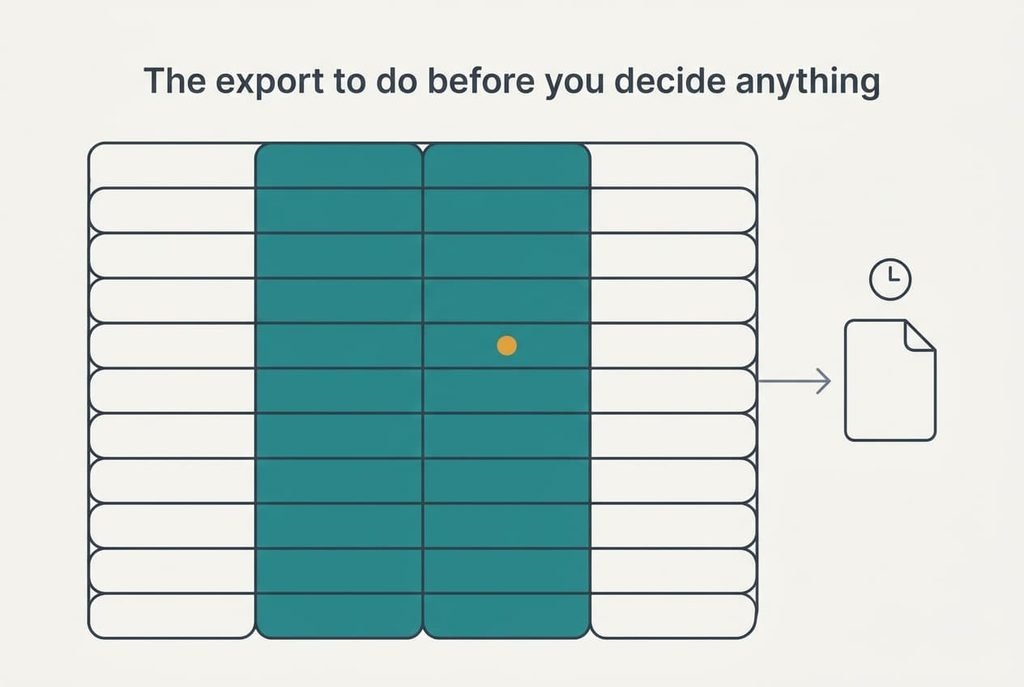
Whichever route wins, the first job is the same. Pull a table of the last twelve months of bills, each row showing the payer and the shares. Open the sheet and copy one row per bill. Add a column holding each person’s share, then one for what they paid.
Look at three results. First, whether any bill used an unequal share. Second, which month had the largest gap between the highest and lowest bill. Third, the net balance for each person today. If every share was equal and the balances are small, a simpler route is safe. One unequal share is enough to justify staying.
With that table you can test any route later, and that’s worth more than a choice made today.
The thing a sheet holds that nothing here matches is the exact share on each bill. The table reveals how heavily your flat leans on it, and it takes an evening. A short list favours a simpler route, while a long list says stay. Either way you’ll have the answer before the next bill.
Questions readers keep asking
Will my bill history move over if I leave the spreadsheet?
Yes, as plain rows. Dates and amounts copy across as a file that most services read. Custom shares are the part that may drop out, so check the first imported month against your old sheet to the penny before trusting it.
Is it cheaper to stop using a shared spreadsheet?
Usually not by much. The sheet itself costs nothing, and the alternatives either charge a recurring fee or cost a person’s time. A fixed amount costs nothing, but it leaves the one who fronts the bills carrying the winter gap. Count your own minutes before you count the fee.
Is it worth the disruption to change?
Only when the sheet is visibly failing, for example through half-penny shares that nobody can explain. If every flatmate reads it and trusts it, leave it alone. A change costs one evening to export and a month to run both, so reserve it for a problem you can name.