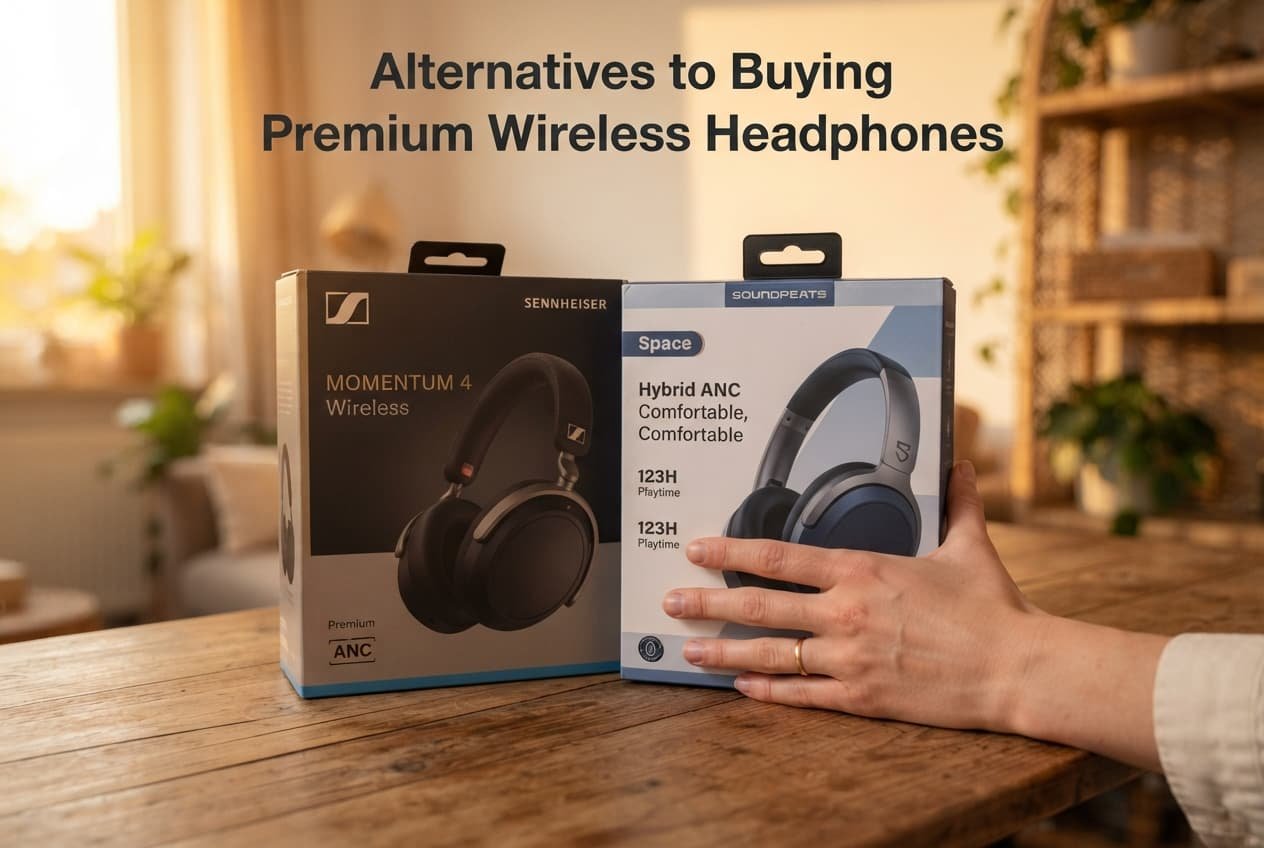
Buying premium wireless headphones genuinely is the most straightforward way to access their combined feature set, and there’s nothing wrong with choosing that option – but “most straightforward” and “the only genuinely worthwhile option” are different things, and the gap between them is exactly where the case for an alternative starts to make sense. If premium pricing has given you pause and you want to understand what else is genuinely available, the realistic path depends on understanding what specifically you’d actually use from a premium pair and what each alternative trades away to provide it more affordably.
What premium pricing is actually paying for
Premium wireless headphones typically bundle together several distinct capabilities – advanced noise cancellation, premium build materials, extensive companion app features, top-tier microphone quality – into one combined package. This matters because you’re paying for the full bundle regardless of whether you’d genuinely use every included capability, meaning a meaningful portion of that premium price can go toward features that don’t actually serve your own specific use pattern.
This distinction is where the case for alternatives begins. Identifying which specific capabilities from that bundle you’d genuinely use regularly, versus which ones sound appealing but wouldn’t actually factor into your daily use, changes which alternative, if any, might serve you just as well for considerably less cost.
The kinds of alternative, and what each costs you
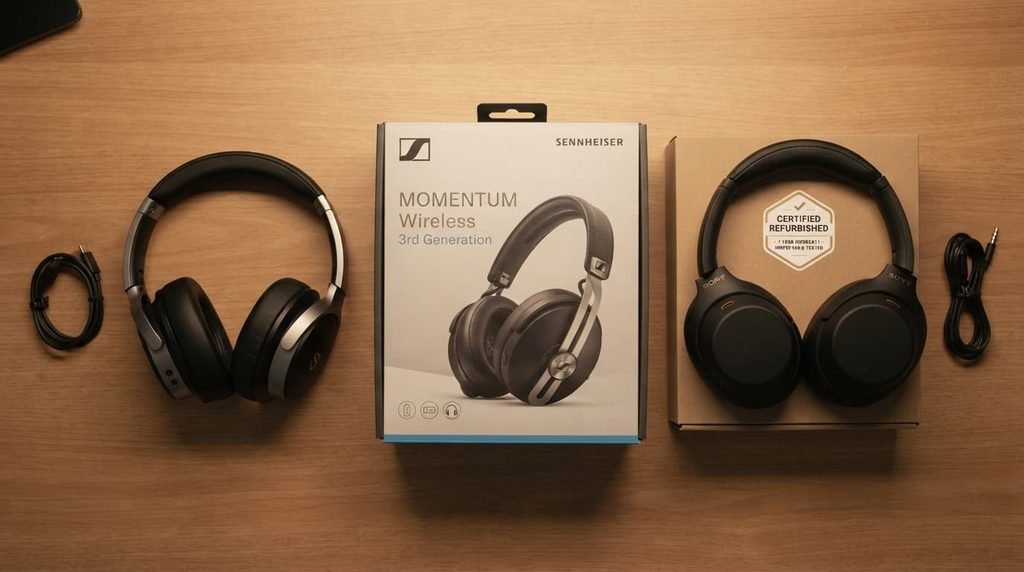
A mid-range pair genuinely excelling in your own specific priority areas, rather than a premium pair excelling broadly across every category. This directly addresses your actual specific needs for considerably less cost than a premium option covering categories you might not genuinely use. The trade-off: a mid-range pair focused on your priorities may genuinely underperform in categories you don’t personally prioritise, which is acceptable specifically because you’re not paying for capability you wouldn’t use anyway.
Waiting for a previous generation’s premium model, once a newer version has been released. This directly provides access to genuinely premium capability at a meaningfully reduced price, since previous-generation premium models typically see price reductions once a newer version becomes available. The trade-off: you miss whatever specific improvements the newer generation actually introduced, though these improvements may or may not matter for your own particular use pattern.
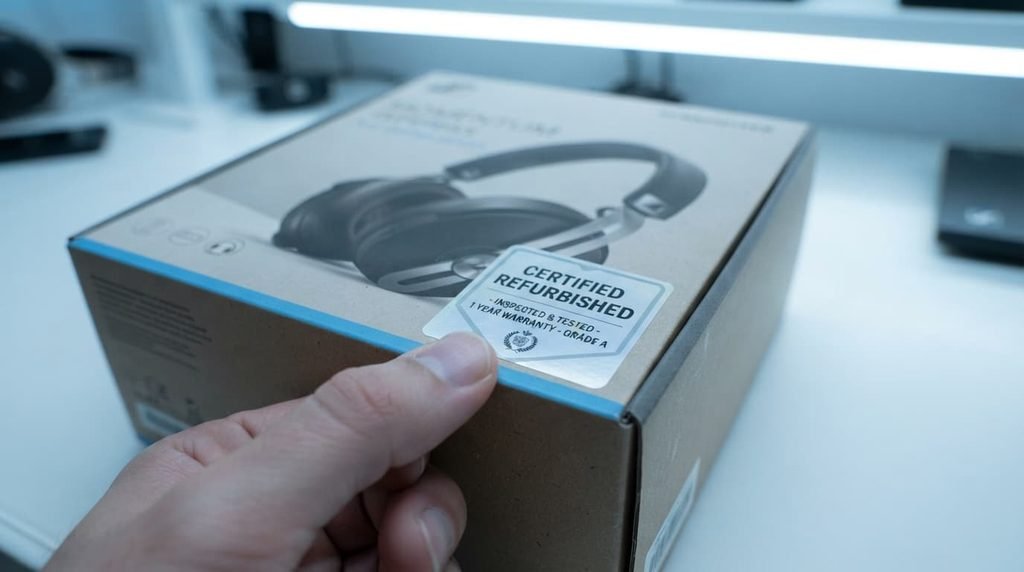
Purchasing refurbished or open-box premium headphones through a reputable, genuinely trustworthy source. This directly provides access to the same premium capability at a meaningfully reduced price, since refurbished and open-box items are typically priced below new retail specifically to reflect their non-new condition. The trade-off: this requires genuinely verifying the specific seller’s reputation and return policy, since quality and condition can vary considerably between different refurbished sources.
The trade-off nobody warns you about
The cost that shows up mid-decision isn’t the money saved by avoiding premium pricing – it’s discovering how much of premium pricing’s appeal was actually about the bundled feature set as a whole, rather than any specific feature you’d genuinely use regularly yourself.
Most advice about affordable headphone alternatives focuses entirely on price comparison. Nobody mentions clearly enough that a meaningful portion of premium appeal is the complete bundle itself, and recognising which specific pieces of that bundle you’d actually use changes which alternative genuinely serves your own particular needs best.

How to figure out what you actually need
Identify specifically which premium capabilities you’d genuinely use regularly – excellent noise cancellation for a loud daily commute, for instance – versus which ones sound appealing in a specification sheet but wouldn’t meaningfully factor into your actual daily use pattern.
Research mid-range options specifically strong in your identified priority areas, rather than assuming mid-range options are uniformly weaker across every category, since many genuinely excel in specific areas while being more modest in others you may not personally prioritise anyway.
Consider your own comfort with slightly older technology or non-new condition before pursuing the previous-generation or refurbished alternatives specifically, since these options genuinely suit some people’s preferences more comfortably than others.

When premium remains the reasonable choice
If you genuinely would use the full breadth of a premium pair’s combined capabilities – excellent noise cancellation, top-tier build quality, extensive customisation – across your actual regular use, premium pricing remains a reasonable, meaningfully justified choice specifically for that genuine comprehensive use pattern, rather than something to feel you should avoid regardless.
I’ll say this plainly: premium headphones get criticised for their price more readily than the actual situation often justifies, particularly for someone who genuinely would use their full combined feature set regularly. The push toward mid-range alternatives is often the default advice given regardless of whether someone’s own actual use pattern would genuinely benefit from premium capability across the board.
The one check worth doing before you buy anything
Before committing to either a premium purchase or a specific alternative, honestly list which specific capabilities you’d genuinely use regularly, rather than being drawn toward premium pricing purely by its comprehensive-sounding bundle or toward a budget option purely by its lower price alone.
This one check prevents both unnecessary premium spending on capability you wouldn’t actually use, and unnecessary compromise on capability you genuinely would use regularly, focusing your actual spending on the option matching your own real, identified priorities.
What people get wrong about these alternatives
The most common mistake is assuming any mid-range option automatically represents equivalent value to a premium pair, without actually verifying whether that specific mid-range product genuinely excels in your identified priority areas. Not every mid-range pair is created equal, and assuming uniform quality across the entire mid-range category overlooks genuine differences between specific products within it.
A second common mistake is dismissing refurbished or open-box options entirely due to general hesitation about non-new items, without genuinely researching the specific seller’s actual reputation and return policy. A reputable seller’s refurbished process often includes genuine quality verification, making blanket avoidance of this entire category a potentially unnecessary limitation on genuinely worthwhile savings.
Questions readers keep asking
How do I know if a mid-range pair genuinely matches my specific priorities without trying it first?
Checking genuine reviews specifically addressing your identified priority areas – noise cancellation performance, microphone clarity, whatever matters most to you – rather than general overall ratings, provides more reliable insight than assuming a mid-range label alone indicates weaker performance across every category uniformly.
Is refurbished genuinely as reliable as buying new, or does it carry meaningfully more risk?
This depends considerably on the specific seller’s reputation and return policy, so verifying these details directly for your particular source, rather than assuming all refurbished sources carry equivalent reliability, is worth doing before committing to this particular alternative.
Does buying premium headphones during a sale event genuinely count as an alternative, or is it still full premium pricing?
Genuinely, this counts as a meaningful alternative specifically when the discount is substantial, since it provides the full premium bundle at a price closer to mid-range options, though this requires genuine patience waiting for a sale rather than purchasing immediately whenever the need arises.
Does waiting for a previous generation’s price drop genuinely save a meaningful amount compared to buying current?
Often yes, though the specific savings vary by brand and product line, so checking actual current pricing for both the previous and current generation of a specific product line you’re considering is worth doing directly, rather than assuming the savings are uniformly significant across every case.