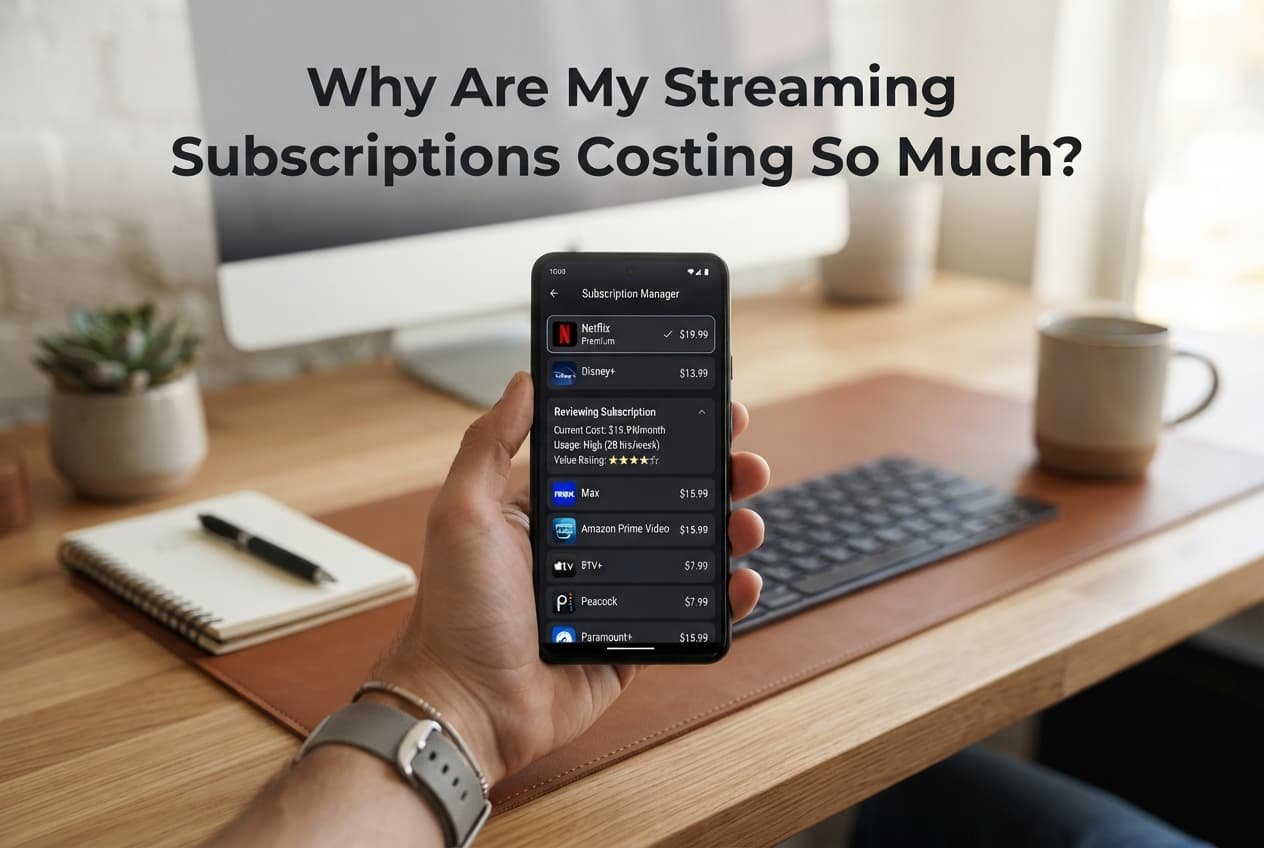
Streaming subscriptions creeping up to cost considerably more than expected usually isn’t a single mysterious price increase – it’s typically one of a small number of specific, checkable patterns, each requiring a genuinely different response. Understanding which pattern applies to your specific situation determines whether the fix takes minutes or requires a more considered review of your actual viewing habits.
What is actually happening
Unexpectedly high streaming costs typically stem from a combination of accumulated subscriptions you signed up for individually over time, gradual price increases on services you’ve held for a while, and subscriptions you’re genuinely still paying for despite rarely or never actually using them. Any one of these factors alone might not feel significant, but their combined effect over time is precisely what produces a total that feels considerably higher than you expected.
This matters because “my streaming costs too much” often gets treated as requiring one universal fix, when the actual cause is frequently this specific combination of factors, meaning addressing only one – cancelling a single unused service, for instance – may not fully resolve the broader cost creep on its own.
Confirm which pattern you have
Check specifically how many separate streaming services you’re currently subscribed to across your different payment methods, since subscriptions added individually over time are easy to lose track of collectively, even when each individual addition felt reasonable at the time.
Check whether any of your current subscriptions have had a price increase since you first signed up, since gradual price increases on services you’ve held for a while are easy to miss when they happen incrementally rather than all at once.
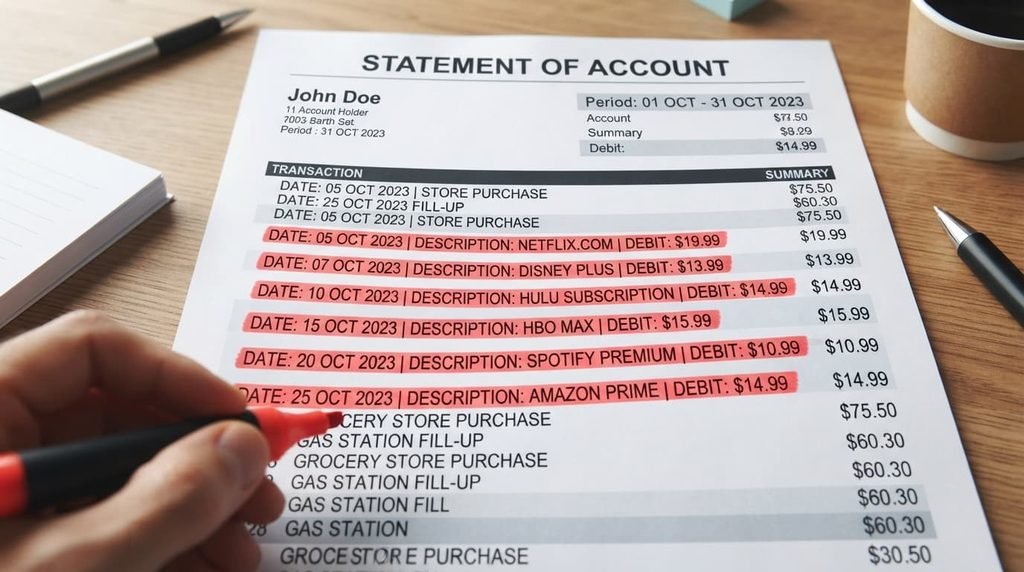
The causes, diagnosed
“I have more streaming subscriptions active than I actually realised until I actually counted them.” This points to accumulated subscription creep, where individual signups over time add up to a total you hadn’t consciously tracked collectively. The fix: review your actual bank or payment statements specifically for recurring streaming charges, rather than relying on memory alone, since this often reveals subscriptions you’d genuinely forgotten were still active.
“A service I’ve had for a while now costs noticeably more than when I first subscribed.” This points to a gradual price increase you may not have consciously registered as it happened incrementally over time. The fix: compare your current subscription price against what you remember paying initially, and decide deliberately whether the service still provides proportional value at its current price, rather than continuing to pay simply out of habit.
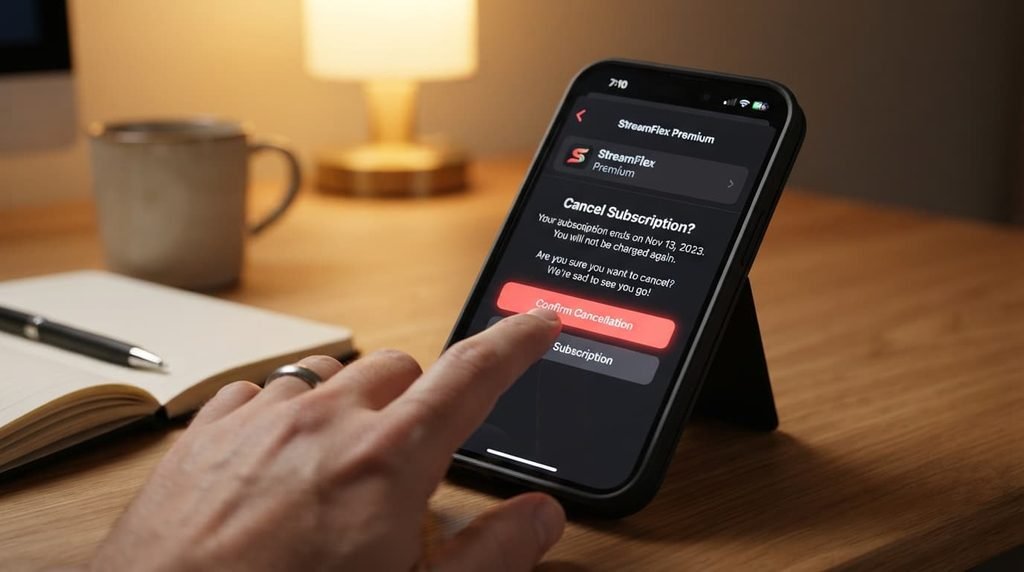
“I’m paying for at least one service I genuinely haven’t used in the last month or two.” This points to a subscription that’s continued charging despite no longer providing active value, often because cancelling requires more deliberate effort than the automatic renewal that keeps it running. The fix: cancel or pause any subscription you genuinely haven’t used recently, rather than keeping it active purely out of inertia or a vague sense you might use it again eventually.
“My household shares access to several streaming services with other people, but I’m still paying for my own additional subscriptions on top of that.” This points to potential overlap between shared access you already have and subscriptions you’re independently paying for, which can mean effectively duplicating coverage for similar content across multiple paid arrangements. The fix: review what content is genuinely already accessible through shared arrangements before maintaining separate, independent subscriptions for potentially overlapping services.
What people get wrong about subscription costs
The most common misconception is assuming each individual subscription’s monthly cost is too small to matter much on its own, when the actual issue is the cumulative total across several subscriptions considered together, not any single subscription’s price in isolation. A household reviewing subscriptions one at a time, judging each as individually reasonable, often misses the meaningfully larger combined total that emerges when all active subscriptions are actually added together.
A second common misconception is assuming once a subscription review has been done, the situation stays resolved indefinitely without needing to revisit it. Subscription creep and gradual price increases are ongoing processes, not one-time events, meaning a review that genuinely helps today can gradually become outdated again over subsequent months unless revisited periodically.
What isn’t worth doing
Cancelling every single streaming subscription simultaneously as a drastic reset, without first identifying which specific ones are actually causing the unexpected cost increase, isn’t worth the disruption it causes to services you’re genuinely still getting value from.
A blanket cancellation removes services you’re actually using alongside ones you’re not, requiring you to resubscribe to the genuinely valuable ones shortly afterward, which often costs more in cumulative effort and potential re-signup complications than simply identifying and addressing the specific underused or overpriced subscriptions directly.
When this points to something more systematic
If you find you’re subscribing to new streaming services specifically to watch one popular show or film, then letting the subscription lapse briefly before repeating this pattern with another service later, this points toward a specific habit worth addressing directly rather than a general subscription creep problem.
This matters because this particular pattern, while technically involving lower total simultaneous subscriptions, can actually cost more over a year than maintaining fewer, more consistently used subscriptions would, due to the cumulative effect of repeated sign-up periods.

How to prevent this from recurring
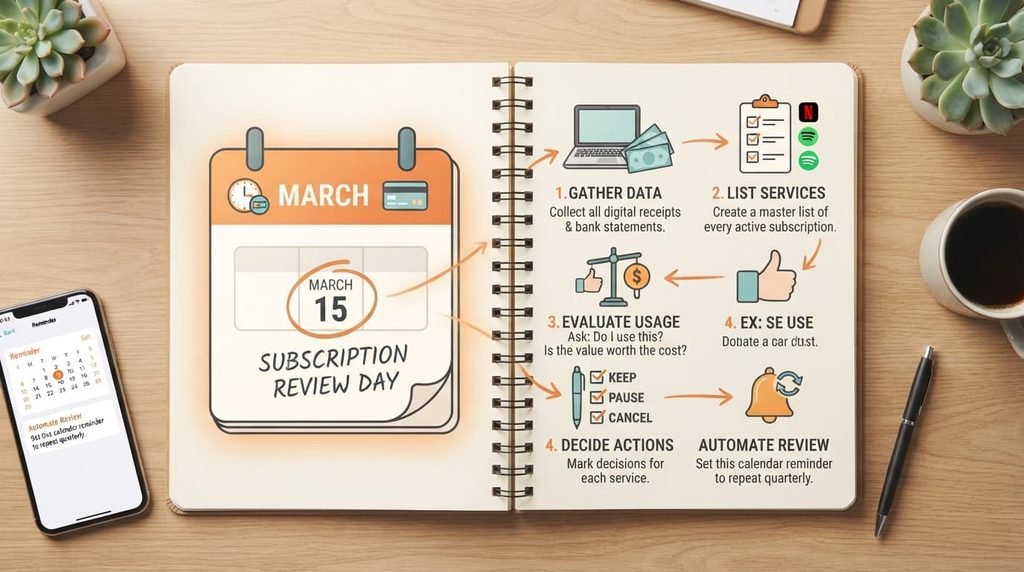
Set a recurring personal reminder to review your actual subscription list periodically, rather than only addressing it once when costs feel noticeably too high, since this ongoing habit catches accumulated creep and forgotten subscriptions before they compound into a considerably larger total.
Consider reviewing subscriptions specifically around any point where your viewing habits genuinely change – moving, a change in available free time, a shift in what content you’re actually interested in – since these transition points are when previously valuable subscriptions are most likely to quietly become genuinely unused ones.
Questions readers keep asking
How many streaming subscriptions does the average household typically have without realising it?
This varies considerably by household, but accumulated subscription creep is common enough that a genuine review often reveals more active subscriptions than people initially estimate from memory alone, which is precisely why checking actual payment records specifically matters more than relying on recollection.
Is it worth using a subscription tracking app or tool to manage this?
This can genuinely help specifically if you find manually reviewing statements difficult to sustain consistently, though the core habit – periodically and deliberately reviewing what you’re actually paying for – matters more than which specific method you use to do it.
Does bundling multiple streaming services together genuinely save money compared to subscribing separately?
Often yes, if the bundled services genuinely match what you’d actually use anyway – though it’s worth confirming the bundle’s total content genuinely aligns with your actual viewing habits, rather than assuming any bundle automatically represents savings regardless of whether you’d use every included service.
Should I cancel a subscription immediately once I realise I’m not using it, or wait until the billing cycle ends?
Checking your specific service’s cancellation policy is worth doing first, since some services let you cancel immediately while retaining access until the current paid period ends, which avoids losing money you’ve already paid for that cycle while still stopping future charges.