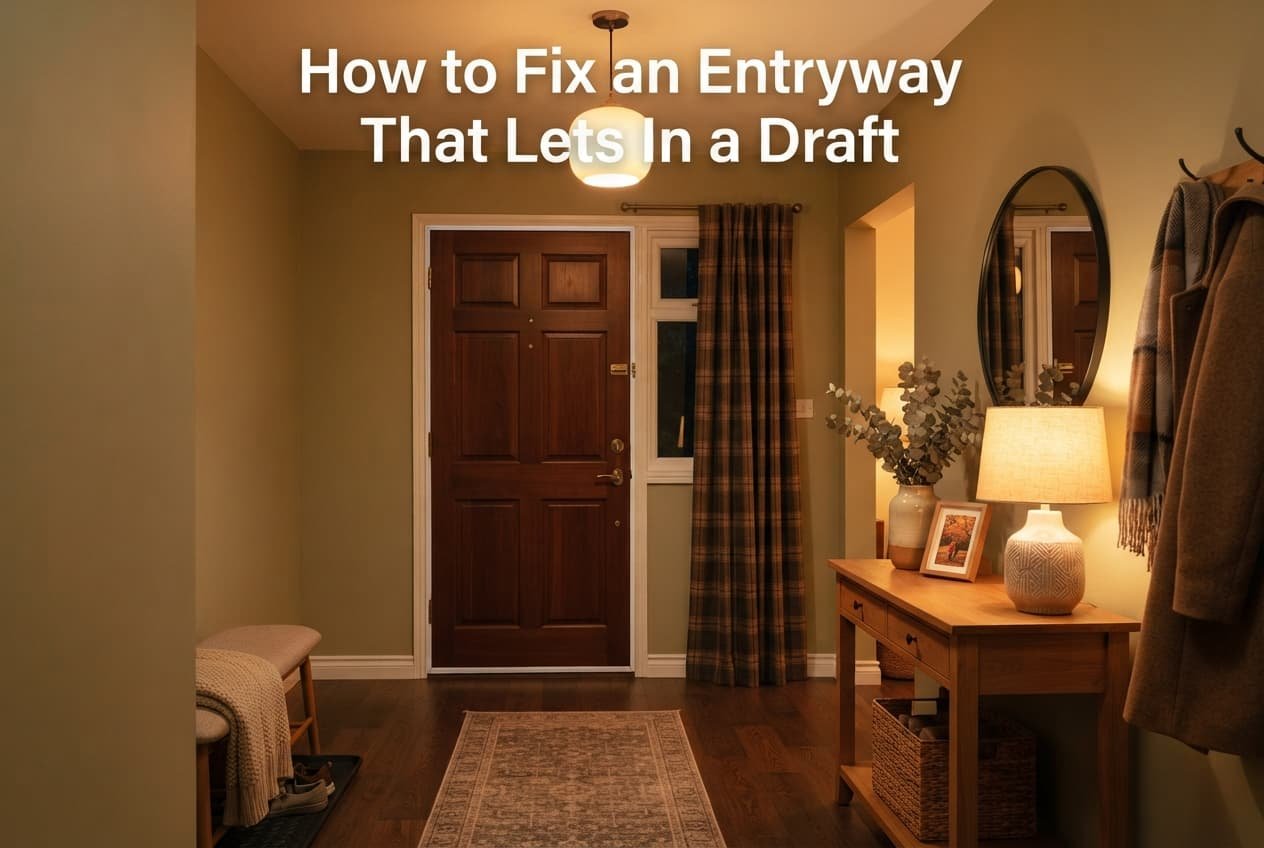
An entryway that genuinely lets in a persistent draft usually isn’t a space with no possible fix – it’s a space where specific, addressable gaps are allowing outside air to enter, which is a fundamentally different problem than simply having a door in an inherently poor location. Understanding which specific gap is actually driving the draft determines whether the fix is simple and immediate, or genuinely requires a more substantial change.
What is actually happening
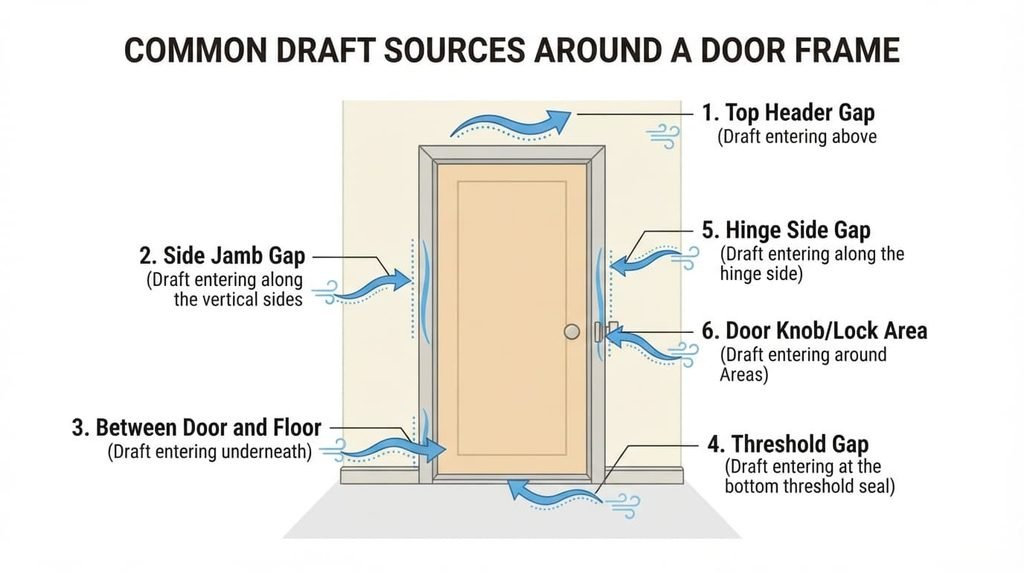
A drafty entryway typically stems from a combination of gaps around the door frame itself, worn or missing weatherstripping, and gaps beneath the door where it meets the threshold. Any one of these specific gaps alone might allow only a modest amount of air through, but their combined effect is precisely what produces a draft that feels considerably more significant than any single gap would suggest.
This matters because “the entryway is drafty” often gets treated as an unavoidable property of having an exterior door at all, when the actual issue is frequently this specific combination of addressable gaps, meaning a fix addressing only one – a door snake at the bottom, for instance – may not fully resolve a genuine draft coming from multiple sources simultaneously.
Confirm which pattern you have
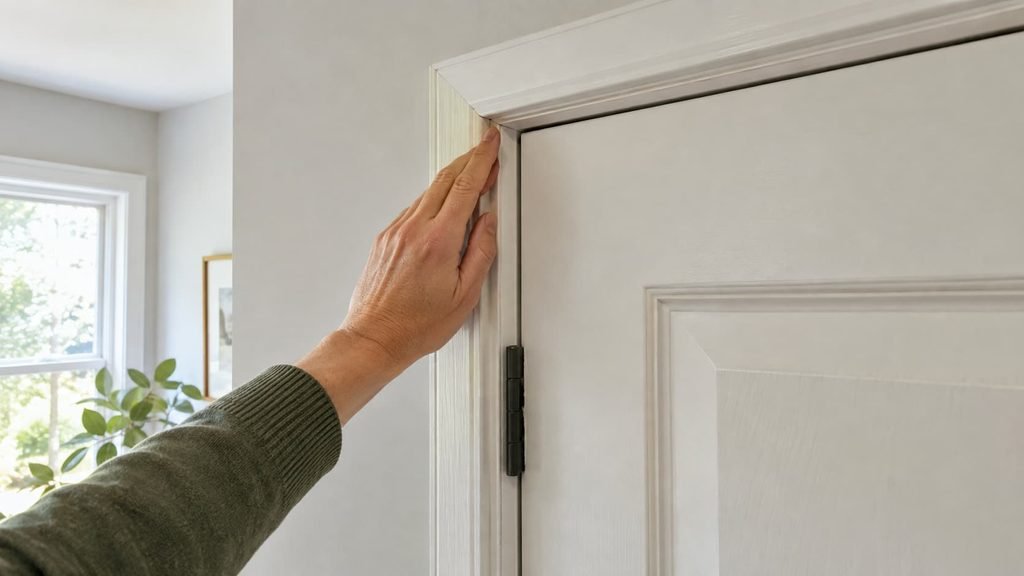
Check specifically around the door frame’s edges with your hand on a windy day, feeling for air movement at different points – top, sides, bottom – since this helps identify which specific gaps are actually contributing rather than assuming the draft comes from one obvious source alone.
Check your door’s existing weatherstripping condition specifically, since weatherstripping genuinely degrades over time, and stripping that looks intact from a distance can still have lost the flexibility needed to form a genuine seal.
The fixes, in order of cost
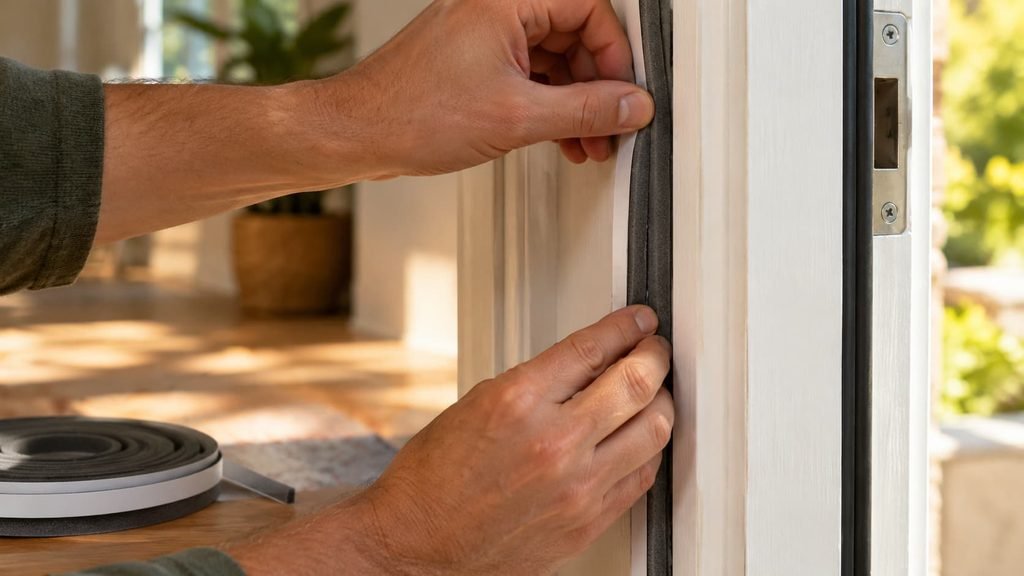
1. Replace worn or missing weatherstripping around the door frame. This costs relatively little and directly addresses one of the most common sources of entryway drafts, since degraded weatherstripping specifically loses its ability to form a genuine seal against the door frame over time.
2. Add or replace a door sweep at the threshold specifically, addressing the gap beneath the door itself. This is a modest addition to the total cost but directly addresses a gap weatherstripping around the frame alone doesn’t cover, since the threshold gap is a genuinely separate location from the frame’s edges.
3. Apply draft-sealing caulk around the exterior door frame’s edges, where it meets the surrounding wall. This costs little beyond the material and effort involved and directly addresses gaps at the actual frame-to-wall junction, a source distinct from both weatherstripping and the threshold gap.
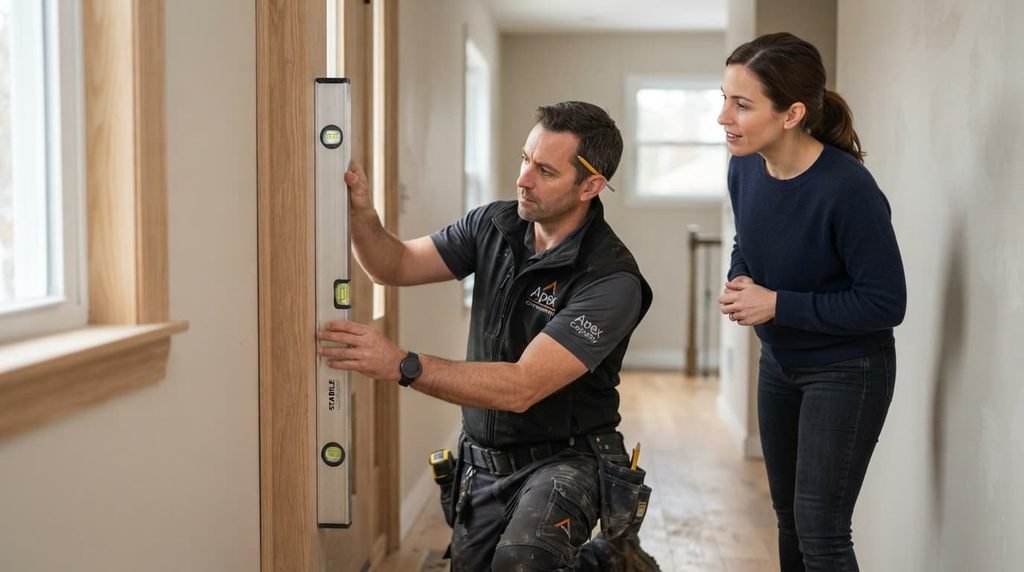
4. For a door that’s genuinely warped, misaligned, or a frame with structural gaps the fixes above don’t resolve, consult a licensed contractor about the door’s specific condition. This is a professional consultation, not a DIY project – a door with genuine structural or alignment issues needs proper assessment before further sealing attempts are likely to succeed.
What isn’t worth doing
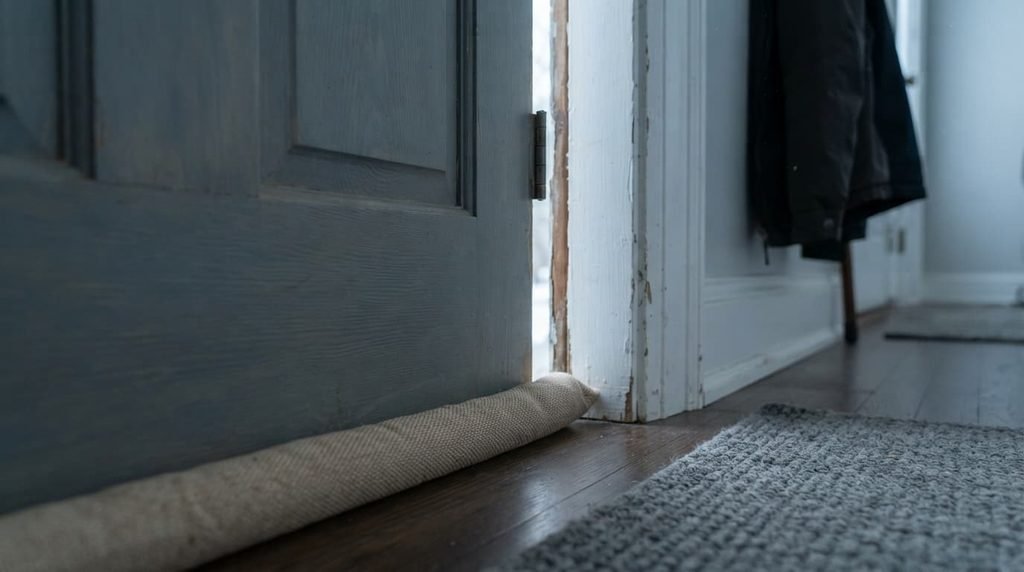
Relying entirely on a draft snake or fabric draft stopper as your complete solution, without addressing the actual gaps in weatherstripping, the threshold, or the frame itself, isn’t worth doing as a complete fix on its own.
A draft stopper addresses only the gap directly beneath the door where it’s placed, but doesn’t address gaps around the frame’s sides and top, meaning a household relying purely on this approach often continues experiencing a meaningful draft from the sources it doesn’t cover at all.
Letterbox or mail slot gaps also compound this problem specifically if your entryway includes one, since these openings can allow a surprising amount of draft through even when the door itself is well-sealed elsewhere. A simple internal flap or brush seal specifically for this opening addresses a source that’s easy to overlook when focusing purely on the door frame and threshold.
What people get wrong about fixing this
The most common mistake is assuming a drafty entryway is simply an unavoidable consequence of having an exterior door, when the actual cause is frequently a specific, addressable combination of gaps rather than something inherent to exterior doors generally. Two similar doors in similar homes can vary considerably in draft specifically because of these addressable differences in weatherstripping condition and sealing, not because exterior doors themselves are inherently draft-prone.
A second common mistake is addressing only the most obvious gap – typically the bottom of the door – while overlooking less visible gaps around the frame’s sides and top that can contribute just as meaningfully to the overall draft. Checking all the way around the door’s full perimeter, not just the most noticeable location, produces a considerably more complete fix than addressing only the first gap you happen to notice.
What changes if your situation is different
If your entryway’s draft is genuinely limited to specific weather conditions – strong wind from one particular direction – rather than a persistent everyday issue, prioritise a simpler, targeted fix addressing the specific gap most exposed to that condition, over a more substantial full-door change.
If you’re renting and structural door changes genuinely aren’t available to you, the weatherstripping and door sweep fixes become your practical ceiling, and a genuinely well-chosen combination of these can meaningfully address most drafts without requiring any structural change to the door itself.
The one thing to check before you commit
If you’re pursuing the licensed contractor option specifically, confirm with them whether your door’s actual condition suggests a repair is sufficient or whether genuine replacement is the more sensible long-term solution, since this determines both feasibility and cost in ways that aren’t visible from simply assessing the draft itself.
This matters more for this specific option than for the other fixes above, since those remaining fixes are all fully reversible, low-cost, and require no professional assessment at all, while a structural door issue carries genuine cost and complexity worth confirming clearly before any further planning proceeds.
Questions readers keep asking
How do I know if weatherstripping needs replacing, or if it’s still functioning fine?
Checking whether it still feels genuinely pliable and springs back after being pressed, rather than feeling brittle or permanently compressed, is a reasonable way to assess this directly – weatherstripping that’s lost this flexibility has typically lost much of its actual sealing function too.
Is caulk safe to use around a door I still need to open and close regularly?
Yes, when applied correctly specifically to the frame-to-wall junction rather than to the door’s actual moving parts or hinges, caulk doesn’t interfere with normal door operation, since it’s sealing a genuinely fixed gap rather than anything involved in the door’s movement.
Can draft issues genuinely affect heating costs meaningfully, or is this exaggerated?
Genuinely, yes – persistent draft sources can meaningfully affect how hard your heating system works to maintain comfortable temperature, so addressing entryway drafts specifically often provides a practical benefit beyond simple comfort, though the exact degree varies by your home’s overall size and how significant the specific draft actually is.
When is it worth considering a full door replacement instead of the simpler fixes?
If you’ve genuinely tried weatherstripping, a door sweep, and caulking, and the draft persists significantly, or if the door itself shows visible warping or misalignment, that’s the point worth consulting a licensed contractor about replacement, rather than continuing to apply the simpler fixes to a door with a more fundamental underlying issue.