Low-profile furniture keeps returning to popularity for a reason grounded in measurable room proportion, not seasonal taste alone – and understanding that specific reason tells you whether it’s genuinely worth adopting or just the current version of a cycle that will eventually pass.
What actually changed
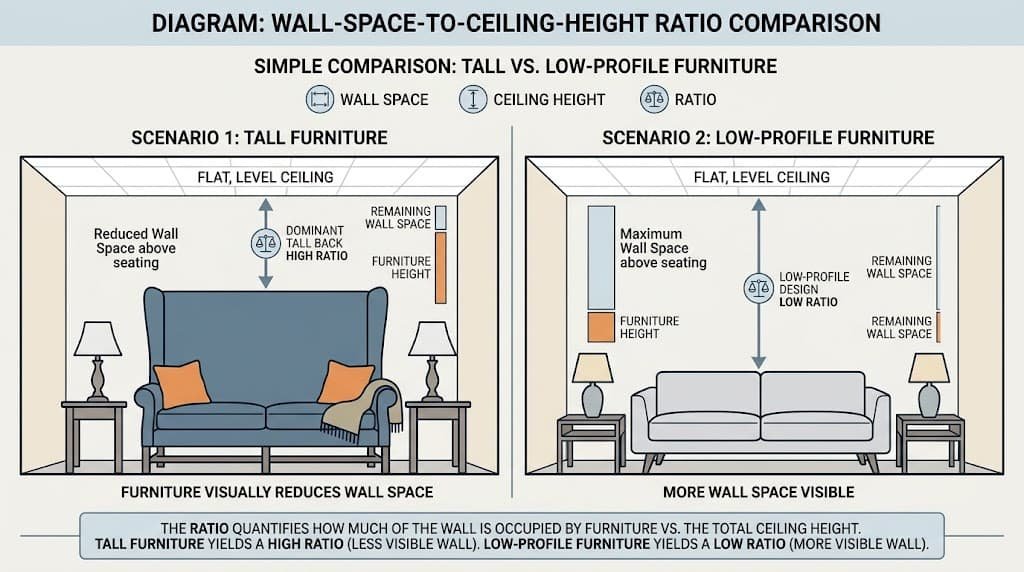
The measurable shift is seat height and overall furniture silhouette height dropping relative to typical ceiling height, particularly in sofas and armchairs. Where a conventional sofa back might sit at a height that visually divides a room’s wall space roughly in half, a low-profile equivalent sits meaningfully lower, leaving a larger uninterrupted expanse of visible wall above it.
This isn’t purely aesthetic preference – it’s a direct proportion change with a measurable effect on how a small room’s vertical space reads to the eye, which is why the shift keeps recurring across different style eras rather than being tied to one particular decorating trend.
Legs and base construction have shifted alongside seat height specifically, with visible tapered or slim legs becoming more common than the boxier, floor-skimming bases that were previously standard. This compounds the same proportion mechanism further – visible negative space beneath a piece adds to the sense of openness in exactly the same way visible wall space above it does, since both increase the total proportion of the room the eye reads as genuinely unoccupied.
Why it keeps coming back specifically now
Average ceiling heights in newer housing have generally not increased to match earlier eras, while furniture designed for larger, higher-ceilinged rooms became widely available through mass retail regardless of the room it was actually being placed in. Low-profile furniture directly addresses this specific mismatch – a lower silhouette leaves proportionally more visible wall and ceiling space in a room where ceiling height was never generous to begin with.
For most of the last decade, this proportion mismatch has been increasingly common in newer small apartments and starter homes specifically, which is a concrete structural reason low-profile furniture’s popularity tracks housing stock trends rather than purely following runway or showroom influence.
This distinguishes the current cycle from earlier low-profile furniture periods, which were often driven primarily by a particular design movement’s aesthetic preferences rather than by a structural housing constraint. The underlying mechanism remains exactly the same regardless of cause, but a trend genuinely driven by an actual physical constraint tends to persist considerably longer than one driven purely by a design movement’s popularity, since the constraint itself doesn’t simply disappear once the associated aesthetic eventually falls out of favour.
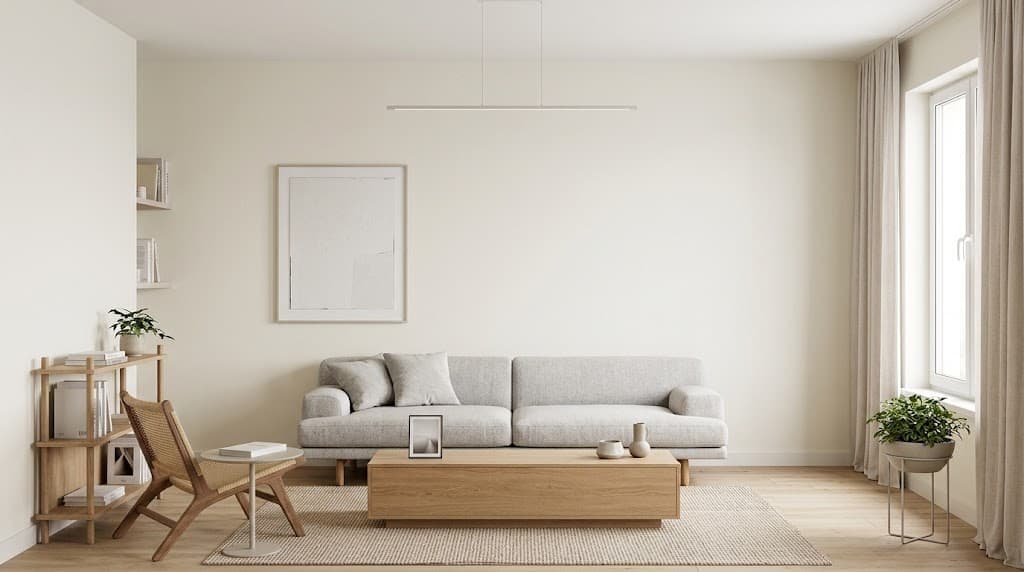
What this actually changes in a room
A lower sofa or chair silhouette increases the proportion of visible wall space above the furniture line, which is the specific measurable mechanism behind rooms “feeling” taller or more open with low-profile pieces installed. This isn’t a subjective impression – it’s the direct optical result of more uninterrupted vertical wall surface being visible from typical eye level while seated or standing in the room.
Low seat height also genuinely changes the sightline dynamics within a small room specifically, since a lower silhouette allows the eye to travel freely over furniture toward the far wall rather than stopping abruptly at a taller piece’s edge – directly compounding with general small-room sightline principles rather than working independently of them.
Where this trend genuinely holds up
The proportion mechanism behind low-profile furniture’s effectiveness doesn’t depend on current taste, which is why it’s a reasonable long-term choice rather than a purely seasonal one. A room with genuinely quite limited ceiling height benefits from this proportion shift regardless of which particular decade’s aesthetic currently favours the look, since the underlying measurement – wall space visible above the furniture line – doesn’t change based on styling trends layered on top of it.
This is a genuinely different situation from most furniture trends specifically because the mechanism is measurable rather than purely stylistic. A trend based on colour or pattern shifts in and out of favour without changing anything structural about how a room functions; low-profile furniture’s core effect on wall-space proportion remains constant regardless of whether the broader aesthetic built around it happens to be currently fashionable.
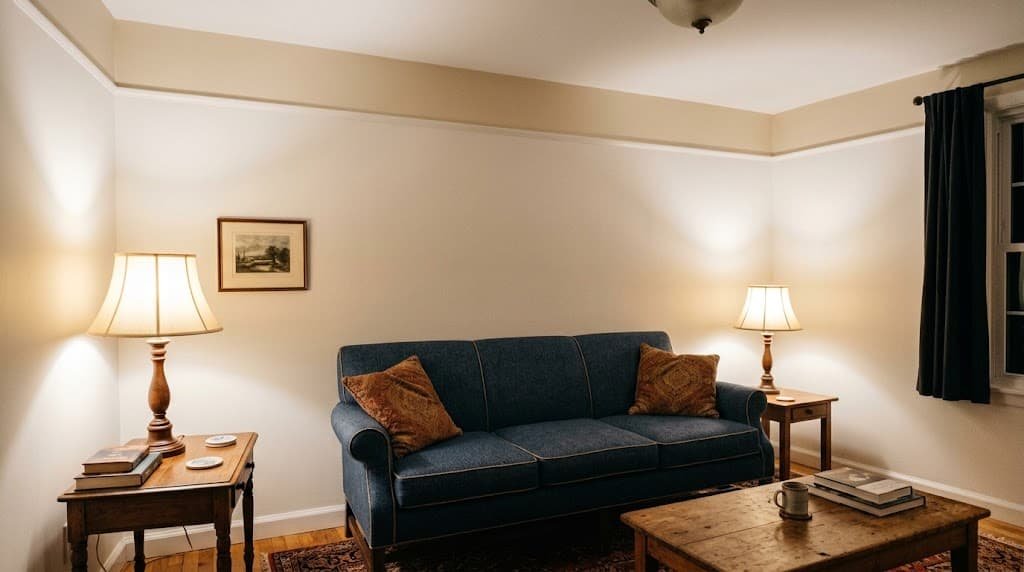
Where the verdict should stay negative
Low-profile furniture genuinely isn’t worth adopting in a room with already-generous ceiling height, despite how consistently it’s marketed as a universal small-space solution.
In a room where ceiling height was genuinely never the limiting proportion factor, dropping furniture silhouette height doesn’t meaningfully change how spacious the room actually reads, since the mechanism specifically addresses a wall-space-to-ceiling-height ratio that simply isn’t constrained in a taller room to begin with. Adopting the look purely for its current popularity, in a room where the underlying proportion problem doesn’t exist, spends money and effort on a change that won’t produce the effect people actually expect from it.
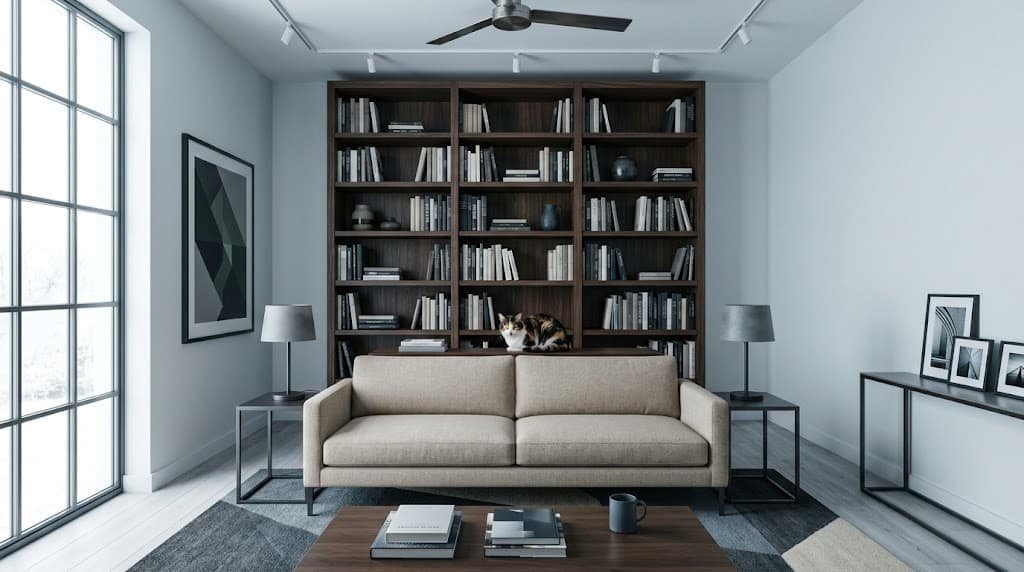
What people get wrong when adopting it
The most common mistake is adopting low-profile seating while leaving tall storage furniture – a bookshelf, a wardrobe, a tall cabinet – unchanged elsewhere in the same room. This partially undoes the proportion benefit, since a single tall piece can dominate the same wall-space ratio the low-profile seating was specifically meant to open up, regardless of how effectively the seating itself addresses the mechanism.
A second common mistake is choosing low-profile furniture purely by seat height alone while ignoring its overall visual bulk. A low but wide, heavy-looking piece can occupy nearly as much visual weight in a room as a taller but genuinely slimmer one, meaning the height reduction alone doesn’t guarantee the openness effect if the piece remains bulky in other dimensions that matter just as much to how the room actually reads to someone standing in it.
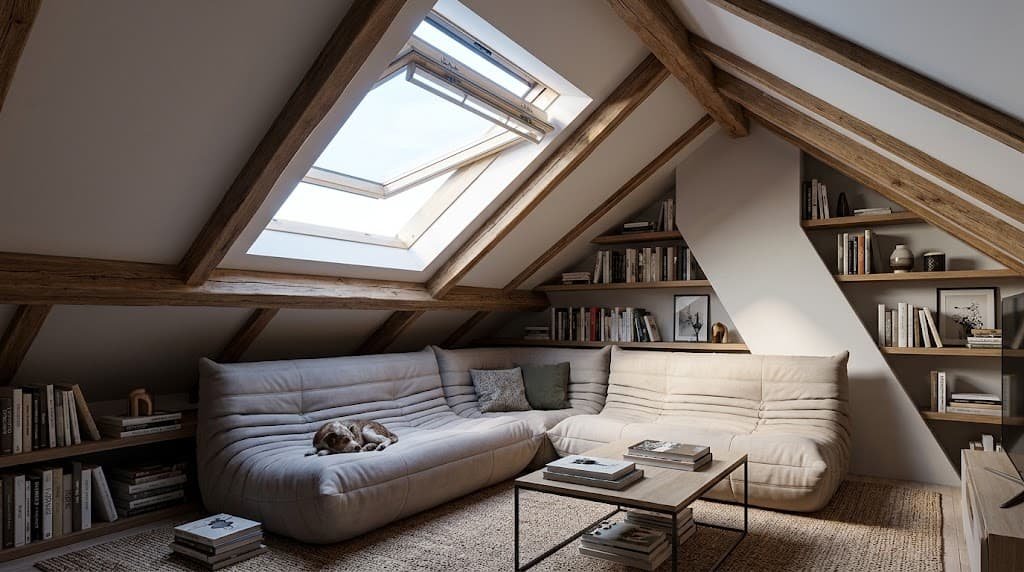
What changes if your situation is different
If your ceiling height is genuinely quite low – a converted attic space, an older building with historically lower ceilings throughout – the proportion mechanism behind low-profile furniture applies with even more force than in a standard-height small room, since the wall-space ratio being addressed is already considerably more constrained to begin with.
If you’re working with a room that has unusually tall, narrow proportions rather than simply limited square footage overall, the calculation genuinely shifts – a taller silhouette piece may actually balance the room’s proportions better than a low-profile one would, since the underlying wall-space mechanism works quite differently when height, not floor area, is genuinely the abundant dimension.
Questions readers keep asking
Does low-profile furniture actually make a room look bigger, or is that just marketing?
It’s a genuine, measurable optical effect specifically in rooms with limited ceiling height – more visible wall space above the furniture line genuinely does change how the room’s overall proportions read to the eye. It’s not effective marketing spin in a room where ceiling height was never the constraining factor to begin with.
Is low-profile furniture just a temporary trend that will look dated soon?
The underlying core proportion mechanism it addresses doesn’t depend on current taste at all, which suggests genuine longevity rather than a purely seasonal look – though specific styling details layered onto low-profile pieces can still date in the usual way any furniture styling eventually does.
Does low-profile furniture work in every small room, regardless of layout?
No – it specifically addresses rooms where ceiling height, not floor area alone, is the limiting proportion factor. A small room with already-generous ceiling height won’t see the same effect, since the mechanism responds to a wall-space ratio that isn’t constrained in that scenario.
Do I need to replace every piece of furniture in a room to see this effect?
No – the seating pieces that occupy the most wall-facing visual bulk matter most, typically the sofa and any large armchairs. Smaller items like side tables and lamps have comparatively little real effect on the wall-space ratio this mechanism actually depends on, so prioritising the largest pieces first genuinely delivers most of the available benefit without requiring a complete room overhaul entirely.

