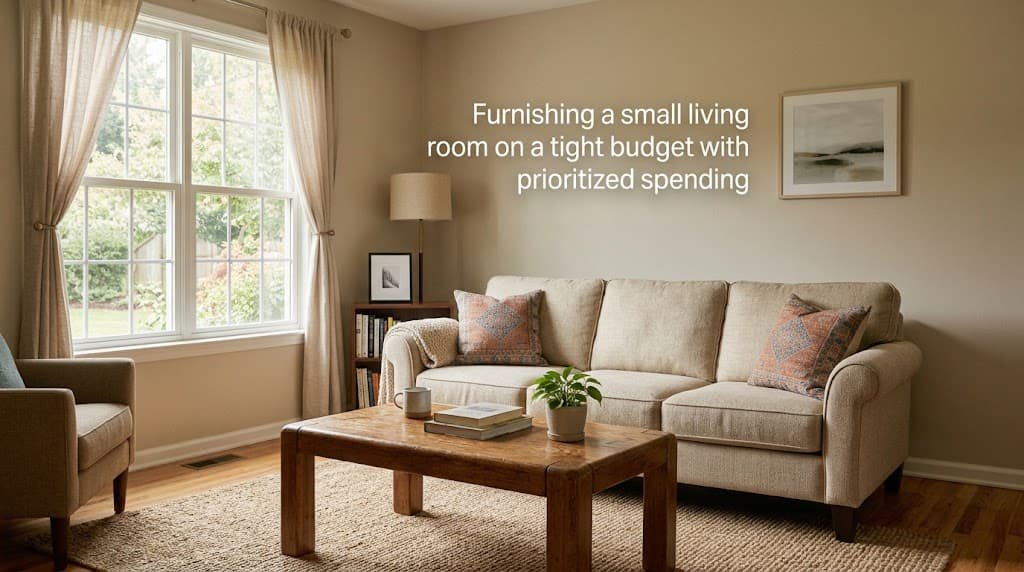
Furnishing a small living room on a genuinely tight budget isn’t about finding the cheapest version of every single item – it’s about identifying which single piece genuinely deserves most of your budget, and which pieces can be genuinely basic without anyone noticing the difference in daily use.
What actually decides this
The deciding factor is construction quality on the pieces you touch and sit on daily, versus purely visual pieces that carry no functional load. A sofa or dining chair experiences real physical stress every day – joints flex, cushions compress, fabric wears – while a side table or a picture frame experiences almost none of that stress regardless of how much it costs.
This single distinction should guide nearly every purchase decision below: spend where daily physical use genuinely justifies it, and treat everything else as a place to save without meaningful compromise.
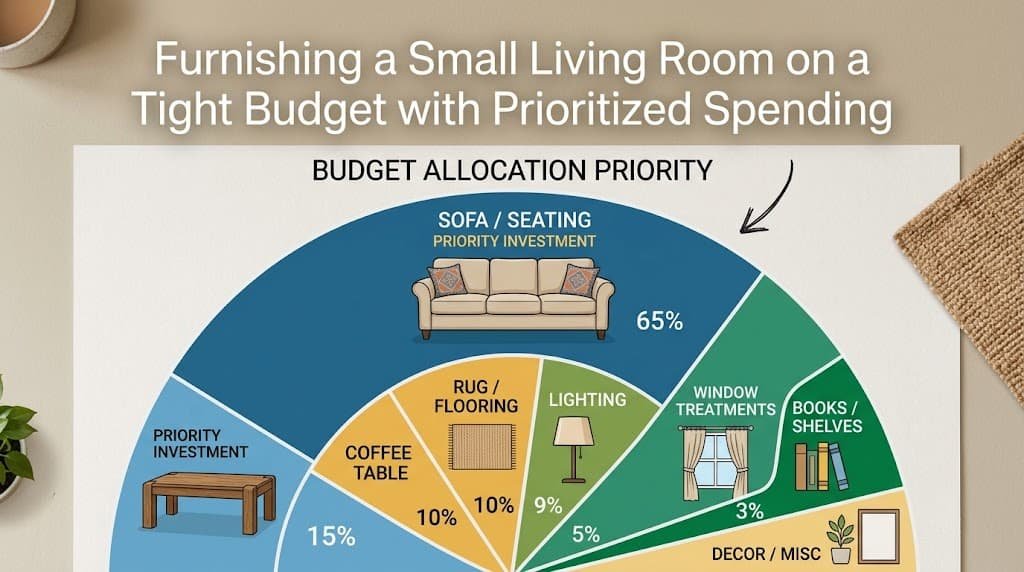
This isn’t the same as simply spending more overall – it’s about redirecting the same total spend toward the categories where quality actually shows up in daily experience, and away from categories where it doesn’t. A room furnished entirely with mid-tier everything often costs a similar total to one furnished with a genuinely well-built sofa and modest everything else, but the second approach delivers noticeably more comfort where it actually matters day to day.
What to prioritise, in order
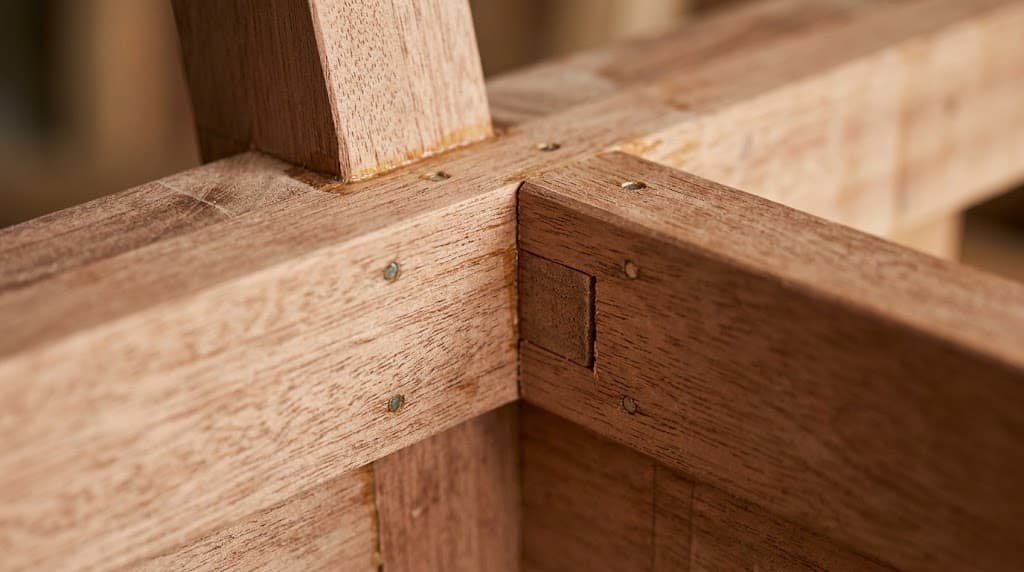
1. The primary seating. Whatever gets sat on daily – typically a sofa or the main chair – deserves the largest single outlay in this list, because construction quality here directly determines how the piece feels and holds up over years of actual use. Look specifically for a kiln-dried hardwood frame rather than particleboard or softwood, and dowelled or mortise-and-tenon joints rather than stapled construction, since these details predict longevity far more reliably than cushion thickness or fabric pattern.
2. A genuinely comfortable reading or work chair, if you use the room for either. This is the second-largest justified outlay, specifically because sustained sitting for reading or working exposes construction flaws that brief casual sitting doesn’t reveal – a frame that feels fine for ten minutes can feel genuinely uncomfortable after an hour.
3. Adequate lighting for the room’s actual use, not decorative lighting. A single overhead fixture rarely provides enough usable light for reading or close work; a floor or table lamp positioned near where you’ll actually use it is a modest addition to the total budget but meaningfully changes how usable the room feels day to day, independent of anything else in the room.
4. A coffee table or side table with genuine surface durability. This sits in the middle of the priority list because it experiences moderate daily use – drinks, laptops, feet occasionally – without the sustained structural stress seating experiences. A durable laminate or sealed wood surface here costs meaningfully less than an equivalent solid wood piece while handling daily use just as well.
5. Purely decorative pieces – art, decorative objects, accent pillows. These belong last specifically because they carry zero functional load; a cheaper option performs identically to an expensive one in terms of actual daily function, which makes this the easiest category to genuinely economise on without any real trade-off.
Where secondhand genuinely makes sense
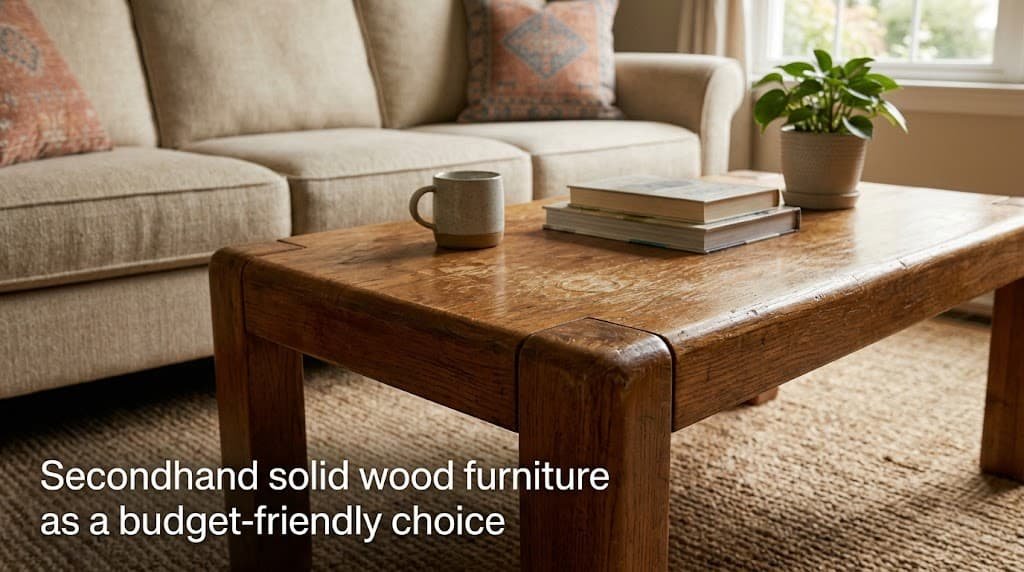
Solid wood furniture – a coffee table, a bookshelf, a dining chair – is one of the strongest candidates for buying secondhand specifically, because well-built solid wood pieces from decades ago were often constructed to a standard that’s genuinely difficult to find in new furniture at an equivalent outlay today. The construction methods that made these pieces durable originally haven’t changed with age, unlike upholstered seating where cushion foam and fabric do degrade meaningfully over years of use even in well-built frames.
Upholstered seating is the weaker candidate for buying secondhand, for the opposite reason: even a well-constructed frame typically needs reupholstering after years of use, and the cost of professional reupholstering on a secondhand piece often approaches or exceeds what a comparable new piece would have cost, eliminating much of the apparent saving.
What doesn’t matter as much as it’s made out to
Matching furniture sets are oversold, and they’re one of the first things budget guides recommend buying as a set for supposed savings. A matched three-piece set often costs more in total than assembling equivalent-quality individual pieces separately, because the set pricing assumes you want and will use every included piece, when a small living room frequently doesn’t have room for all of them anyway.
Fabric pattern and cushion firmness get far more attention than they deserve relative to frame construction. A visually striking fabric on a poorly built frame still fails within a year or two regardless of how the cushions feel on day one; a well-built frame with plain, inexpensive fabric can be reupholstered later far more easily than a poorly built frame can be structurally repaired.
Matching the choice to your situation
If you’re furnishing an entire small living room from scratch with no existing pieces, prioritise the seating and lighting categories first and treat everything else as genuinely optional for the first few months – an empty side table costs you nothing functionally, while inadequate seating or lighting affects daily comfort immediately.
If you’re replacing just one or two worn pieces rather than furnishing an entire room, the same construction-quality priority applies, but you can afford to be more selective within the seating category specifically, since the rest of your existing furniture doesn’t need to be reconsidered at the same time.
What to walk away from
Any piece of seating furniture where you cannot physically inspect the frame construction before buying – through an open panel, a manufacturer’s construction specification, or a return policy generous enough to test it at home – should end your interest immediately, regardless of how genuinely favourable the price seems.
Frame construction is genuinely difficult to assess from photographs or a brief showroom sit, and a poor frame is the single most expensive mistake to make in this category, since it typically means replacing the entire piece within a year or two rather than the small savings the initial purchase seemed to offer.
The check before you commit
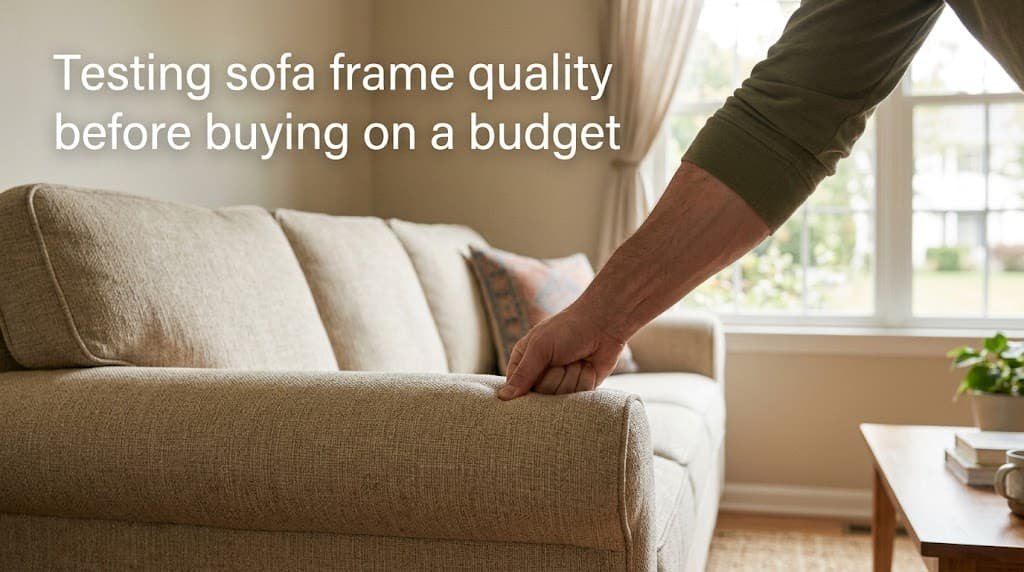
Before finalising any seating purchase, physically press down firmly on one arm of the piece while it’s unoccupied and feel for excessive give or a hollow, flexing sensation, rather than relying on how it feels simply sitting on it normally.
This single check reveals frame quality more reliably than cushion comfort does, since a well-built frame resists this kind of directional pressure regardless of cushion softness, while a poorly built frame flexes noticeably even when the cushions themselves feel perfectly comfortable in normal use.
This check matters more in a small living room specifically than it might in a larger space, since a small room typically holds fewer seating pieces overall – a single poor purchase represents a larger share of the room’s total seating capacity, and replacing it sooner than expected costs more than getting the initial choice right the first time would have.
Questions readers keep asking
What’s the single most important purchase when furnishing a small living room on a tight budget?
The primary seating piece – whatever gets sat on daily – deserves the largest share of your budget, since construction quality here directly affects both comfort and how long the piece lasts under genuine daily use.
Is it worth buying a matching furniture set to save money?
Not necessarily – matched sets often cost more in total than assembling equivalent-quality individual pieces, particularly in a small room that may not have space to use every piece included in the set anyway.
How can I tell if a sofa frame is well-built before buying it?
Press firmly on an unoccupied arm and feel for excessive flex or a hollow sensation. A well-built frame resists this kind of pressure regardless of how the cushions feel, while a poorly built one flexes noticeably even with comfortable cushions.

