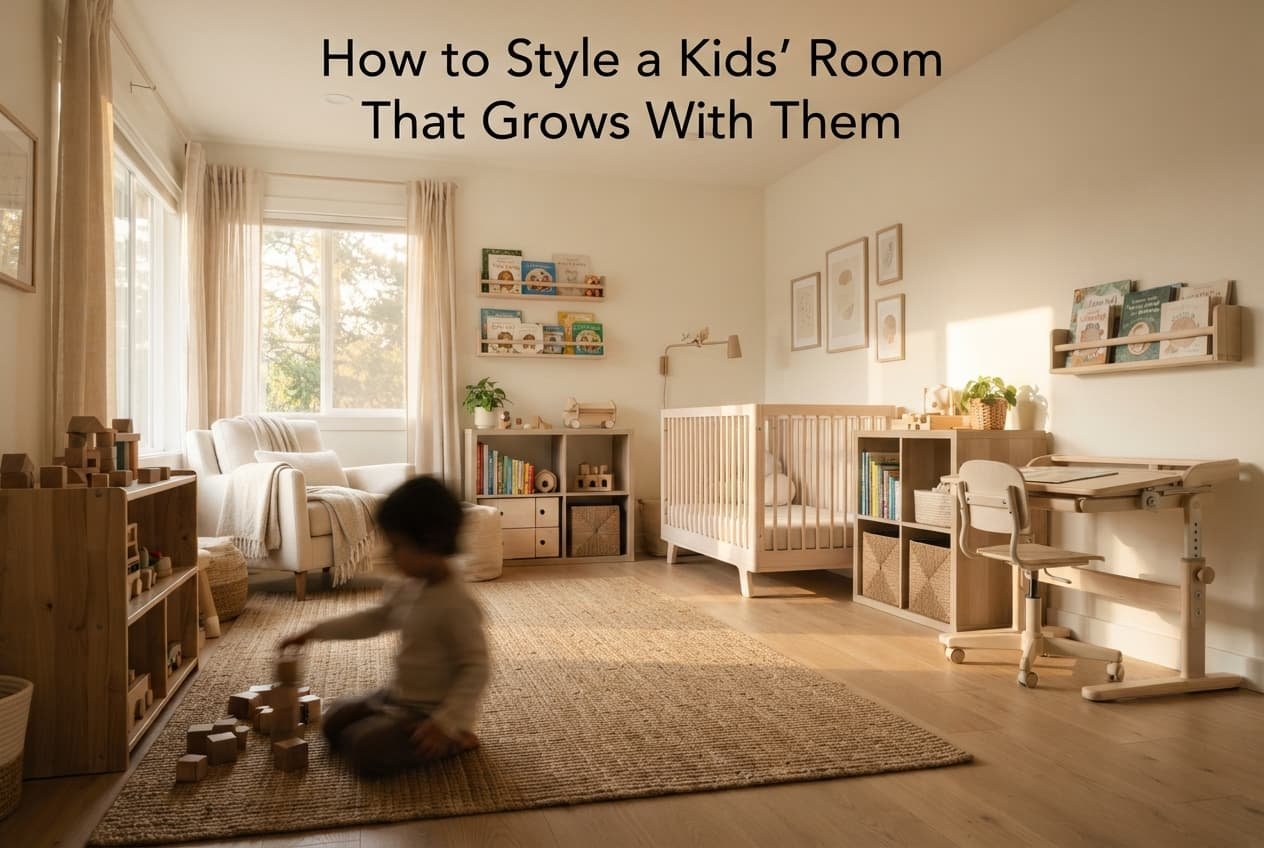
A kids’ room styled entirely around one specific current age or interest often genuinely needs a complete, costly overhaul within just a year or two, once that particular phase genuinely and naturally passes. Styling a kids’ room to actually grow with a child means prioritising the specific elements that can adapt over time, with age-specific decoration layered on top of that adaptable foundation rather than forming the room’s entire identity.
The one decision that shapes this room
The deciding factor is whether the room’s core furniture and colour foundation is genuinely adaptable to changing needs, not simply how charming or age-appropriate it looks for the child’s current stage. A room built around furniture and colours that can genuinely serve a toddler and later a pre-teen avoids the need for a full replacement, while a room built entirely around a specific current interest – a particular character, a very young child’s aesthetic – requires that costly overhaul once the phase genuinely passes.
This single distinction – adaptable foundation versus age-locked theming – should guide nearly every choice below, more than any specific current trend or character preference.
Getting the foundation genuinely adaptable
Choose furniture sized and specifically styled to genuinely serve multiple developmental stages over time, rather than furniture scaled specifically and only for a very young child, since furniture that must be entirely replaced as a child grows costs considerably more over time than furniture chosen with this longer view from the start.
Select a genuinely neutral or easily adjustable base colour palette for the walls and larger surfaces specifically, since repainting an entire room is a meaningfully bigger undertaking than swapping smaller decorative elements, making the wall colour itself worth choosing for longevity rather than a passing specific interest.
Layering in personality without locking in a single phase
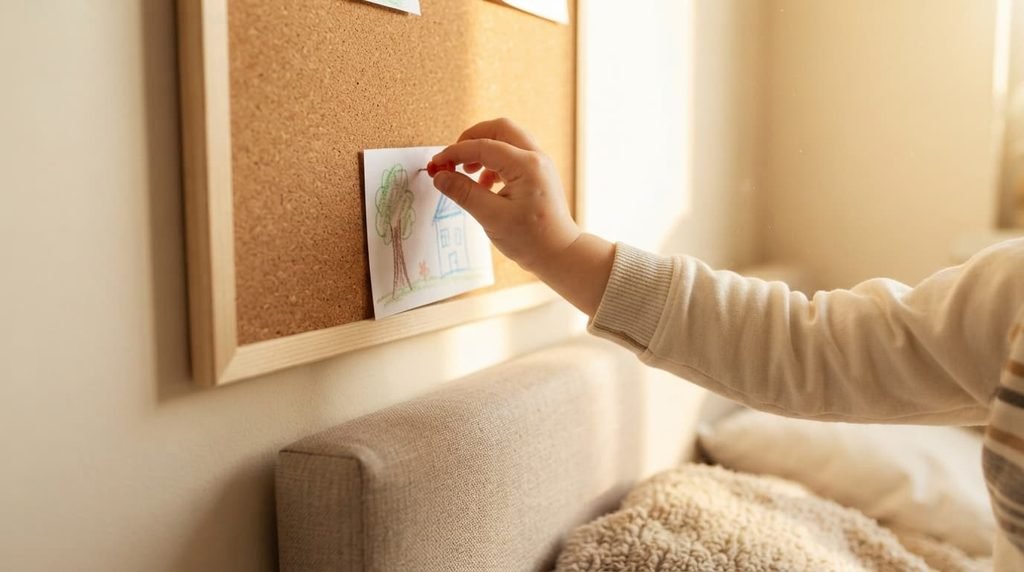
Introduce your child’s current specific interests through easily replaceable elements – artwork, bedding, smaller decorative accents – rather than through permanent fixtures or wall treatments, since this lets genuine personality show through without requiring a full room overhaul once that particular interest naturally shifts.
Involve your child directly in choosing these easily replaceable elements specifically, since this gives them genuine ownership over the room’s personality within a framework that remains practical for you to update as their interests naturally continue evolving.
Choosing storage that genuinely scales
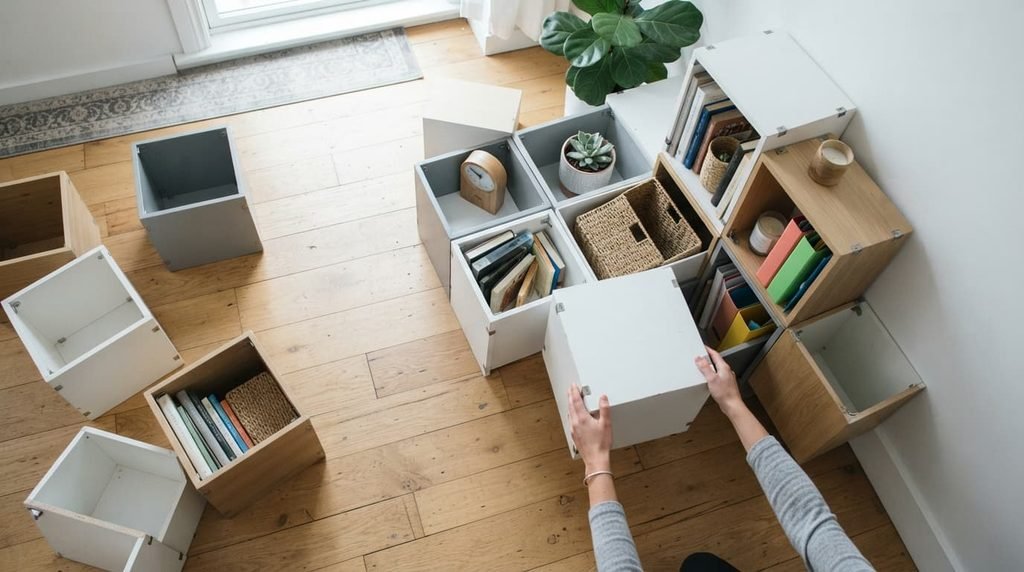
Prioritise storage with genuinely adjustable or modular components over fixed-height, single-purpose storage specifically, since storage that can be reconfigured as your child’s belongings and needs change over time avoids the same costly replacement cycle that age-locked furniture requires.
Choose storage bins or containers labelled by category rather than by a specific current interest, since generic categorical labelling remains genuinely useful regardless of which particular characters or themes your child is currently drawn to, unlike labelling tied to one passing interest specifically.
Lighting that adapts across bedtime routines and independent play
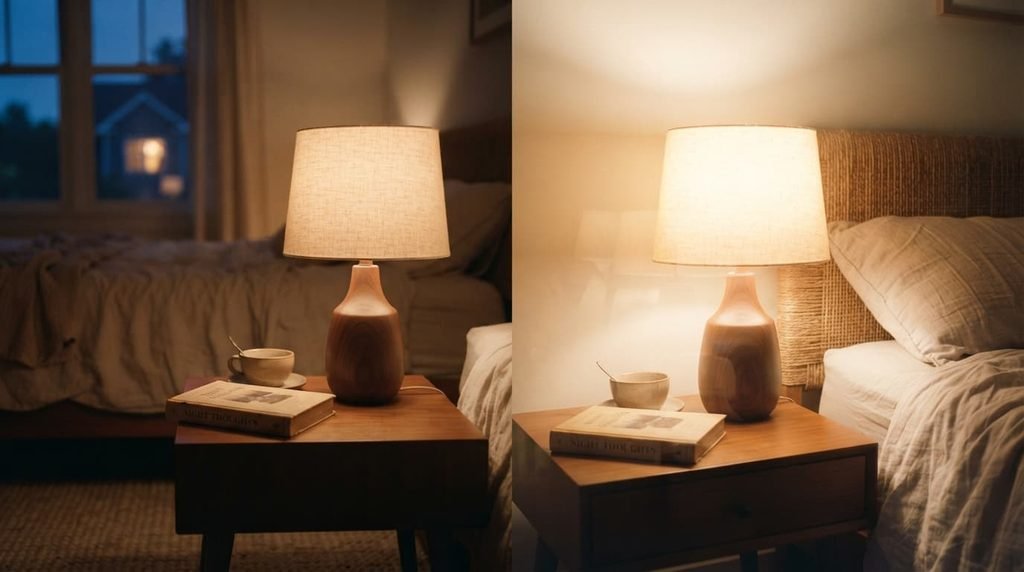
Include a genuinely dimmable or adjustable light source specifically, since a very young child’s bedtime routine and an older child’s independent evening reading or play have meaningfully different lighting needs, and a single fixed-brightness fixture genuinely struggles to serve both distinct stages equally well.
Position at least one genuine light source at a height and location a growing child can eventually reach and control themselves independently, since this specific detail supports a child’s increasing independence over time in a way a fixture only ever operable by an adult doesn’t.
What changes as safety needs evolve
Revisit furniture anchoring and genuine safety considerations specifically as your child grows, rather than assuming safety measures appropriate for one developmental stage remain sufficient indefinitely, since a very young, exploratory child and an older, more coordinated child genuinely have different safety-relevant behaviours worth accounting for as they change.
What isn’t worth prioritising here
An elaborate, permanently themed mural or built-in feature tied to one very specific current interest isn’t worth prioritising over the adaptable foundation above, despite how appealing this can seem for a beloved current phase.
A permanent, highly specific themed feature requires genuine removal or covering once that particular interest passes, which is often more disruptive and costly than simply not committing to something that specific and permanent from the start, regardless of how charming it seems during the current phase.
Matching the approach to your situation
If you’re furnishing a room for a very young child specifically, prioritise genuine safety considerations alongside the adaptable-foundation principle, since this particular age brings safety needs – secured furniture, appropriate materials – that matter more here than in a room for an older child.
If you’re working with a room that needs to accommodate siblings sharing the space, prioritise flexible, individually adjustable zones within the shared room over a single unified theme, since siblings at different ages or with different interests benefit from this flexibility more than a room designed around one consistent shared aesthetic would provide.
Considering how the room supports independence over time
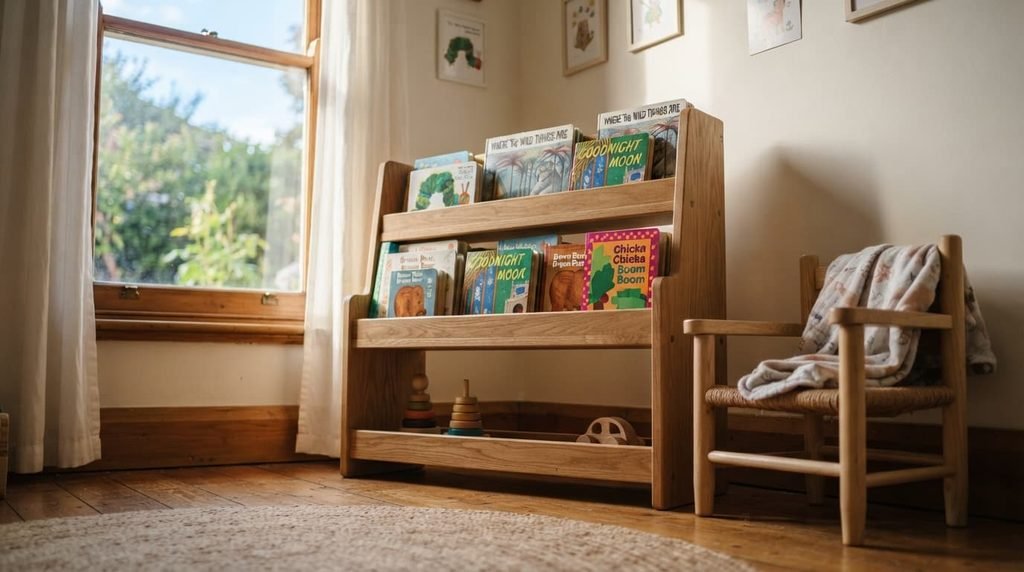
A designated, easily accessible spot for your child’s own daily items – clothing they choose themselves, books they select independently – supports genuinely growing independence in a way a room organised entirely around adult-only accessibility doesn’t. This particular detail matters increasingly as a child moves from needing help with nearly everything toward wanting to manage more of their own space and choices themselves.
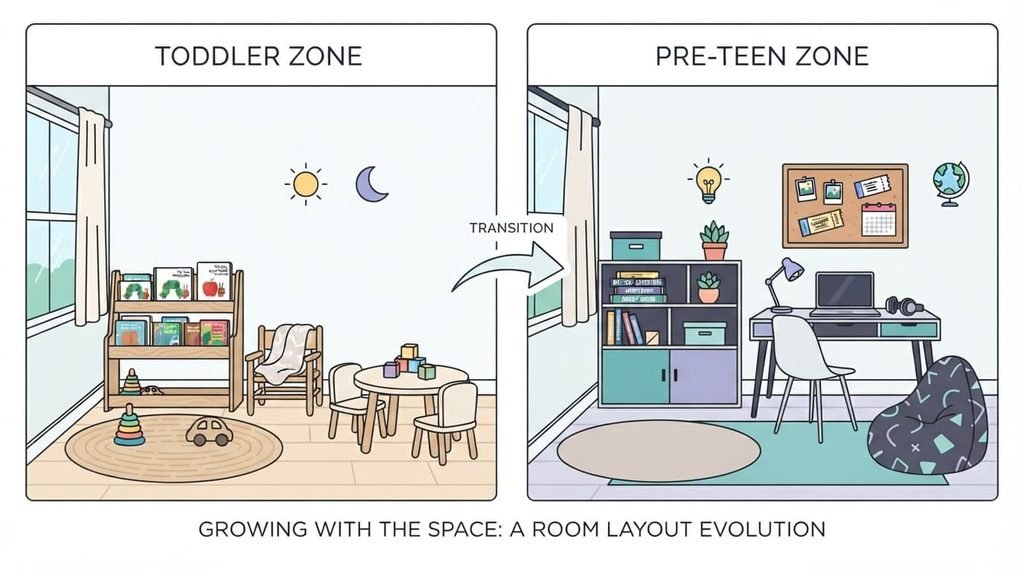
Consider a small, dedicated area within the room that can serve different specific purposes as your child grows – a play corner that later becomes a reading nook or a small desk area – rather than assuming the room’s zones are permanently fixed to their current specific function, since this same flexibility principle already applied to furniture and storage extends quite naturally to how the room’s actual layout can continue serving genuinely new purposes over time.
Questions readers keep asking
How often should a kids’ room genuinely be updated as they grow?
This varies by individual child, but focusing updates on the easily replaceable personality elements specifically, rather than the adaptable foundation, means genuine updates can happen as often as your child’s interests actually shift, without requiring a full room overhaul each time.
Is it worth spending more on furniture specifically because it needs to last longer?
Generally yes, within reason – furniture genuinely built to serve multiple developmental stages often justifies a higher initial cost through the years of use and the avoided cost of full replacement furniture would otherwise require as your child grows.
Is it worth buying furniture specifically marketed as “grows with your child” over standard furniture?
This can be worthwhile if the specific adjustable features genuinely match your actual needs – a bed frame that extends, shelving with movable components – though the same adaptable-foundation principle can often be achieved with well-chosen standard furniture too, so the “grows with your child” label itself isn’t automatically the deciding factor over genuine functional adaptability.
Should I let my child choose the room’s colours, or guide that decision myself?
A reasonable middle ground often works well – guiding the larger, harder-to-change elements like wall colour toward genuine longevity, while giving your child more direct choice over the easily replaceable personality elements that can change as their preferences naturally evolve over time.