A guest room that genuinely stays too cold usually isn’t a space with no possible fix at all – it’s a space where specific, addressable factors are combining to lose heat faster than other rooms in your home, which is a fundamentally different problem than simply having a room in an inherently poor location entirely. Understanding which factor is actually driving the cold determines whether the fix is simple and immediate, or genuinely requires a more substantial change.
What is actually happening
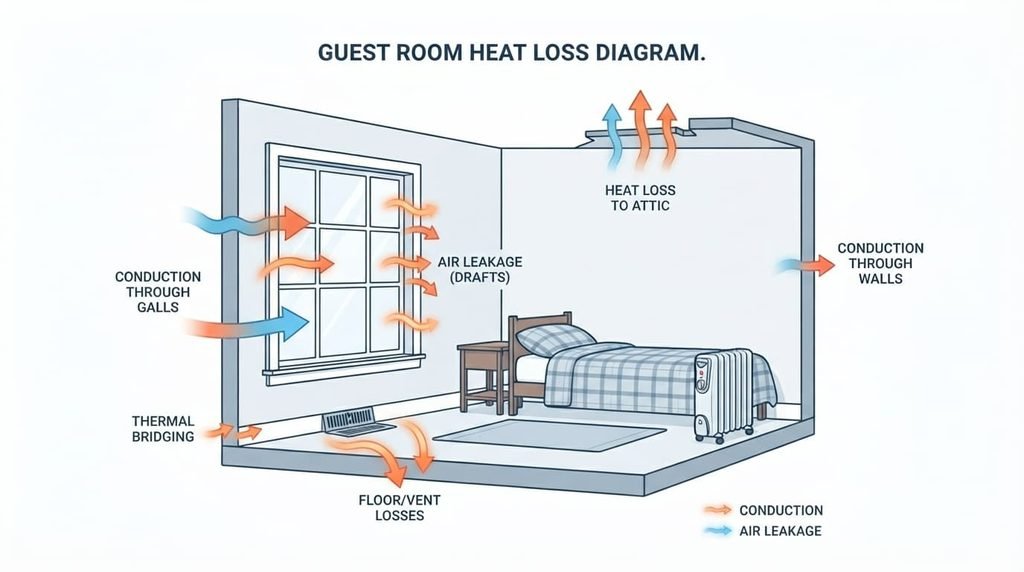
A guest room’s persistent cold often stems from a combination of the room being genuinely less prioritised in your home’s typical heating pattern – since it’s used infrequently, it may simply run cooler between uses – along with genuine draft sources and inadequate insulation that a more regularly used, actively monitored room might have already had addressed. This specific combination – infrequent use masking an underlying issue until a guest actually arrives – explains why the cold often becomes apparent specifically when someone’s actually staying there.
This matters because “the guest room is just cold” often gets treated as an unavoidable property of a rarely used room, when the actual issue is frequently this specific combination of factors, meaning a fix addressing only one – simply turning up the heat during a stay, for instance – may not fully resolve genuine underlying draft or insulation issues.
Confirm which pattern you have
Check carefully whether the room is genuinely part of your home’s regular heating zone, or whether it’s typically closed off or unheated between guest stays specifically, since this distinguishes a simple heating-pattern issue from a genuine structural problem requiring more attention.
Check for obvious draft sources specifically – around windows, doors, or exterior walls – since these represent an addressable cause quite distinct from the room simply not receiving adequate heating during its normal unused state.
The fixes, in order of cost
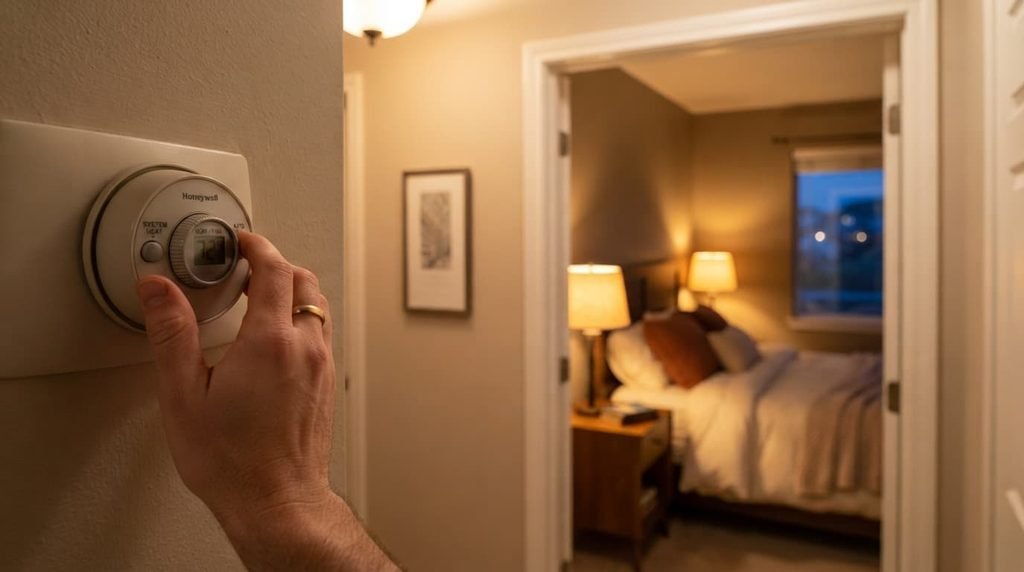
1. Begin heating the guest room in advance of a guest’s actual arrival, rather than only once they’re already there. This costs relatively little beyond the heating itself and directly addresses the specific pattern of a room that’s simply been cold and unheated for an extended period before anyone actually needs it warm.
2. Add or replace weatherstripping around windows and doors specifically, and use draft-blocking solutions at obvious gaps. This is a modest addition to the total cost but directly addresses genuine heat loss sources, complementing improved heating scheduling rather than simply compensating for continued draft.
3. Add warm bedding and textiles specifically suited to genuinely colder conditions, layering options a guest can adjust to their own comfort. This costs relatively little and directly addresses a guest’s immediate comfort while the more structural fixes above take fuller effect.
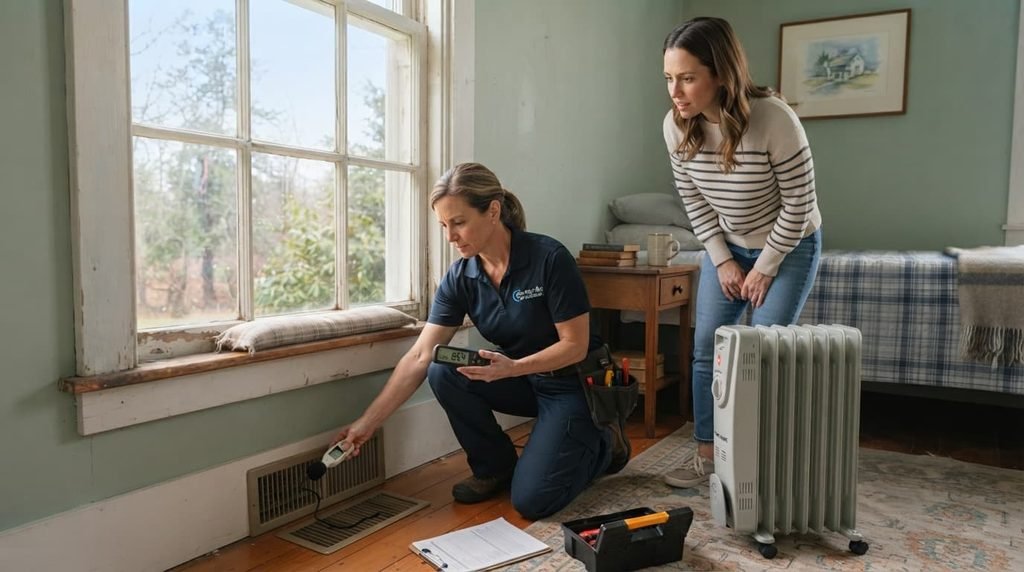
4. For a guest room with a genuine, persistent cold problem the fixes above don’t resolve, consult a licensed heating professional about the room’s specific insulation and heating capacity, since this may indicate the room genuinely isn’t adequately served by your home’s existing heating system. This is a professional consultation, not a DIY project – any change to your home’s actual heating system or structural insulation needs proper assessment before further attempts are likely to succeed.
What isn’t worth doing
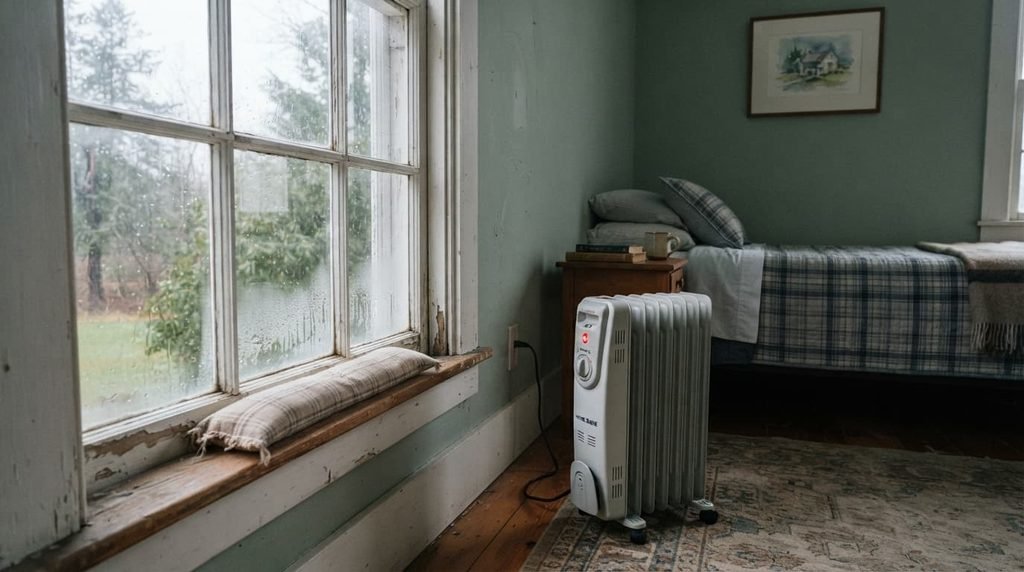
Relying entirely on a portable space heater as your complete solution, without addressing genuine draft sources or your home’s regular heating pattern for the room, isn’t worth doing as a complete fix on its own.
A portable heater addresses immediate warmth during an actual stay but doesn’t address why the room became so cold in the first place, meaning a household relying purely on this approach continues experiencing the same underlying issue each time, rather than genuinely resolving it.
Closed doors and vents specifically can also genuinely compound this problem, since a guest room’s door being kept closed most of the time, or its heating vent partially or fully closed to save on general household heating costs, directly reduces the warm air actually reaching the space, even when the rest of the home’s heating system is otherwise functioning entirely normally.
What people get wrong about fixing this
The most common mistake is assuming a guest room’s cold is simply an unavoidable consequence of it being used infrequently, when the actual cause is frequently a specific, addressable combination of heating pattern and draft factors rather than something inherent to rarely used rooms generally. A guest room genuinely and easily can maintain comfortable temperature between uses with the right heating schedule and draft-sealing measures genuinely in place.
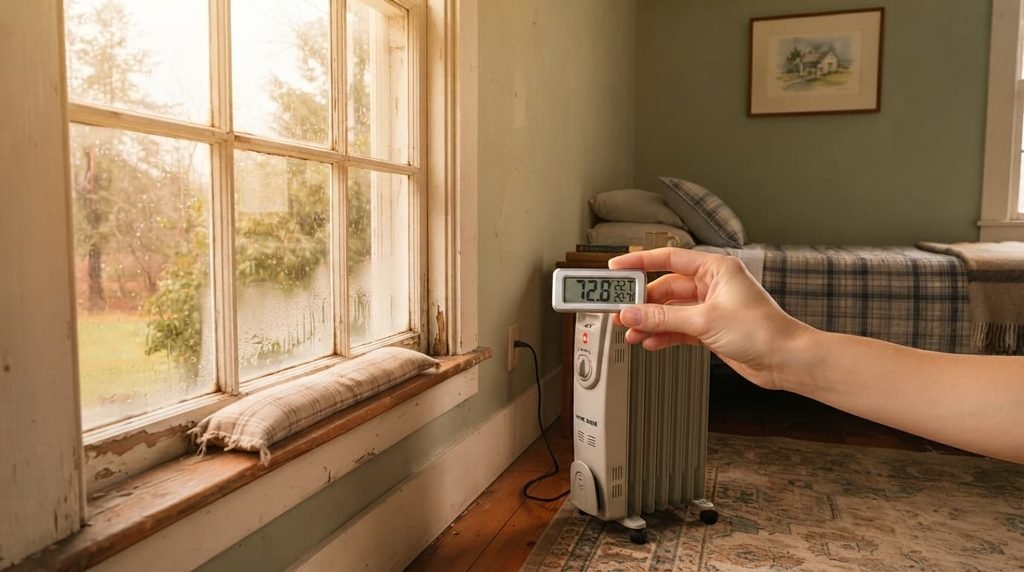
A second common mistake is only addressing the cold once a guest has already arrived and mentioned discomfort, rather than proactively checking the room’s actual temperature before their arrival. A brief check the day before their arrival, adjusting the heating schedule accordingly, genuinely prevents the awkward situation of a guest experiencing genuine discomfort during their very first hours in your home.
What changes if your situation is different
If your guest room’s cold problem is genuinely limited to specific seasons rather than persisting year-round, prioritise the heating-schedule and warm-bedding fixes specifically for that seasonal window, over a more substantial structural change, since the actual problem period may not justify additional cost and complexity.
If you’re renting and structural insulation changes genuinely aren’t available to you, the heating-schedule, draft-sealing, and warm-bedding fixes become your practical ceiling, and a genuinely well-chosen combination of these can meaningfully address most guest room cold without requiring any structural change to the space at all.
The one thing to check before you commit
If you’re pursuing the licensed heating professional option specifically, confirm with them whether your home’s existing heating system can genuinely support additional capacity for this specific room, since this determines both feasibility and cost in ways that aren’t visible from simply assessing the room itself.
This matters more for this specific option than for the other fixes above, since those remaining fixes are all fully reversible, low-cost, and require no professional assessment at all, while a heating system change carries genuine cost and complexity worth confirming clearly before any further planning proceeds.
Questions readers keep asking
How far in advance should I actually start heating a guest room before a visitor arrives?
Starting at least several full hours before arrival, or the evening before for a genuinely cold room specifically, typically allows enough time for the space to reach comfortable temperature, though the exact timing depends on your home’s specific heating capacity and how cold the room genuinely starts from.
Is it safe to use a portable space heater overnight in a guest room?
Generally yes for a heater specifically designed for continuous use, positioned safely away from bedding and any flammable materials, though confirming the specific unit’s manufacturer guidance for safe overnight use is worth doing directly before relying on this approach.
When is it worth considering a proper heating system upgrade instead of the simpler fixes?
If you’ve genuinely tried advance heating, draft-sealing, and warm bedding, and the room still doesn’t achieve comfortable temperatures for a typical guest’s needs, that’s the point worth consulting a licensed professional about a more substantial heating solution, rather than starting there before trying the simpler, lower-cost fixes first.