Most guest rooms genuinely fail for one predictable reason: they’re furnished with whatever’s left over, arranged around what the household simply didn’t want elsewhere, rather than genuinely designed around what actually makes a temporary stay comfortable for someone unfamiliar with the space. The rooms that make guests linger, that get mentioned afterward as “such a nice place to stay,” aren’t accidentally pleasant – they’re built around a specific, identifiable set of priorities most guest rooms simply skip.
The one decision that shapes this room
The deciding factor is whether the room genuinely anticipates a stranger’s actual needs during an unfamiliar stay, not simply whether it looks presentable when the door is closed and nobody’s inside. A guest room that photographs beautifully but leaves a visitor fumbling for an outlet at midnight, or searching for basic toiletries they forgot to pack, fails at its actual job regardless of how attractive the bedding looks.
This single core distinction – genuine anticipation of a stranger’s actual temporary needs, not just simple visual presentability – should genuinely guide nearly every choice made below, more than any specific decorating trend or particular colour scheme could.
Getting the practical essentials genuinely covered
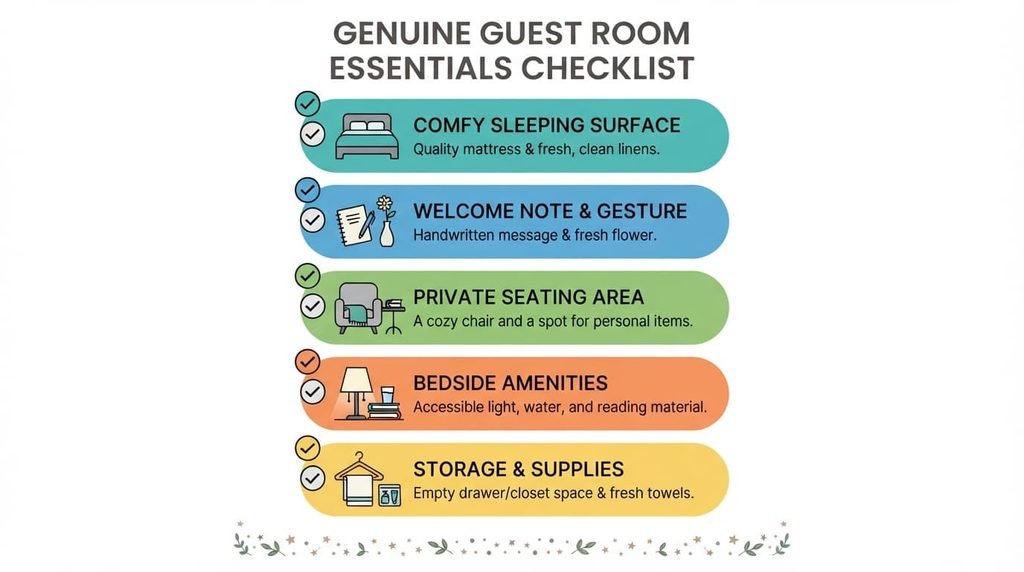
Provide a genuinely accessible power outlet near the bed itself specifically, since a guest without this basic access genuinely spends their stay awkwardly reaching across furniture or sleeping with a barely-charged phone, a small friction that quietly colours their entire overall impression of the stay.
Stock a small selection of genuinely useful items a guest might have forgotten – a spare phone charger, basic toiletries, a bottle of water – since anticipating these specific small gaps reads as considerably more thoughtful than any decorative flourish could.
Include genuinely adequate, adjustable lighting specifically, since a guest unfamiliar with the room benefits from lighting they can actually control easily, rather than fumbling for a single overhead switch in an unfamiliar space in the dark.
What the bed is actually doing
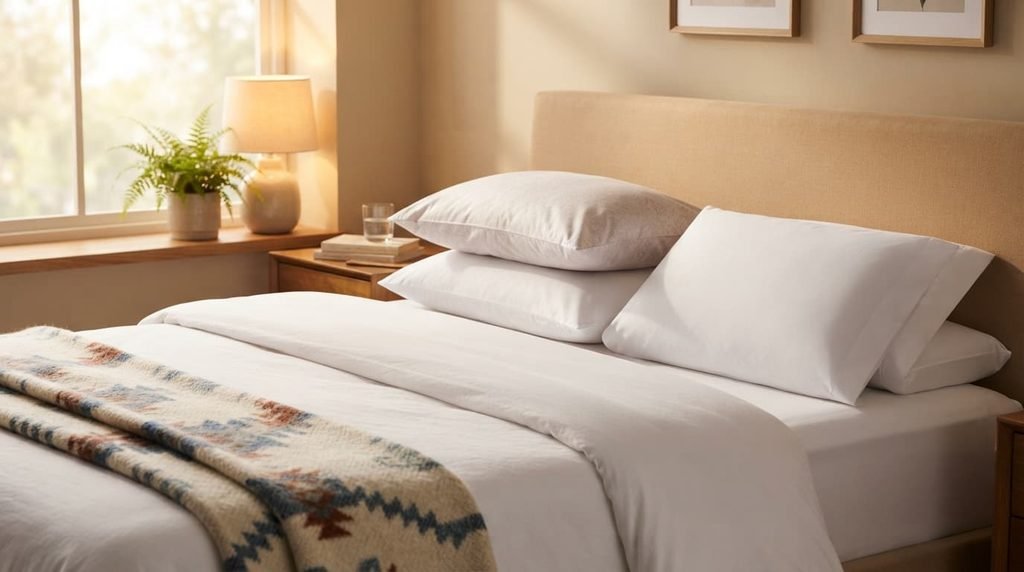
Choose bedding that’s genuinely comfortable by objective standards, not simply what matched your decorating scheme, since a guest sleeping poorly on an overly firm or unfamiliar mattress remembers that discomfort considerably more vividly than any aesthetic detail in the room.
Provide a genuine variety of pillow options if possible, since sleep preferences vary considerably between individuals, and a guest stuck with a single pillow type that doesn’t suit them experiences this specific discomfort every single night of their stay.
Reading the room the way a genuine stranger actually would
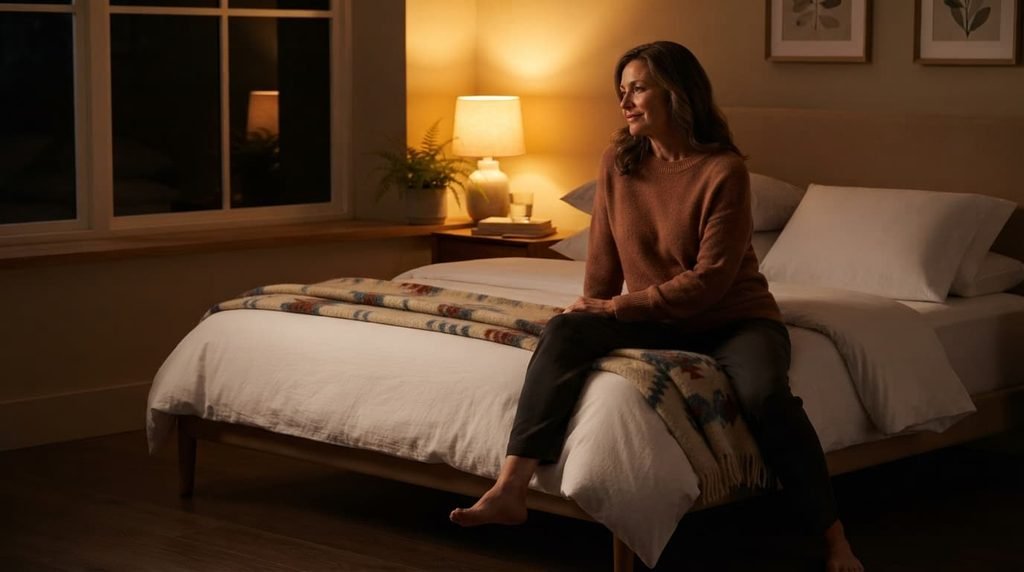
Spend an actual night in your own guest room occasionally, genuinely treating yourself as the visitor, since this genuinely direct experience reveals real friction points – an uncomfortable chair, awkward lighting angles – that simply looking at the room from a host’s familiar perspective consistently misses.
Consider what information a genuine stranger might need but wouldn’t think to ask for directly – the household’s wifi password, where towels are actually kept, what time breakfast typically happens – since anticipating these small informational gaps removes a meaningful source of quiet, unspoken awkwardness during a stay.
Providing genuine privacy without saying so directly
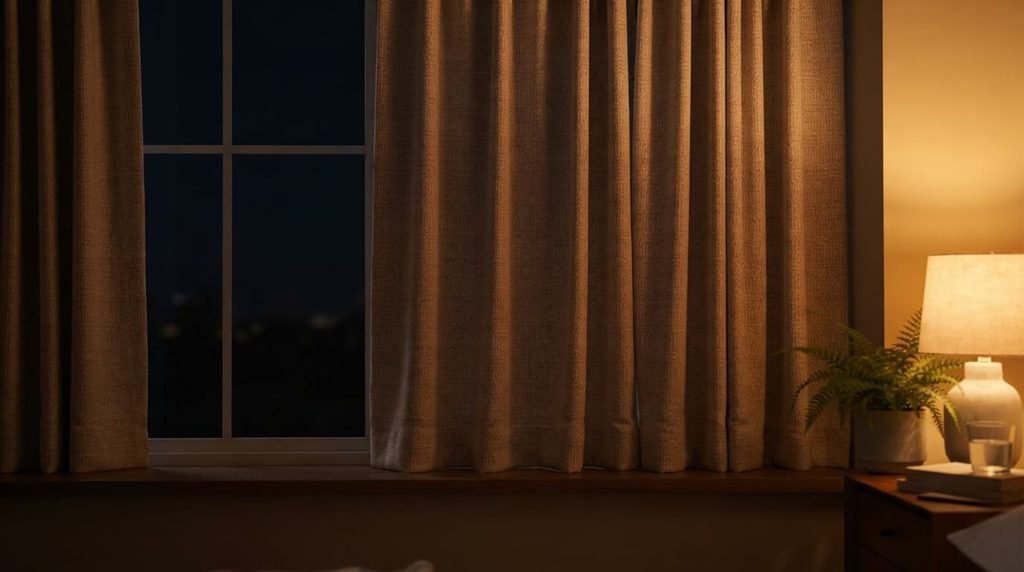
Ensure window coverings genuinely block outside visibility quite adequately, since a guest who feels observed, even without articulating this discomfort directly, experiences measurably less restful sleep than one who genuinely trusts their privacy during an unfamiliar stay.
Consider carefully whether the room’s own door genuinely closes securely and quietly, since a door that doesn’t fully latch properly, or one that creaks loudly, subtly undermines a guest’s genuine sense of having a truly private, comfortable space during their entire stay, regardless of how attractively everything else in the room is otherwise arranged.
What changes for a longer stay versus a single night
If guests typically stay multiple nights rather than just one, prioritise genuine storage space for their own belongings specifically – drawer space, closet room – since living out of a suitcase for several days creates a meaningfully different, more tiring experience than briefly setting bags down for a single overnight stay.
Consider adding a small, genuinely comfortable seating option beyond just the bed itself for longer stays specifically, since a guest spending extended time in the room benefits from somewhere other than the bed itself to sit, read, or simply exist comfortably during their stay.
What isn’t worth prioritising here
An elaborate, highly specific decorative theme isn’t worth prioritising over the practical foundation above, despite how commonly this gets recommended for guest room styling specifically.
A beautifully themed room that overlooks basic practical anticipation still leaves a guest genuinely less comfortable than a plainer room that got the fundamentals right, since decoration alone doesn’t address what actually determines whether a stay feels genuinely welcoming.
Matching the approach to your situation
If your guest room genuinely serves overnight family visitors regularly, prioritise a comfortable, adaptable setup that works well for repeat familiar guests over an elaborate one-time impression, since repeat visitors benefit more from consistent genuine comfort than a dramatic first impression.
If your space genuinely doubles as a guest room only occasionally, prioritise elements that transition easily between the room’s primary function and guest use specifically, since a room needing extensive rearrangement each time creates friction that undermines spontaneous hospitality.

The small gesture that outperforms most decorating effort
A brief, genuinely personal note or a small welcoming touch – fresh flowers, a favourite snack you genuinely know a specific returning guest enjoys – often leaves a considerably stronger overall impression than any decorating investment ever could, since it directly signals genuine anticipation of that specific person rather than a generic guest-room formula applied uniformly regardless of who’s actually staying.
This particular gesture costs little but communicates something a beautifully decorated but genuinely impersonal room simply can’t – that the space was thought about specifically for this visit, not just generically prepared as an afterthought before someone happened to arrive.
Questions readers keep asking
What’s the single detail guests notice most, even if they don’t mention it directly?
Genuine comfort and functional lighting tend to matter most to how a stay actually feels, even though guests are more likely to comment on visible decorative details – the underlying comfort factors shape their overall impression considerably more than what they consciously articulate afterward.
Is it worth having a dedicated guest room if space is genuinely limited?
A flexible, dual-purpose space thoughtfully prepared for occasional guest use can serve nearly as well as a fully dedicated room, provided the practical anticipation principles above are still genuinely applied during the transition to guest use specifically.
Should I ask guests directly about their preferences, or try to anticipate everything myself?
A brief, casual check beforehand – asking about any specific needs or preferences – often works better than assuming you can anticipate everything, since even genuinely thoughtful preparation can miss individual preferences a direct, low-pressure question would have simply revealed.
How can I make a guest room feel welcoming without spending significantly more?
Focusing on genuine practical anticipation – accessible outlets, adequate lighting, thoughtfully stocked small essentials – achieves considerably more welcoming impact for the effort involved than expensive decorative upgrades that don’t address these more fundamental daily comfort factors.