Defaulting to a video call genuinely is the most straightforward way to communicate with genuine visual and verbal context, and there’s nothing wrong with choosing that option – but “most straightforward default” and “the genuinely necessary choice for every situation” are different things, and the gap between them is exactly where the case for an alternative starts to make sense. If video calls have started feeling like an exhausting default for every work interaction, the realistic path depends on understanding what specific communication need each situation actually has and what each alternative trades away to meet it differently.
What video calls are actually providing
The core value video calls provide isn’t simply “communication” in a generic sense – it’s the specific combination of real-time verbal exchange plus visual context and non-verbal cues happening simultaneously. This matters because many work communications don’t actually need this full combination, meaning defaulting to video for every interaction assumes a need that often isn’t genuinely present in that specific situation.
This distinction is where the case for alternatives begins. Identifying which specific elements – real-time exchange, visual context, non-verbal cues – a particular communication genuinely needs changes which alternative, if any, might serve that specific situation just as well with considerably less overall time and energy investment.
The kinds of alternative, and what each costs you
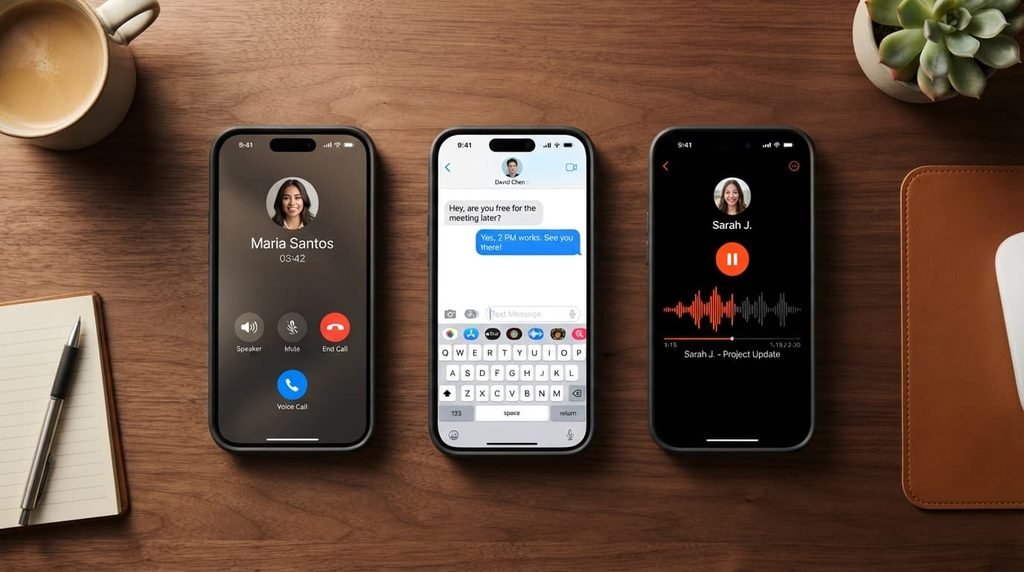
Audio-only calls, keeping real-time verbal exchange while removing the visual component specifically. This directly reduces the preparation and presence demands video calls require – appropriate background, camera-ready appearance – while preserving genuine real-time verbal exchange for situations where that specifically matters most. The trade-off: you lose visual and non-verbal cues entirely, which genuinely matters for communications where reading someone’s expression or body language would meaningfully add to the exchange.
Asynchronous written communication – detailed messages, shared documents – for genuinely non-urgent updates or information sharing. This directly removes the need for real-time coordination entirely, letting each person engage when genuinely convenient for them specifically, rather than requiring simultaneous availability. The trade-off: you lose the immediate back-and-forth real-time exchange provides, meaning genuinely complex or nuanced topics can take considerably longer to resolve through asynchronous exchange than a single real-time conversation would.
Brief, genuinely focused voice messages for updates that need a real voice but not genuine real-time back-and-forth. This directly provides tone and nuance audio calls and written text can each lack in their own way, without requiring both parties’ simultaneous availability the way a live call does. The trade-off: this works well for one-directional updates specifically, but genuinely interactive discussion still benefits more from real-time exchange than an exchange of recorded messages typically provides.
The trade-off nobody warns you about
The cost that shows up mid-transition isn’t the time saved by reducing video calls – it’s discovering how much of your team’s default video-call habit was actually about genuine communication need versus simply being the established default nobody had genuinely questioned.
Most advice about reducing video call fatigue focuses entirely on scheduling fewer calls generally. Nobody mentions clearly enough that a meaningful portion of unnecessary video calls stem from habit rather than genuine communication need, and recognising which category a specific situation falls into changes which alternative, if any, is actually worth pursuing for that particular interaction.

How to figure out what a specific situation actually needs
Identify specifically whether the communication genuinely requires real-time exchange, or whether asynchronous communication would serve the actual underlying need just as well, since this distinction determines whether a written or voice-message alternative is even genuinely appropriate for that particular situation.
For communications that do genuinely need real-time exchange, consider specifically whether visual context and non-verbal cues add genuine value for that particular topic, or whether an audio-only call would provide the necessary real-time exchange without requiring the additional preparation video specifically demands.
Notice patterns in your own team’s actual video call habits over a genuine period, identifying which recurring call types could genuinely shift to an alternative without meaningfully losing communication quality for that specific, recurring purpose.

When video calls remain the reasonable choice
If a specific communication genuinely benefits from visual context and non-verbal cues – a nuanced discussion, a situation where reading reactions matters, building genuine rapport with someone new – video calls remain a reasonable, meaningfully valuable choice specifically for that pattern, rather than something to feel obligated to replace.
I’ll say this plainly: video calls get criticised for causing fatigue more readily than the actual situation often justifies, particularly when the underlying issue is genuinely about excessive call frequency or poor scheduling rather than video itself being inherently problematic. The push toward alternatives is often framed as universally better, when for communications genuinely needing visual, real-time exchange, the alternatives don’t necessarily represent a meaningfully better choice.
The one check worth doing before your next call
Before scheduling a video call by default, honestly ask whether this specific communication genuinely needs real-time exchange and visual context together, rather than assuming video is automatically necessary purely because it’s the established habit.
This one check prevents unnecessarily defaulting to video for communications that would genuinely work just as well, or even better, through a lower-effort alternative, focusing actual video call time specifically on situations where its full combination of features genuinely adds value.

What people get wrong about these alternatives
The most common mistake is assuming reducing video calls means reducing genuine communication quality overall, when in practice matching each specific situation to its actual genuine need often improves overall communication quality by ensuring video’s full combination of features gets reserved for situations that genuinely benefit from it most, rather than being diluted across every interaction regardless of actual need.
A second common mistake is implementing these alternatives inconsistently without genuine team buy-in, resulting in confusion about expectations rather than a genuinely improved communication approach. Introducing alternatives gradually, with clear communication about which situations suit which approach, tends to produce considerably better results than an abrupt, unexplained shift away from a team’s established default habit.
Questions readers keep asking
How do I know if a specific recurring meeting genuinely needs to stay video, or could shift to an alternative?
Reviewing what actually happens during that specific meeting type – is visual context or non-verbal reading genuinely used, or is it primarily verbal information exchange – reveals whether the visual component is genuinely adding value or simply present because that’s how the meeting has always been held.
Are asynchronous alternatives genuinely as effective for team building as video calls?
For pure information exchange, often yes, though genuine team relationship building does tend to benefit more from real-time, visual interaction specifically, making this a reasonable exception worth preserving even while reducing video calls for purely informational purposes elsewhere.
Does switching between these alternatives and video calls confuse team members about which to expect for a given situation?
This can genuinely happen initially, so establishing clear, shared team norms about which communication type suits which situation – rather than leaving the choice ambiguous each time – helps prevent this specific confusion as alternatives become more consistently integrated into a team’s regular workflow.
Is it worth proposing these alternatives to a team accustomed to defaulting to video for everything?
Yes, and starting with a specific, clearly low-stakes recurring meeting type as a trial can help a team genuinely experience the alternative’s value directly, rather than requiring everyone to accept the change purely on the strength of an abstract argument alone.