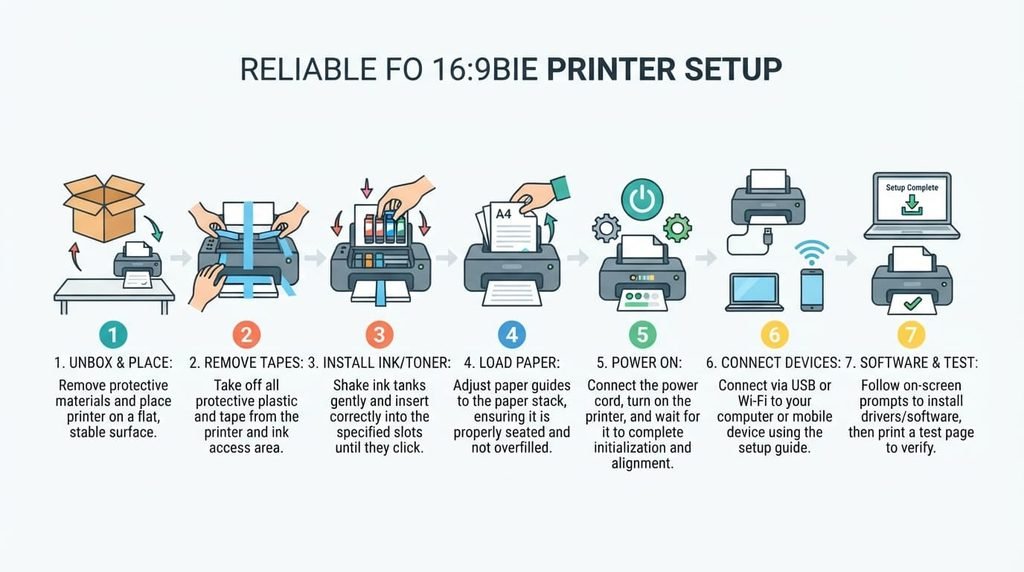
Setting up a home printer so it genuinely works reliably when you actually need it works best as a sequence of specific steps addressing the most common failure points first, rather than simply plugging it in and hoping for the very best until something inevitably goes wrong later. This guide covers the steps in the order that typically prevents the most frustration, building genuine reliability into your setup from the start.
Before you start
Choose a genuinely suitable location for your printer specifically considering both convenience and environmental factors – away from direct sunlight or significant temperature swings, since these can genuinely affect paper and ink quality over time in ways that aren’t obvious until problems actually and visibly surface later.
Gather your printer’s actual setup materials – cables, any included software, your device’s specific connection requirements – before beginning, rather than starting the process and discovering a missing piece partway through.
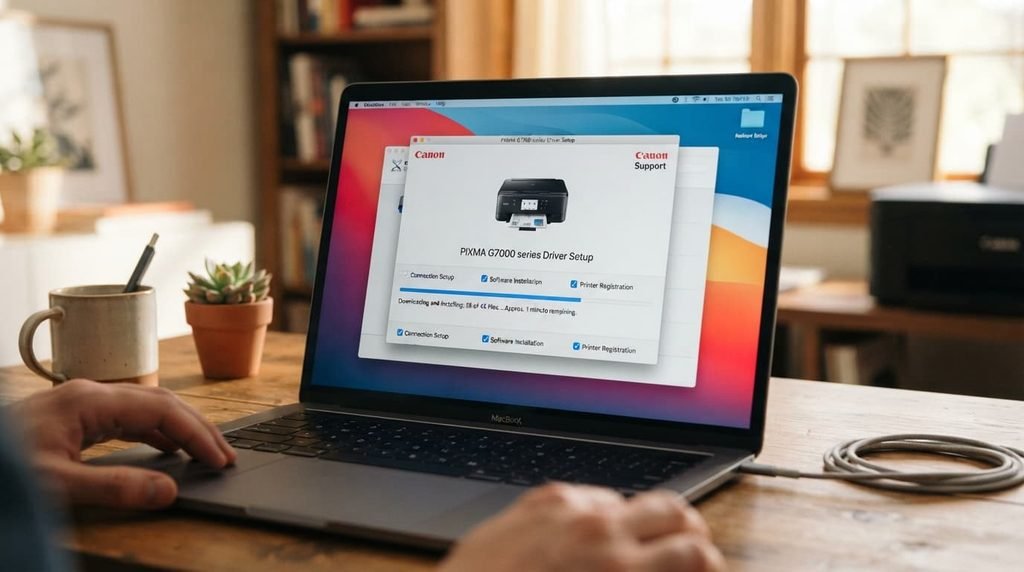
Step one: install genuinely current driver software
Download your printer’s actual current driver software directly from the manufacturer’s own official site specifically, rather than relying solely on whatever disc originally came in the box, since driver software is often genuinely updated after a printer’s initial release specifically to fix known issues.
Complete the full driver installation process before attempting your first print, rather than skipping steps that seem optional, since an incomplete installation is a genuinely common source of the mysterious connectivity issues that surface later.
Step two: establish a genuinely stable connection
Choose your connection method deliberately – wired or wireless – based on your actual typical use pattern, since a wireless connection offers convenience but can introduce connectivity variables a direct wired connection simply doesn’t have to contend with.
If using a wireless connection, confirm your printer’s connection to your network is genuinely stable specifically, rather than assuming initial successful setup means the connection will remain reliable indefinitely without any further attention.
Step three: run an actual test print immediately
Print an actual genuine test page immediately after setup, rather than assuming successful installation means the printer will definitely work later when you actually need it, since testing now reveals issues while you have time to address them calmly.
Test printing from each specific device you’ll genuinely use with this printer – not just the one used during initial setup – since connectivity and driver issues can be genuinely device-specific in ways a single test doesn’t reveal.

Step four: build in genuine preventive maintenance habits
Print something small on a regular, recurring basis specifically – even just a test page every week or two – since this proactive habit directly prevents the ink-drying and disuse-related issues that cause many printers to fail specifically when actually needed.
Check for driver and software updates periodically as an ongoing habit, rather than only when something’s already gone wrong, since staying current prevents a meaningful portion of the connectivity issues that develop from outdated software over time.
Step five: prepare for genuine future troubleshooting
Note your printer’s actual specific model number and keep your original setup materials accessible, rather than needing to search for this information during an actual urgent troubleshooting moment when you’re already under time pressure.
Bookmark your printer manufacturer’s genuine official support resources specifically, since having this readily accessible before you actually genuinely need it saves valuable time during a genuine troubleshooting situation that arises later.
Step six: configure default settings genuinely appropriate for typical use
Set your printer’s default print quality and paper settings to match your genuine typical use pattern, rather than leaving factory defaults that might not suit your actual regular needs, since adjusting settings each time you print creates unnecessary friction over repeated use.
Confirm your default printer is genuinely set correctly across all your devices specifically, since a device accidentally defaulting to a different or no-longer-connected printer creates confusing failed print attempts that have nothing to do with the printer itself actually malfunctioning.
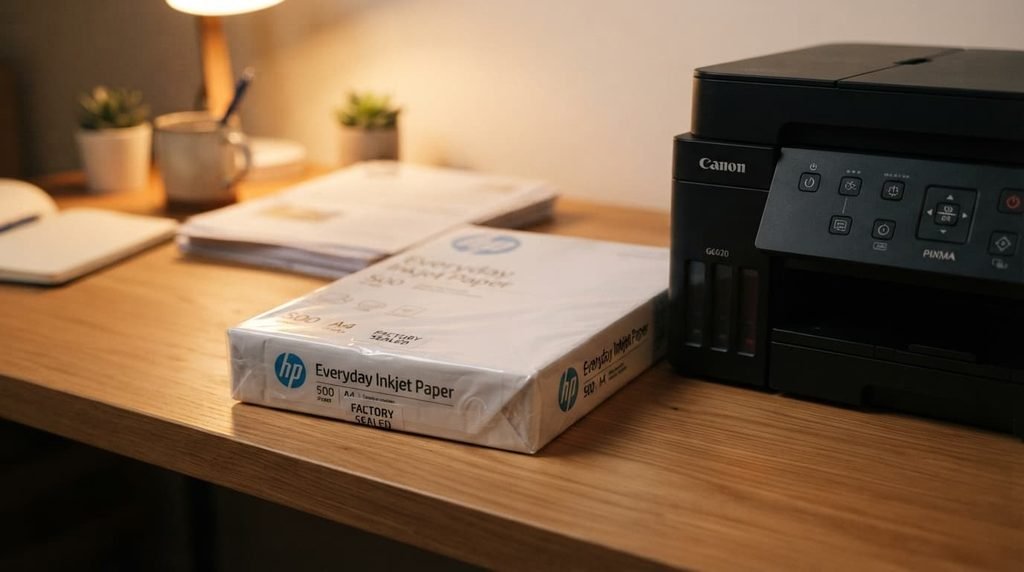
Step seven: store supplies genuinely properly between uses
Keep spare paper in its original packaging or a genuinely sealed container specifically, rather than left loose in an open tray for extended periods, since this directly prevents the humidity-related feeding issues covered in typical printer troubleshooting.
Store any spare ink or toner cartridges according to the manufacturer’s genuine storage guidance, since improper storage conditions can degrade cartridges before you’ve even installed and used them, undermining your preventive maintenance efforts elsewhere.
What isn’t worth doing
Skipping the driver update and test print steps specifically because the printer seems to work initially, isn’t worth the risk this shortcut creates.
A printer that appears to work during initial setup can still have underlying driver or connectivity issues that only surface later, meaning skipping these foundational steps often means discovering problems at the worst possible moment rather than during a calm initial setup period.
If you’ve only completed some of these steps
If you’ve installed current drivers and established a stable connection but haven’t yet built in the recurring test-print habit, this is genuinely solid progress worth continuing from, rather than needing to complete every step simultaneously before your setup becomes genuinely reliable.

Making the test-print habit genuinely stick
The recurring test-print habit, covered in step four, is genuinely the single most valuable habit in this entire sequence, since it directly addresses the specific pattern of printers failing exactly when needed most urgently. Nearly every other step in this guide sets up correct initial conditions, but only ongoing regular use actually maintains those conditions over time as ink, paper, and software all continue changing in the background regardless of how well the initial setup was completed.
Pairing this habit with something you already do regularly – printing a small note alongside a weekly routine task, for instance – makes it considerably more likely to genuinely persist long-term than treating it as a separate, easily forgotten obligation requiring its own independent reminder system entirely.
Questions readers keep asking
Which single step makes the biggest difference for long-term printer reliability?
The recurring test-print habit specifically tends to prevent the most common source of frustrating failures, since this directly addresses the disuse-related ink and connectivity issues that account for a significant portion of “my printer suddenly doesn’t work” situations.
Is a wired connection genuinely more reliable than wireless for a home printer?
Generally yes, in terms of connection stability specifically, though wireless offers genuine convenience most households value enough to accept this trade-off, making the choice more about weighing your own actual priorities than assuming one option is universally correct.
Is it worth setting a recurring calendar reminder specifically for the maintenance steps covered here?
Yes, quite genuinely – relying purely on memory for periodic habits like test printing or checking for updates tends to result in these tasks being forgotten until a problem actually forces attention, so a simple recurring reminder removes this reliance on remembering unprompted.
How often should I actually check for printer driver updates?
Checking every few months as a reasonable routine habit, or specifically whenever you notice any new connectivity issue, helps catch updates that address known problems before they meaningfully affect your actual regular printing needs.