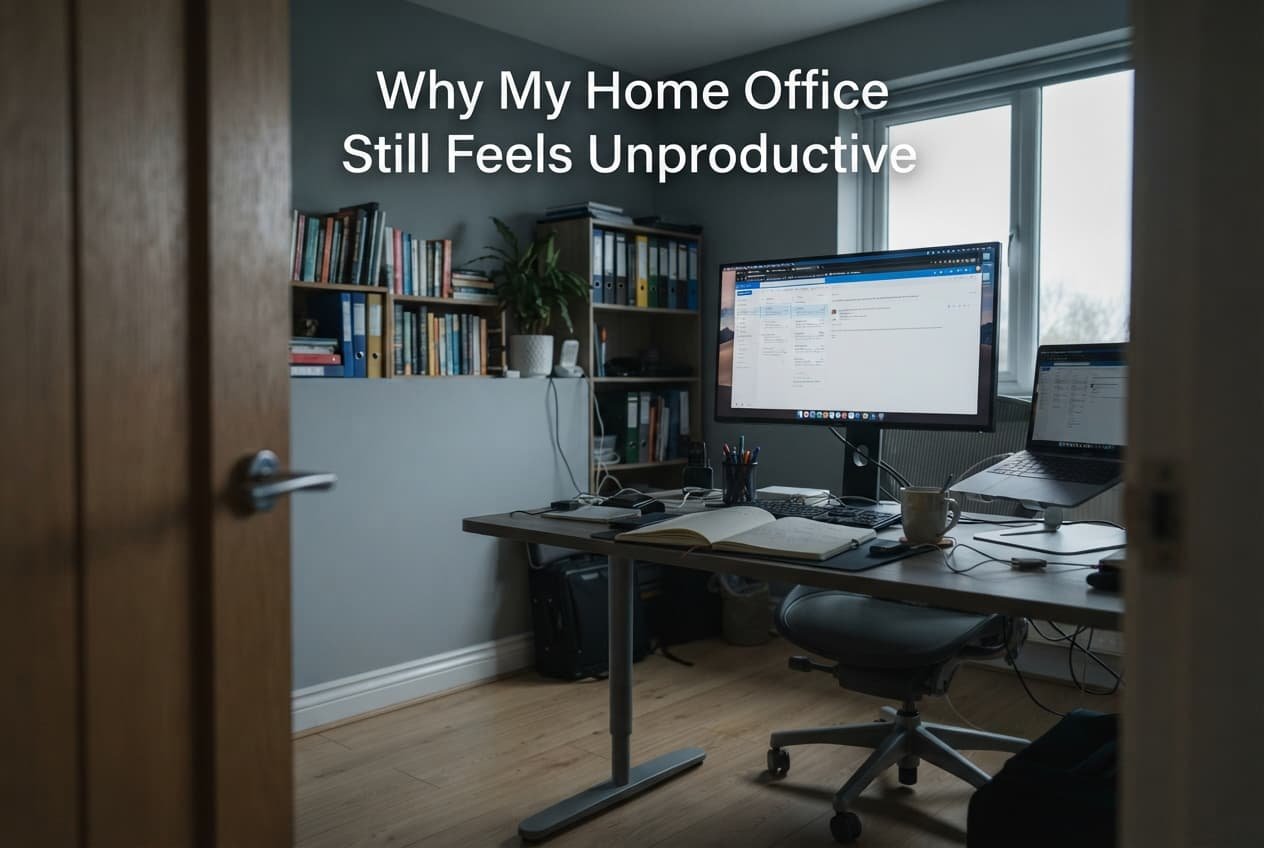
A home office that still feels genuinely unproductive despite being entirely fully set up usually isn’t missing more equipment – it’s missing the specific conditions that actually support sustained focus, which is a fundamentally different problem than simply not having the right furniture. The room isn’t failing because your taste or budget is wrong; it’s failing because a specific usability barrier remains unaddressed, and no amount of additional equipment fixes a barrier problem by adding more objects to the space.
What actually decides this
The deciding factor is whether the room has actually removed the specific friction that was preventing genuine focus in the first place, not simply whether it contains attractive, complete equipment. A home office can contain a genuinely well-chosen desk and comfortable chair while still feeling unproductive if the actual barrier – poor lighting causing fatigue, distracting noise, a location that invites frequent interruption – remains fully present alongside the equipment.
This distinction matters because most advice for an unproductive home office focuses on furniture and equipment quality, while the actual fault is frequently a lighting, noise, or interruption barrier that better equipment alone doesn’t resolve, regardless of how comfortable that equipment technically is.
This is why two home offices with genuinely similar equipment quality can end up feeling completely different in daily use. The office where the actual barrier was identified and addressed becomes a place where sustained focus genuinely happens regularly; the office where equipment was purchased and completed without addressing the underlying barrier stays visually impressive but functionally identical to before, since the reason it felt unproductive originally was never actually about the equipment itself.
The causes, diagnosed
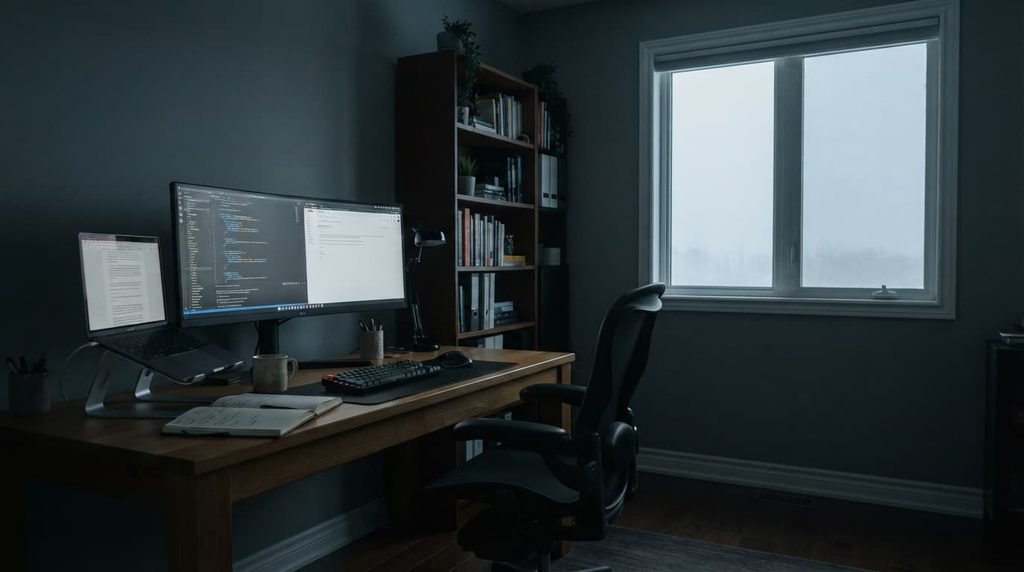
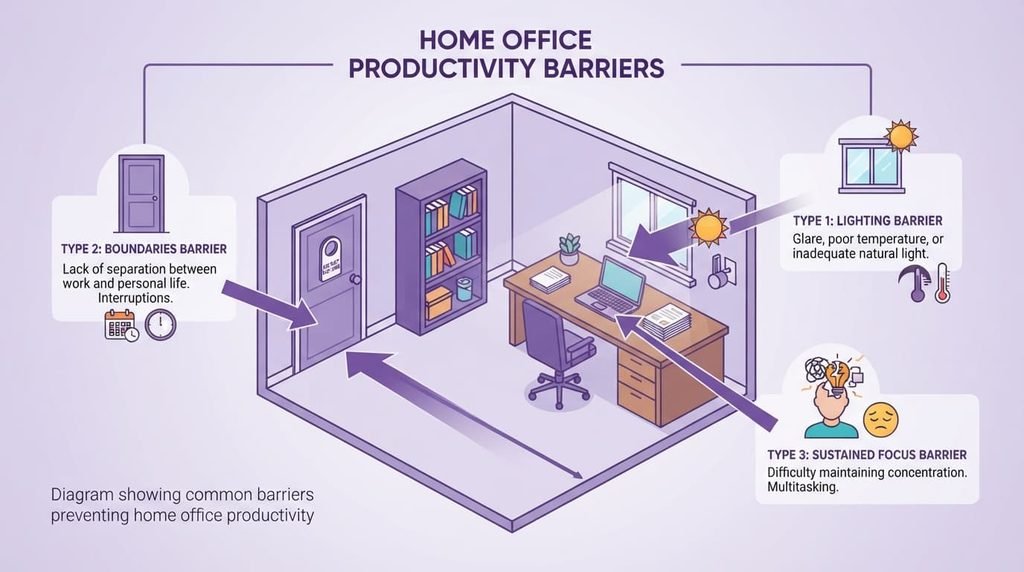
“The setup is genuinely comfortable, but I feel drained and unfocused by mid-afternoon most days.” This points to an unaddressed lighting or environmental barrier rather than a furniture problem specifically – even genuinely comfortable seating goes unproductive if inadequate task lighting or poor air circulation causes fatigue that compounds throughout the day. The fix: address the specific environmental barrier directly – proper task lighting, improved air circulation – since this is what actually determines sustained productivity, independent of furniture quality.
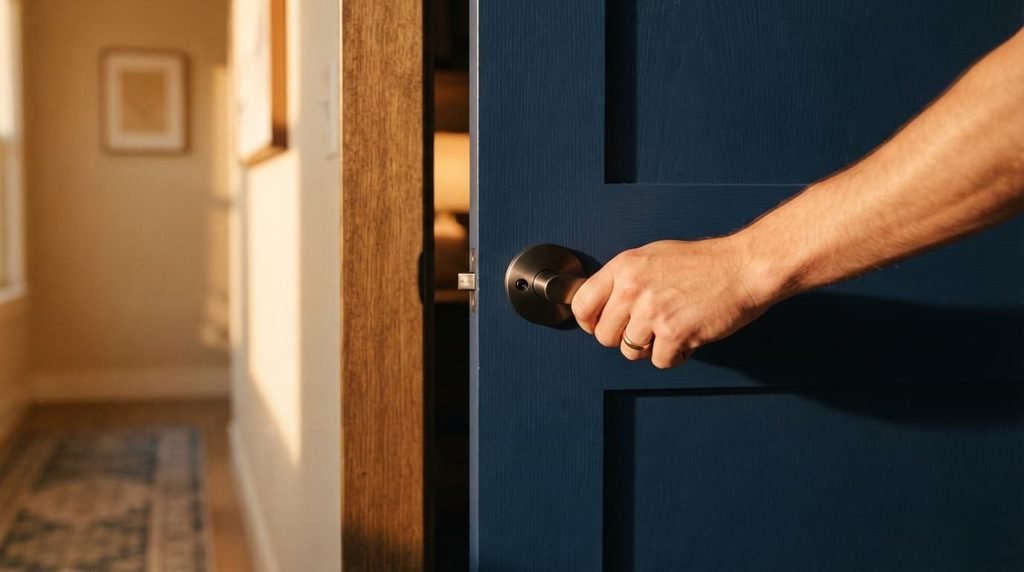
“My office is technically set up well, but I keep getting interrupted by household activity around me.” This points to a location or boundary barrier rather than insufficient equipment – an office positioned within easy reach of ongoing household activity requires either a physical or a clearly communicated boundary to actually function as a focused workspace. The fix: establish a genuine physical or communicated boundary specifically – a closed door, a clear household signal for focused time – rather than assuming the equipment itself should somehow compensate for an open, interruption-prone location.
“The room works fine for quick tasks, but I can’t seem to sustain focus for longer work sessions.” This points to a genuine mismatch between the room’s current setup and the specific demands of sustained focus work, rather than an equipment deficiency – a room equipped for brief tasks doesn’t automatically support the different conditions longer, deeper focus sessions actually require. The fix: identify what specifically breaks your sustained focus – visual distractions in your sightline, uncomfortable positioning during longer sessions – and address that particular barrier directly, rather than assuming better general equipment will somehow resolve it.
Where the internet gets the blame wrong
The internet blames “not enough equipment” or “the wrong desk setup” for unproductive home offices far more often than genuine usability barriers actually deserve that blame, and I’d defend this as a genuine misdiagnosis, not just a matter of opinion.
A home office with modest, even incomplete equipment but genuinely addressed lighting and boundary barriers frequently supports more genuine productivity than a fully equipped room sitting in conditions that remain genuinely distracting or fatiguing, because the actual mechanism is barrier removal, not equipment completeness. Advice to simply “upgrade the setup” without addressing the specific barrier often leaves the actual fault untouched while producing a more impressive-looking but equally unproductive space.

Matching the fix to your cause
If your diagnosis points to a lighting or environmental barrier specifically, prioritise addressing that exact barrier – proper task lighting, improved circulation – before considering any further equipment purchases, since this is what actually determines whether the existing setup becomes genuinely productive.
If your diagnosis points to a location or interruption barrier, prioritise establishing a genuine boundary specifically, since this is often more about physical or communicated separation than about the office’s own equipment at all.
If your diagnosis points to a sustained-focus mismatch, prioritise identifying and addressing the specific factor that breaks your longer-session focus, since this directly addresses the actual gap between what the room currently supports and what sustained work genuinely requires.
What changes if you’ve already tried the obvious fixes
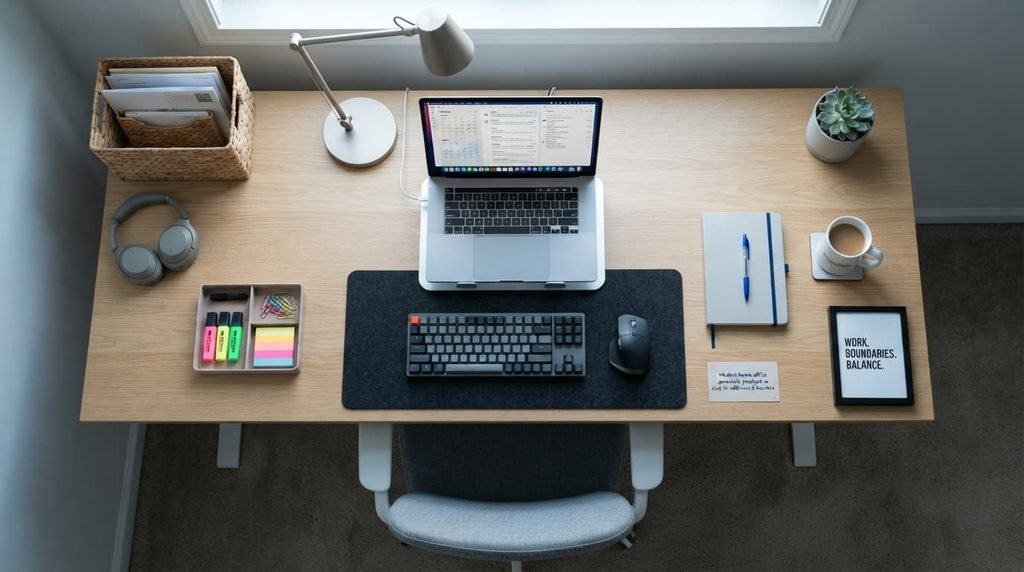
If you’ve already upgraded equipment and the room still feels unproductive, revisit the lighting, boundary, and sustained-focus questions specifically – the fault may never have been equipment quality at all, and continuing to add equipment past this point rarely resolves a barrier problem rooted somewhere else entirely.
If you’ve already addressed one barrier and the room still feels underproductive, check whether a second, separate barrier is also present – a home office can have both a lighting problem and an interruption problem simultaneously, and resolving only one doesn’t guarantee the space becomes genuinely productive if the other remains fully unaddressed.
How many weeks should I wait after addressing a barrier before deciding whether it actually worked?
Roughly two to three full weeks is usually enough to establish whether genuine improvement is actually taking hold, since a single productive day or two might reflect unusual circumstances rather than the barrier being genuinely and permanently resolved. If productivity still feels forced or inconsistent after that period, revisiting the diagnosis rather than assuming more time alone will fix it is the more productive next step.
Where the internet’s misdiagnosis persists
This misdiagnosis persists partly because purchasing new equipment is the easiest, most immediately satisfying advice to act on, regardless of whether it actually addresses the room’s specific barrier. Diagnosing a lighting, boundary, or sustained-focus problem requires honest observation of your own actual behaviour and reasons for losing focus, which takes more deliberate reflection than simply browsing for an attractive new desk accessory – but the quicker advice only helps when equipment genuinely was the problem, which the causes above suggest is less often true than the volume of equipment-focused advice would imply.
Questions readers keep asking
Does having complete, high-quality equipment usually solve an unproductive home office problem?
Not necessarily – equipment completeness matters less than whether the actual barrier preventing genuine focus, whether it’s lighting, interruptions, or a sustained-focus mismatch, has been genuinely addressed. A fully equipped room in a distracting or fatiguing setting still tends to feel unproductive regardless of the equipment’s individual quality.
How do I know which specific barrier is actually limiting my productivity?
Pay close attention to what specifically happens right before your focus genuinely breaks down during a typical working day – if it’s fatigue, that points to a lighting or environmental barrier; if it’s an interruption, that points to a boundary barrier; if it’s simply losing focus during longer sessions specifically, that points to a sustained-focus mismatch.
Is it my taste that’s the problem, or something else?
Almost always something else – specifically an unaddressed lighting, boundary, or sustained-focus barrier, all of which are measurable, fixable conditions rather than a matter of personal taste. Diagnosing the actual barrier typically resolves the unproductive feeling without requiring any change in equipment style preference at all.