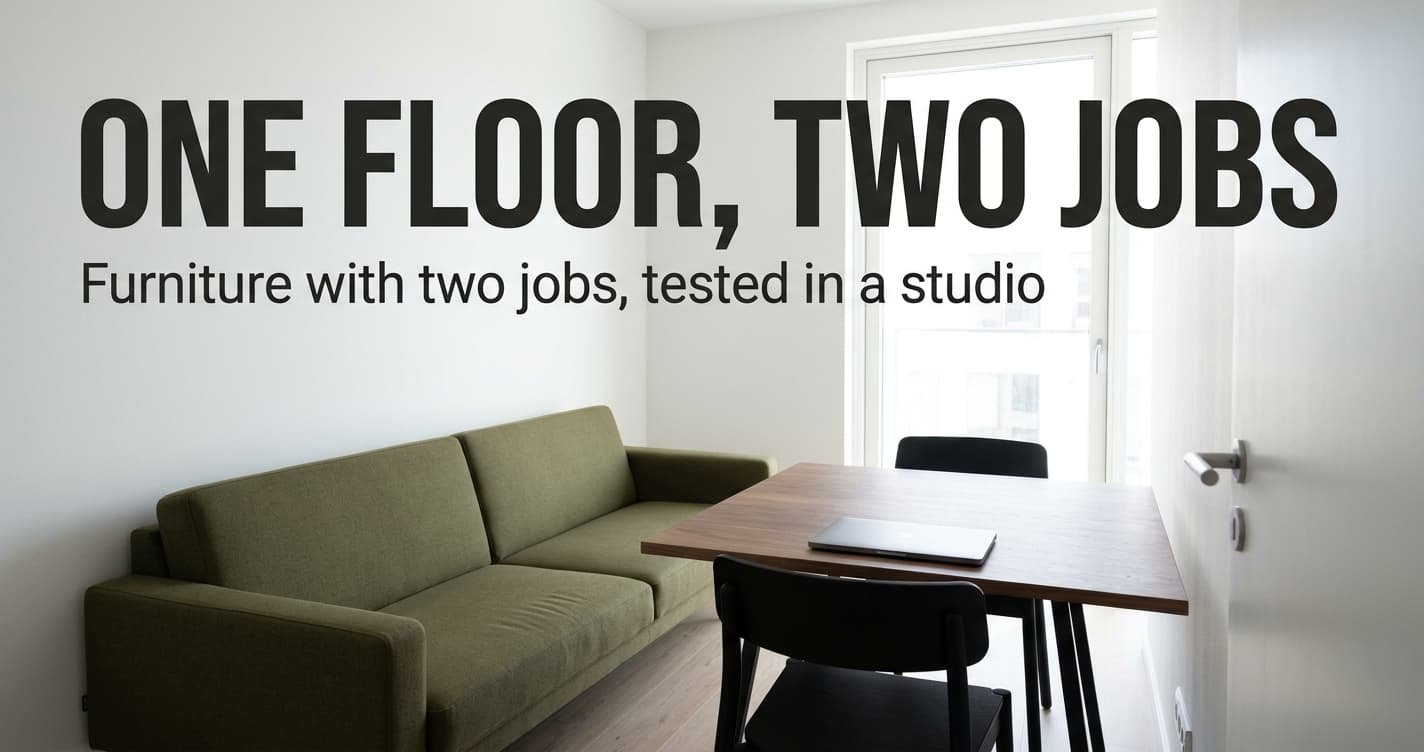
A sofa that stores the bedding takes the floor of one sofa, while a sofa plus a chest takes the floor of both. Furniture with two jobs is replacing single-purpose pieces in studios because of that arithmetic, and the change is real. Adopt it for pieces whose two jobs never overlap in time, and keep a single-purpose piece wherever they do.
The studio here measures 330 by 560 cm, which is 18.5 m², at 260 cm from floor to ceiling, in the Netherlands. The sums compare a set of five single-purpose pieces with a set of three that share jobs. They are calculations on stated sizes, and they don’t describe any market.
Where furniture with two jobs came from
For much of the last century, furnishing advice assumed a room for each job. Meals belonged in a dining room. Paperwork belonged in a study, and guests belonged in a spare room, with furniture sized to match each one. Small flats had none of those rooms, but tenants bought the same furniture anyway. One person then ended up with a dining table and a desk, plus a chest beside them, in the space of one room.
Two-job pieces weren’t new. Ship cabins and caravans have always put storage under the seats, because every cubic centimetre there was already spoken for. A cabin has no spare corner, so the bench is also the locker.
Ordinary homes borrowed the idea late, and only when something changed in how people live. A one-room let used to be a stopover. Now many people treat it as a home, and a desk needs a spot in it without a room to put it in.
What actually changed when furniture got two jobs
The measurable change runs from one footprint per job to two jobs per footprint. Take the old set first. A sofa of 190 by 90 cm takes 1.71 m². The desk, at 120 by 60 cm, takes 0.72 m². A dining table of 80 by 80 cm takes 0.64 m². The chest of drawers, at 100 by 45 cm, takes 0.45 m², and two bedside tables of 40 by 40 cm take 0.32 m². Together that’s 3.84 m², or 21% of the floor.
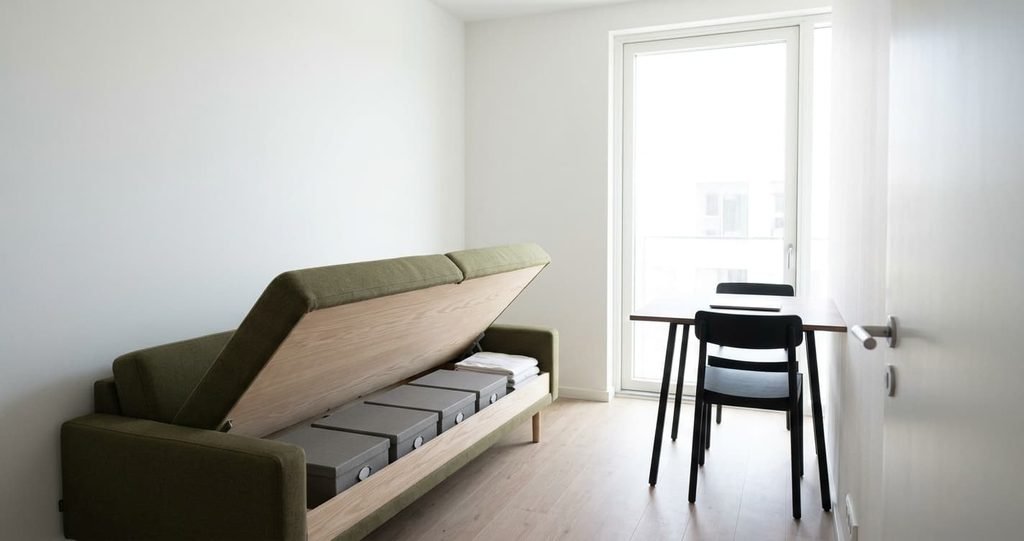
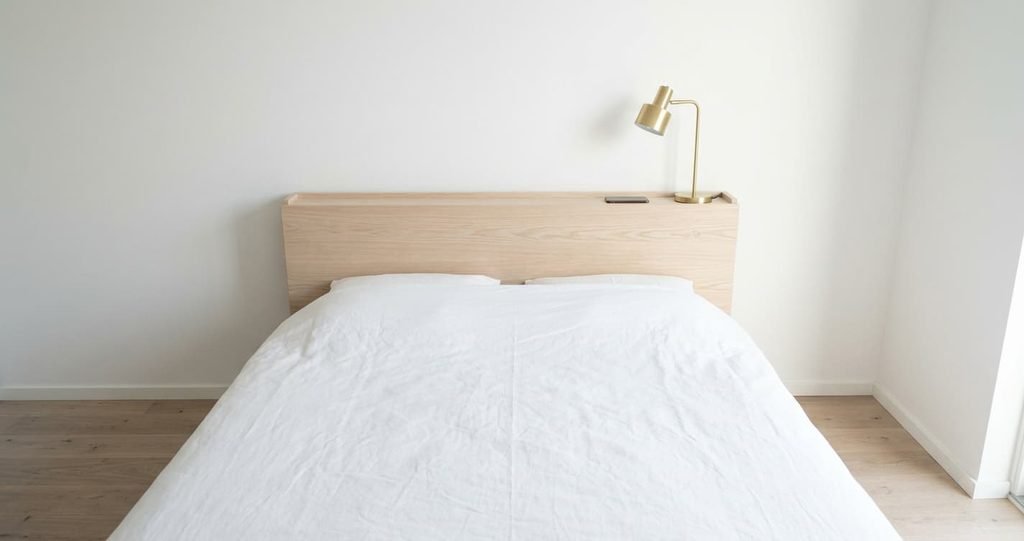
Now the new set. The same sofa gets a storage base, so it keeps its 1.71 m². One table of 120 by 70 cm serves as desk and dining table. It takes 0.84 m². A headboard with a shelf carries the lamp and the phone, and it adds no floor. The three pieces take 2.55 m², or 14% of the floor. That is 1.29 m² saved, about a third of the old set’s footprint.
The storage volume tells the same story. A cavity under the sofa seat of 190 by 70 cm and 25 cm high holds 0.33 m³. The chest’s four drawers, each 14 cm deep inside, hold 0.25 m³. The sofa base holds more in floor that already exists.
One height does both jobs. A top at 75 cm suits a chair seat at 45 cm, because the elbow rests about 30 cm above the seat. That is why a single table can be a desk and a dining table.
Who it suits, and who it doesn’t
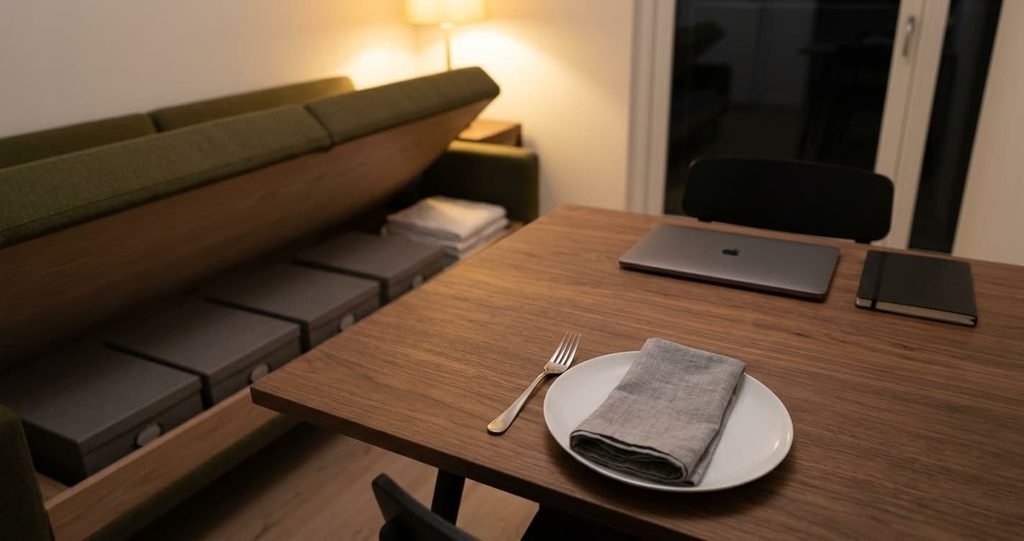
It suits one person who works at home by day and eats there in the evening. Work ends before dinner, so the table changes jobs once and never serves both at the same moment. A renter suits it too, because every piece here stands free and leaves with you. A person who owns little suits it as well, since the sofa base can take the spare bedding that would otherwise fill a chest.
It doesn’t suit two people who work at the same time. One table of 120 by 70 cm gives each person 60 cm, which is the width a laptop and a mouse need and nothing more. It doesn’t suit a person who works in the evening either. Say work runs from 17:00 to 21:00 and dinner sits on the table from 19:00 to 21:00. The two jobs then claim the table together for two hours a day.
A shared table also fails when work has to stay out overnight. A set of printed papers laid across it can’t go back into a drawer, so the morning meal moves to the sofa. If that sounds like your week, a second surface earns its footprint.
Count your own overlap before you buy. Write the hours of each job for one ordinary week. Wherever two jobs claim the same piece at the same hour, you need a second surface.
The test costs a pencil and one week.
Is it worth adopting
Adopt it for pieces whose two jobs never overlap in time. The sofa base passes that test without effort, since nobody uses the seat and the bedding store at once. The table passes only if your hours do. A headboard shelf passes too. The lamp and the phone are only needed when the bed is.
The commitment is small. A freestanding piece costs you a resale or a move, and it doesn’t alter the room. A built-in unit stays when you go.
What would make a two-job piece date is a mechanism that moves for every use. A finish that belongs to one period dates it too, and so does a fixed fitting that can’t leave with you. Check them in the shop.
If the arithmetic fails in your hours, a sofa with a good store still works as a sofa, and nothing is lost.
The version that will date fastest
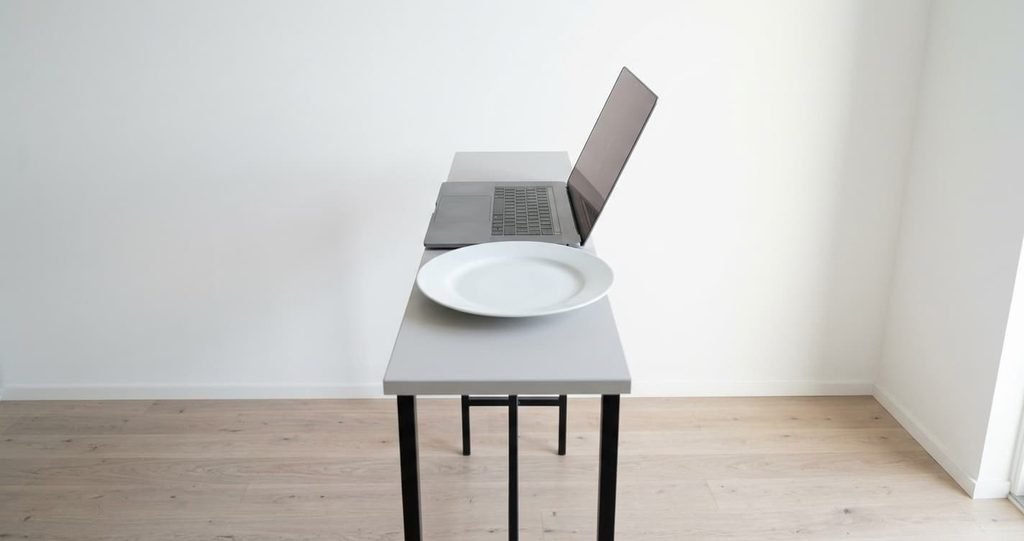
The shrunk-to-fit surface is the extreme version. It claims two jobs for a top that is too small for either. A top of 90 by 40 cm sold as desk and dining table is the example. A laptop needs about 60 cm of depth, and a place setting needs about 60 cm of width and 35 cm of depth per diner. At 40 cm deep, the top fails the laptop and crowds the plate. Its area is 0.36 m², less than half of the 0.84 m² that a 120 by 70 cm top gives. It frees 0.48 m² of floor on paper, yet nobody can use the surface for either job.
The moderate version sizes the top for the harder job first. A top of 120 by 70 cm clears the laptop’s 60 cm of depth with 10 cm to spare, and it seats two diners at 60 cm each. Furniture with two jobs works when each job still gets its minimum. A top that fails its harder job has only moved the problem.
How to try it without committing
Run a one-week hour map first. Write down each hour you use the table for work and each hour you use it to eat, then count the overlaps. It shows whether one table can carry both.
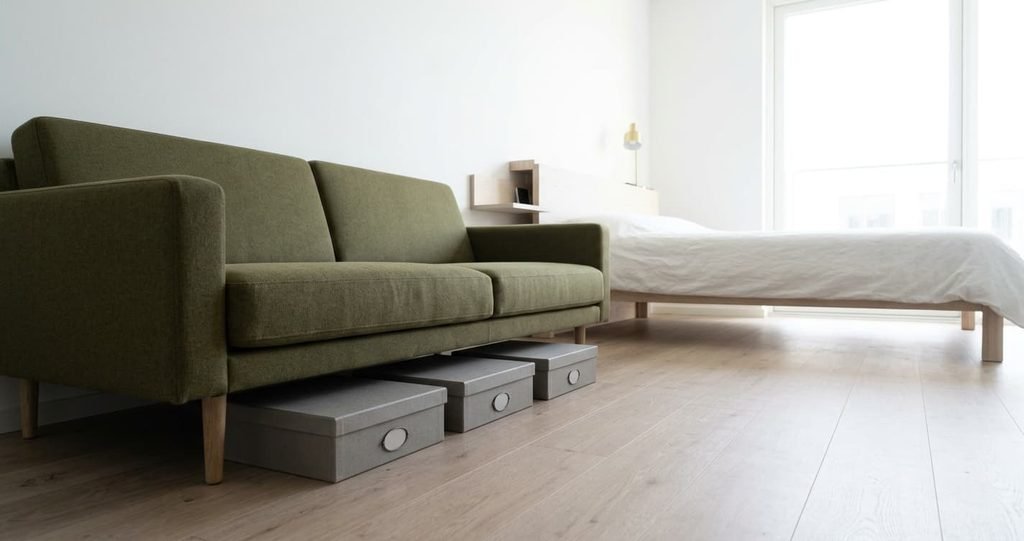
Next, measure the gap under your sofa. If it’s 15 cm or more, slide in flat lidded boxes and move the chest’s contents there for a month. That tests the storage idea with no purchase.
Last, retire one bedside table for a month and put a wall-mounted shelf where it stood. If the lamp and the phone sit well on it, the second table was floor you didn’t need.
Furniture with two jobs rewards one habit: sizing each surface for its harder job and checking the hours. The floor saving is 1.29 m² in this studio, about a third of the old set’s footprint. Keep the piece with a single job wherever two jobs claim it at once. Begin with the hour map this week, because it shows which pieces can share.
Questions readers keep asking
Can one table stand in for a desk and a dining table?
Replace them only if your work hours and meal hours never overlap. A top of 120 by 70 cm serves both. If you work at the table in the evening, keep the desk, because you can’t clear a screen and a plate at once.
Who is furniture with two jobs for?
It suits one person in a studio who wants more floor. A single sleeper working by day and eating at night fits the pattern best. Two people working at once need a second surface, and a household that hosts dinner for four needs a bigger table.
Will furniture with two jobs last?
A piece with no moving parts lasts as long as any furniture. Only the lid or the top wears. A piece with hinges or struts wears by the number of times it moves. Judge a two-job piece by its mechanism, and avoid those with one for every job.