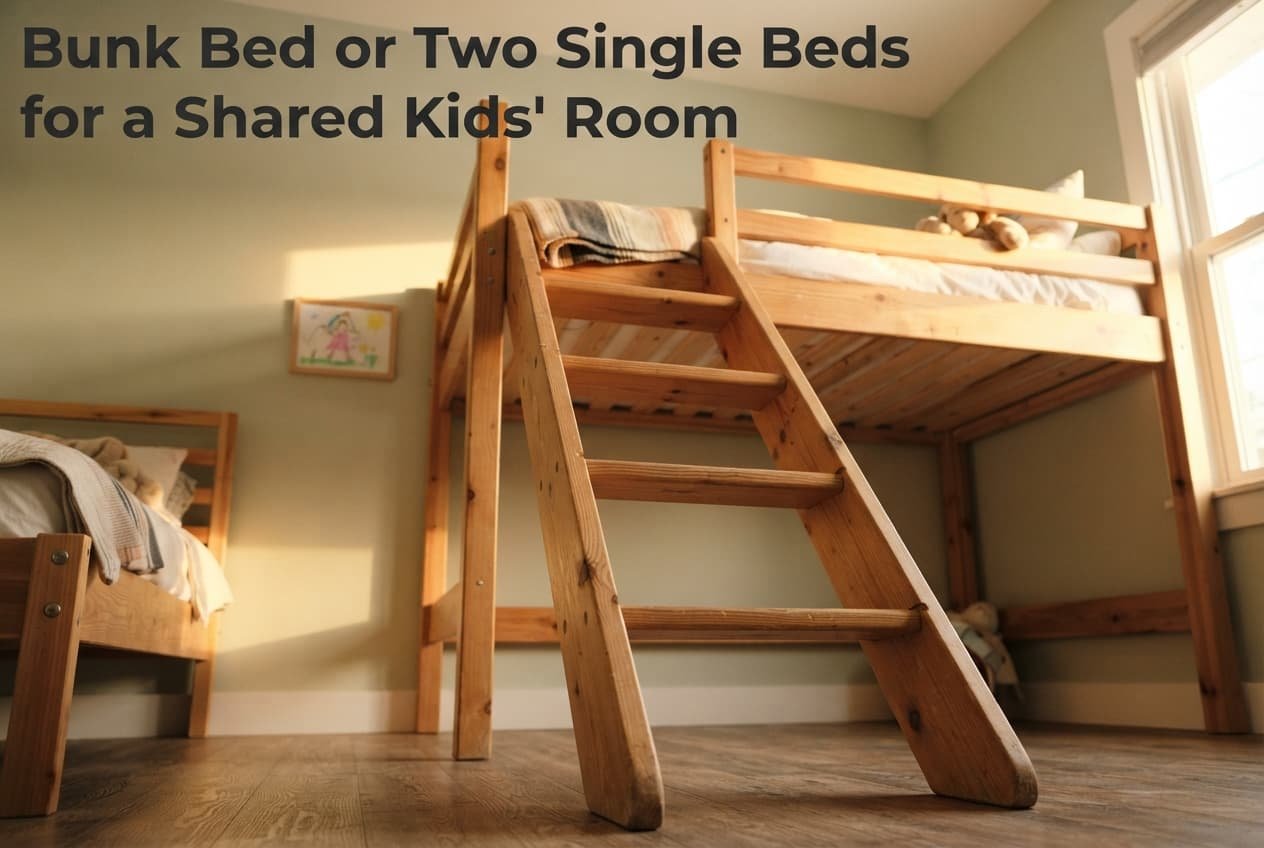
The right choice for a genuinely shared kids’ room isn’t decided by which one looks more charming in a catalogue photo – it’s decided by how each one actually fits your specific room’s dimensions and your children’s genuine ages and temperaments once it’s part of daily life. A bunk bed and two single beds solve genuinely different practical needs, and choosing based purely on current trend alone misses what actually determines whether either one genuinely works well for your specific household.
The one property that decides it
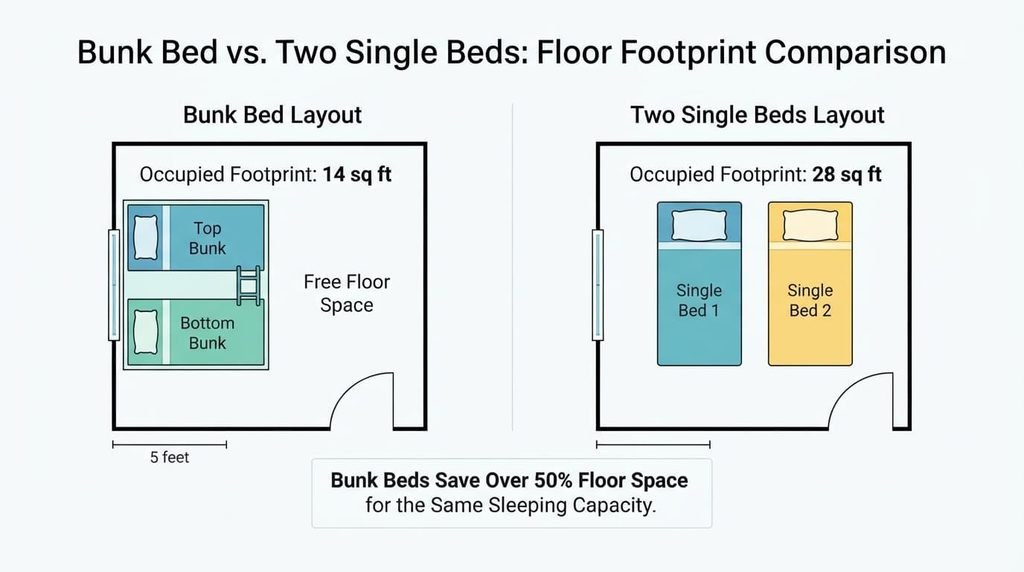
The deciding factor is how much genuine floor space your shared room actually has relative to your children’s other space needs, not simply which option is currently more popular in kids’ room design. A bunk bed uses considerably less floor footprint for the same number of sleeping spaces, while two single beds require more floor space but avoid the specific considerations bunk beds introduce around height, climbing, and age-appropriateness.
This matters because a genuinely small shared room makes this trade-off considerably more consequential than it would be in a spacious one – choosing two single beds in a genuinely tight room sacrifices meaningful floor space for play and movement that a bunk bed’s smaller footprint would otherwise preserve.
Head to head
| Bunk Bed | Two Single Beds | |
|---|---|---|
| Floor space used | Lower | Higher |
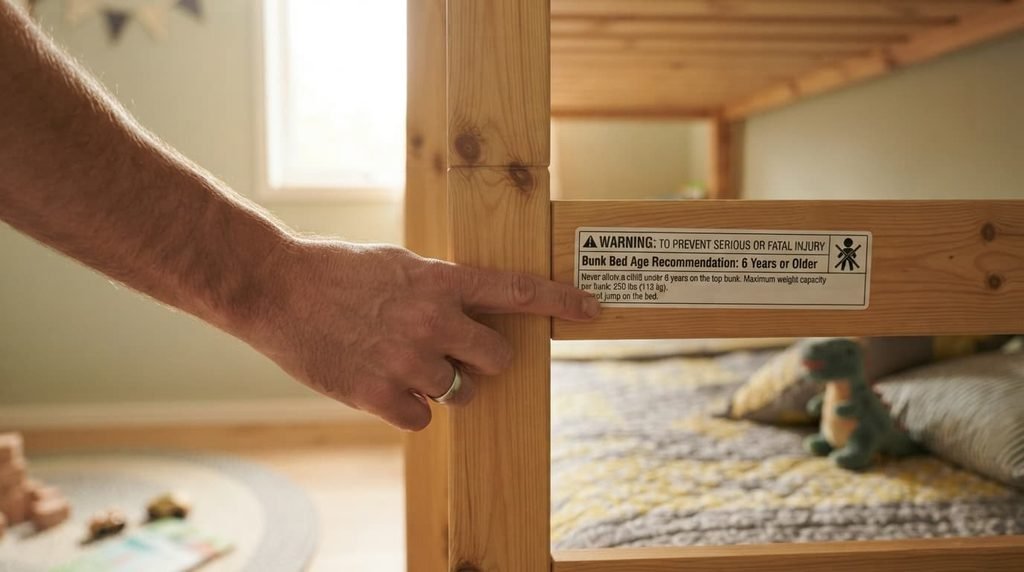
| Meets age guidance | Top bunk has age guidance | No specific age restriction |
| Climbing required | Yes, for top bunk | No |
| Space apart | Less physical separation | More physical separation |
| Easy to rearrange | Lower | Higher |
| Typical cost | Varies | Varies |
The row that surprises people most is flexibility to rearrange later specifically. Many assume a bunk bed is always the more space-efficient long-term choice, but two single beds can typically be rearranged into different room configurations far more easily than a fixed bunk structure, which matters more than it might initially seem once your children’s needs or the room’s use genuinely changes over time.
Where a bunk bed wins
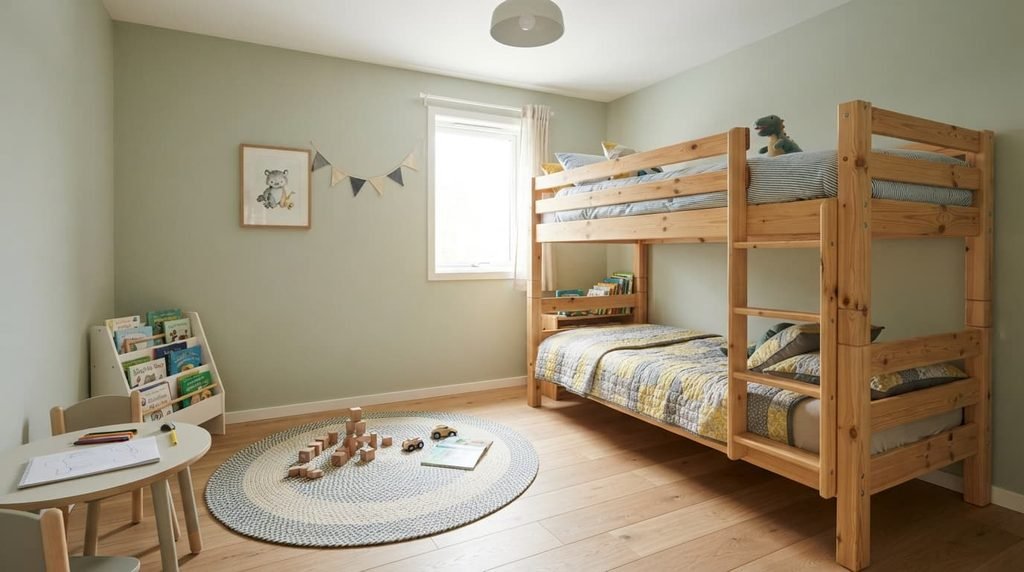
Anyone with a shared room genuinely limited in floor space benefits from a bunk bed’s more efficient use of that limited area, since the freed-up floor space directly supports play, movement, or additional furniture a room with two single beds side by side simply couldn’t accommodate as comfortably. The unglamorous reason: a bunk bed can also feel genuinely exciting and novel for children who enjoy that specific format, which matters more than it might initially seem for making a shared arrangement feel like a positive choice rather than a compromise.
Anyone with more than two children genuinely needing to share limited sleeping space also benefits from bunk beds’ stackable format, since some bunk configurations can accommodate more sleepers within roughly the same floor footprint two single beds alone would require for a considerably smaller number of children.
Where two single beds win
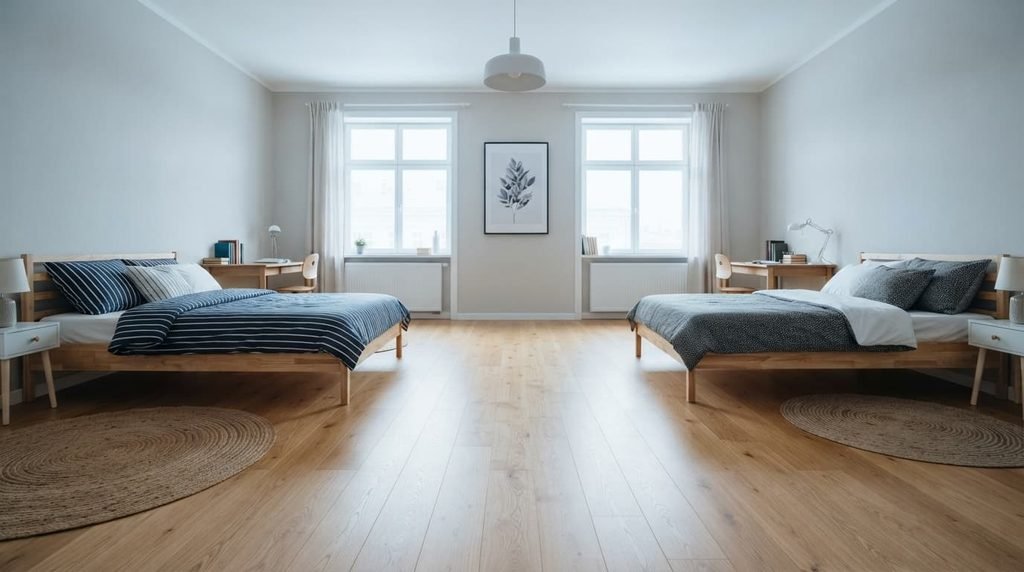
Anyone with children who genuinely need more physical separation while sleeping – different bedtime schedules, a child who’s easily disturbed by a sibling’s movement – benefits from two single beds’ greater physical distance and independence, since a bunk bed’s close vertical arrangement doesn’t provide this same separation regardless of how well-designed the structure is. The unglamorous reason: two single beds also avoid any climbing or top-bunk age consideration entirely, which matters more than it might initially seem for households with a child who’s simply not developmentally ready for the specific demands climbing to an elevated sleeping space involves.
Anyone whose children genuinely prefer having their own fully independent, personalised sleeping area also benefits from this same separation in a related way, since two single beds allow each child’s immediate sleeping space to reflect their own individual preferences more distinctly than a shared bunk structure’s more unified format typically allows.
When neither is right
Choosing a bunk bed purely because it’s currently trending in kids’ room design, without confirming both children are genuinely comfortable with the format and any age guidance for the top bunk is properly met, is worth ruling out regardless of the room’s floor space situation.
A bunk bed chosen without genuine consideration of both children’s actual comfort and age-appropriateness sacrifices a meaningful comfort and age-readiness consideration for a trend-driven choice, while a genuinely space-constrained room still deserves a bunk bed decision grounded in your own children’s actual readiness, not simply the format’s current popularity.
How to decide in thirty seconds
If your shared room is genuinely space-constrained, choose a bunk bed – provided both children are genuinely ready for it. Its efficient footprint directly addresses a floor-space limitation two single beds structurally can’t solve as effectively.
If your children genuinely need more physical separation, or the top-bunk age guidance isn’t yet met, choose two single beds. This directly addresses either concern in a way a bunk bed structurally can’t fully accommodate regardless of the room’s space situation.
What changes the answer later
A younger child reaching the age typically considered appropriate for a top bunk is worth reconsidering the choice at, since this specific developmental milestone directly affects whether a bunk bed genuinely meets the age guidance it didn’t previously meet.
A change in your children’s sleep patterns or genuine need for separation – one child’s schedule shifting considerably from the other’s, for instance – is also worth reconsidering the choice at, since the physical separation two single beds provide becomes more relevant once this specific need actually develops.
What people get wrong when making this choice
The most common mistake is assuming a bunk bed is automatically the “space-saving” choice worth pursuing regardless of the room’s actual dimensions, when a genuinely spacious shared room may not need this specific trade-off at all, making two single beds a perfectly reasonable choice even where floor space isn’t a genuine constraint.
Questions readers keep asking
Is there a general age guideline for which child should sleep on a bunk bed’s top level?
Yes, most bunk bed manufacturers do specify a minimum age for top-bunk use, typically around six years old, though checking your specific bed’s own manufacturer guidance directly is genuinely worth doing rather than assuming a universal standard applies to every single model.
Can two single beds later be converted into a different configuration as children grow?
Often yes, which is part of their genuine flexibility advantage – single beds can typically be rearranged, separated into different rooms, or replaced individually as needs change, without requiring the more involved disassembly a fixed bunk structure would require for a similar reconfiguration.
Do bunk beds have any specific structural details worth checking for beyond age guidance?
Yes, checking for a genuinely secure guardrail on the top bunk, a sturdy attachment between the ladder and frame, and following the manufacturer’s specific weight limits are all worth confirming directly, since these structural details matter as much as the age guideline itself for genuine day-to-day use.
Does a bunk bed genuinely save money compared to buying two single beds?
Not necessarily at all – cost genuinely varies considerably by specific product and quality level on both sides, so comparing actual prices for the specific options you’re considering, rather than assuming one format is inherently cheaper, is worth doing directly before deciding based on cost specifically.