Alternatives to an audiobook subscription start with one plain question: which titles have you already paid for, and can they leave the app? The monthly fee is easy to see, yet the library behind it decides how a switch goes. Our example is Hannah, a commuter in Leeds who rides a train for 40 minutes each way. Three replacements follow, each giving up something different, and then come the cost at month three. A four week sequence follows, and after it the export that protects your titles. The aim is to decide which loss costs you least before you cancel anything. All figures are invented for one listener.
What Alternatives to an Audiobook Subscription Must Carry Over
A listening app holds many small features, and one of them outweighs the rest. Your library of paid-for titles is the thing to protect, because each title cost real money and can’t be rebuilt in an evening. Hannah owns 14 titles, and she’s partway through three of them.
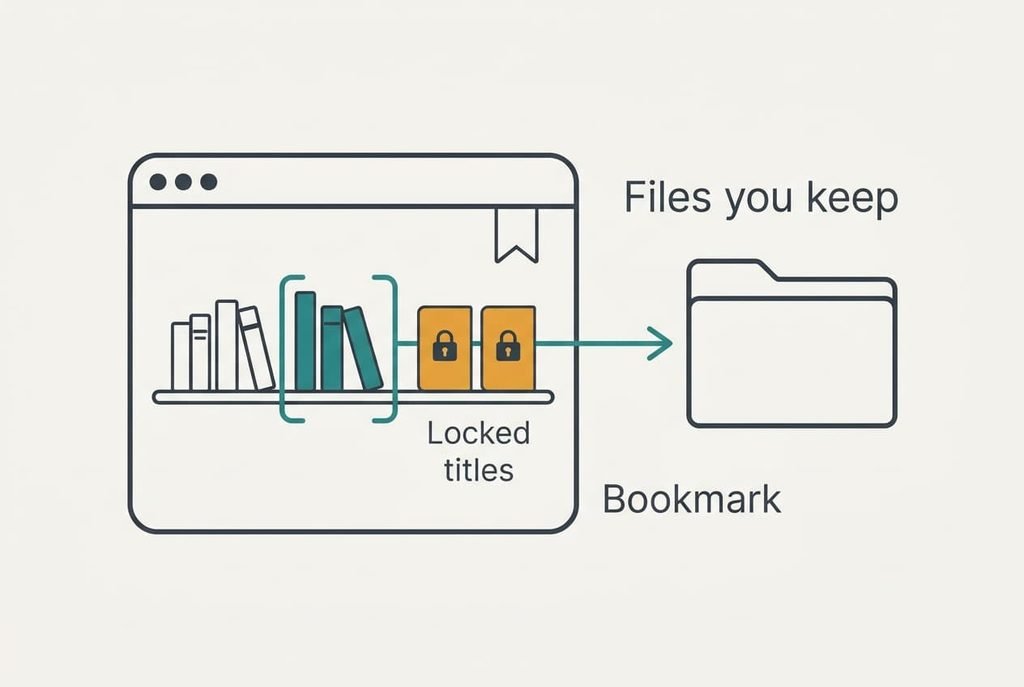
Those 14 are the payload, and whether they travel depends on how each file was sold. Some stores hand over a file you can keep. Others lock a title to their own app. Open your account page and look for a download option beside every book, because a title without one stays behind the day you cancel.
The convenience stays behind either way. Recommendations and listening statistics normally live inside the app, along with the bookmark in each unfinished book. Any unspent credit may lapse too, so check the terms before you cancel.
Now size the habit. Hannah rides five days a week and listens for about 400 minutes, or 6.7 hours. Over a month that’s roughly 29 hours, which is three titles of ten hours each, so one title a month covers only a third of what she plays.
Three Ways to Keep Listening Without an Audiobook Subscription
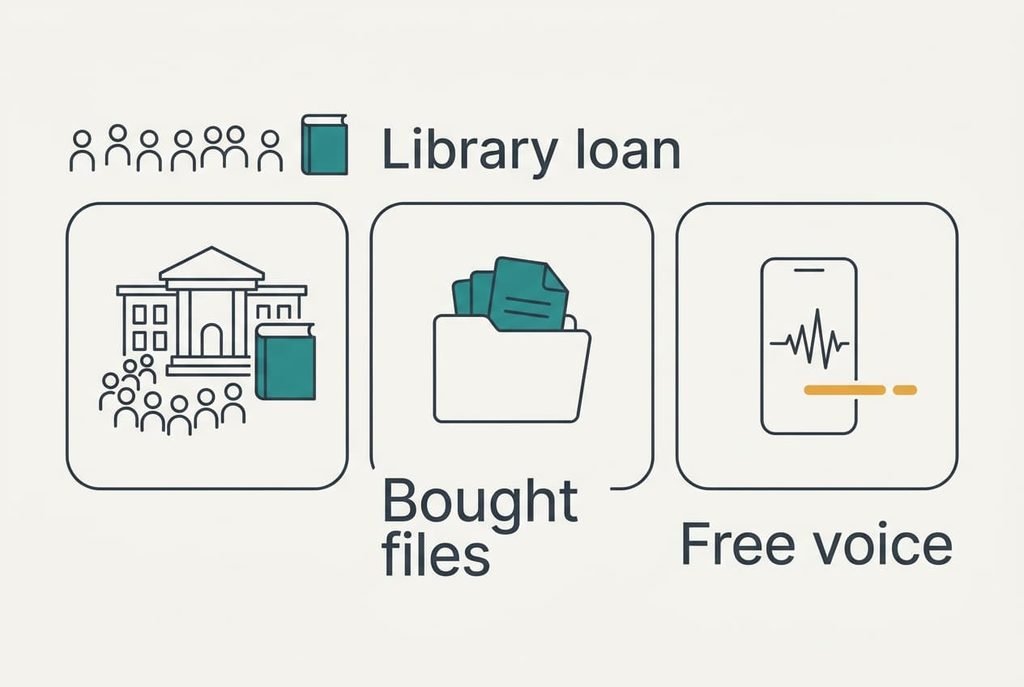
1. Money: borrow from a public library through its lending app or website. This suits a heavy listener who wants to spend nothing. The price is waiting. Popular titles queue, and each loan lasts a few weeks. Your 14 owned titles stay where they are, and borrowed ones appear beside them while the loan runs. The failure comes when a loan ends mid-book. A story of 24 hours can’t fit a loan of 21 days at 6.7 hours a week, so place a hold early on anything long. Libraries differ in how many titles you can hold at once, so check the limit before you plan a long run of holds.
2. Effort: buy single titles as downloadable files and keep them in a player you choose. This suits someone who finishes about one book a month and likes to own what they buy. The price is effort, since each title is bought separately and the files need a folder and a backup. Exported titles land in that folder, and new purchases join them. The failure is a bookmark lost when you change players, so jot down the chapter before any switch. A folder named by author and title keeps the files findable, and a spare copy elsewhere covers a lost phone.
3. Feature loss: free recordings of older books, plus your phone’s own voice reading e-books aloud. This suits a listener who can live without new releases. Older recordings also suit a commute, since you can drop one the moment the reader’s voice grates. You lose professional narration, and volunteer recordings vary in quality. Your owned titles aren’t touched, because this option sits alongside them. The weak point is a long novel, where a flat synthetic voice tires you within an hour or two.
Alternatives to an audiobook subscription pay off once you know which of the three losses you can bear. The listener who wants no spending at all, and tolerates queues, will be happiest with the first.
Month Three: What Going Without Costs You
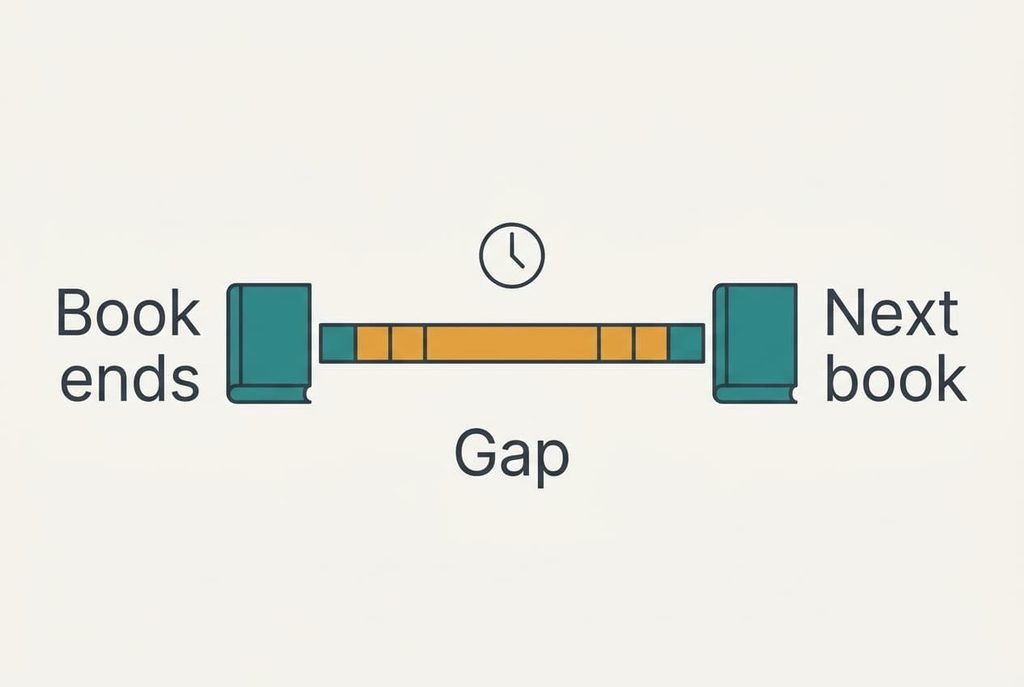
In week one the change feels trivial, and by month three a different cost has appeared. It’s the gap between finishing one book and starting the next. A subscription delivers the next title without any thought. Without it, someone must pick a title and queue for it, and that errand slips down the list. Hannah noticed on a Monday, when her train ride passed in silence for the second time. She had no book ready, and no hold had arrived yet.
Each option pays in its own coin. Borrowing costs patience while a wanted title waits in a queue. Buying files costs a small decision every few weeks, and free recordings cost narration quality.
Expect about two silent commutes a month at first. Each commute is 80 minutes there and back, so that’s roughly 160 minutes of lost listening.
Place the next hold or purchase while the current book still has a chapter to run.
Moving Over in Four Weeks
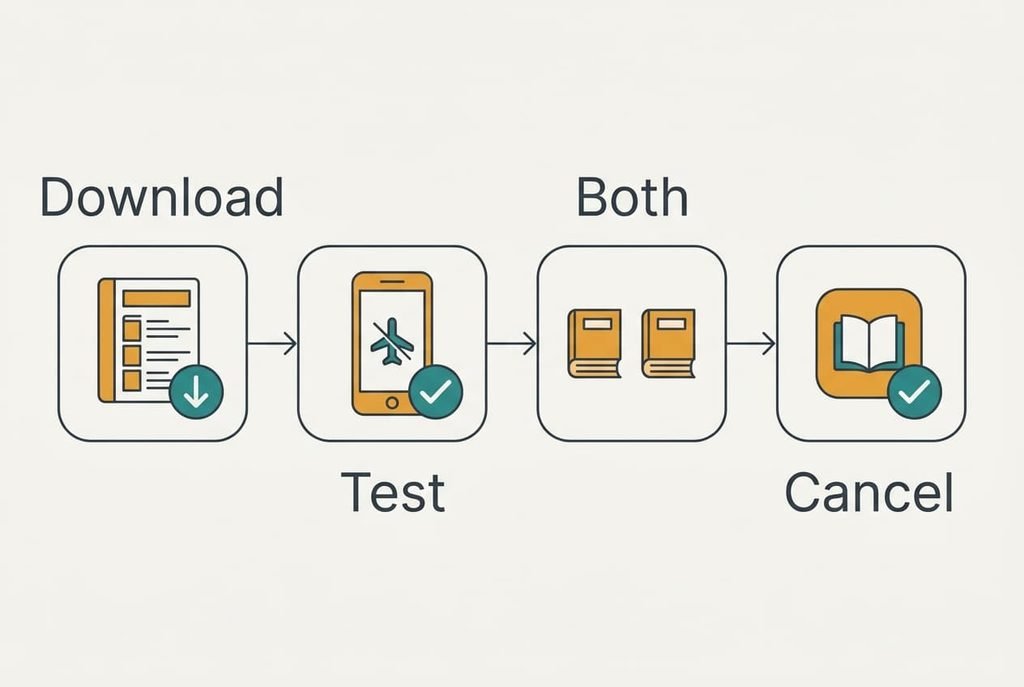
Begin with a list of the 14 titles and mark each one that offers a download. Save those files and play one in a different player, keeping the subscription running while you do. Keep a sheet of paper beside you and tick each title as its file is saved. In the second week, place holds at the library for two titles and write down the chapter reached in each unfinished book, since no bookmark travels. If a hold drags on, the old app is still there as a fallback. Do the library step early, since a queue for a popular title can outlast the rest of the move. In week three, finish the three part-read titles in whichever player holds them. In week four, cancel the day after the last unfinished book ends, provided the saved files still play offline.
When to Stay With the Subscription
If your titles are locked to the app and you listen on most days, keep the subscription. A locked title can’t leave, so cancelling turns 14 purchases into nothing. The same holds when you finish more than three books a month. Queues and single purchases then demand more attention than the fee saves. Price matters less here than reach, since a service that locks your library hands you a reason to stay that no queue can match.
The service also wins when your taste runs to new releases. A library queue for a recent title can last weeks, and a flat voice won’t stand in for a trained narrator on a story of 20 hours.
Alternatives to an audiobook subscription suit lighter listeners better, and staying is a sound answer for everyone else. If you stay, spend each month’s credit before it lapses, and delete the titles you’ve finished so the library stays easy to scan.
Saving Your Library Before You Leave
Download every title you own and play one file in a different player before you cancel, because that test shows whether the file is truly yours. Put your phone in flight mode for it, so a quiet cloud copy can’t fool you into thinking the file works.
If a file won’t play elsewhere, the title was never yours to move.
Rename each file with the author and title. That takes seconds and saves a search later. Count the files against the 14 on your list, then count again in the new folder. A library that loses three titles is costly to rebuild. Note the chapter of each unfinished book, since a bookmark can’t be exported.
Alternatives to an audiobook subscription are easy to try once the library is safe. Choose an evening with no plans, keep your list beside you, then tick off each title as its file plays. Half an hour is usually enough. Mark a date a month ahead to check that you still listen as much as before.
Questions Readers Keep Asking
Will my audiobooks transfer if I cancel?
Only the ones you can download as files. Look for a download option on each title’s page, then play one file in a different player. Titles locked to the app stay behind. Your place in each book stays too, so write the chapter down before you leave.
Does going without a subscription cost less?
Usually, in relative terms. Library borrowing costs nothing, and single purchases cost only when you buy. The hidden price is attention, since a gap of a few days between books is common. If you finish a book every week, the subscription may still be the better value.
Is it worth the disruption for a daily commuter?
Only if you listen less than the subscription assumes. A commuter who finishes one book a month and leaves credits unspent saves effort by switching. One who listens daily and owns locked titles should stay, because the switch would cost more attention than the fee does.