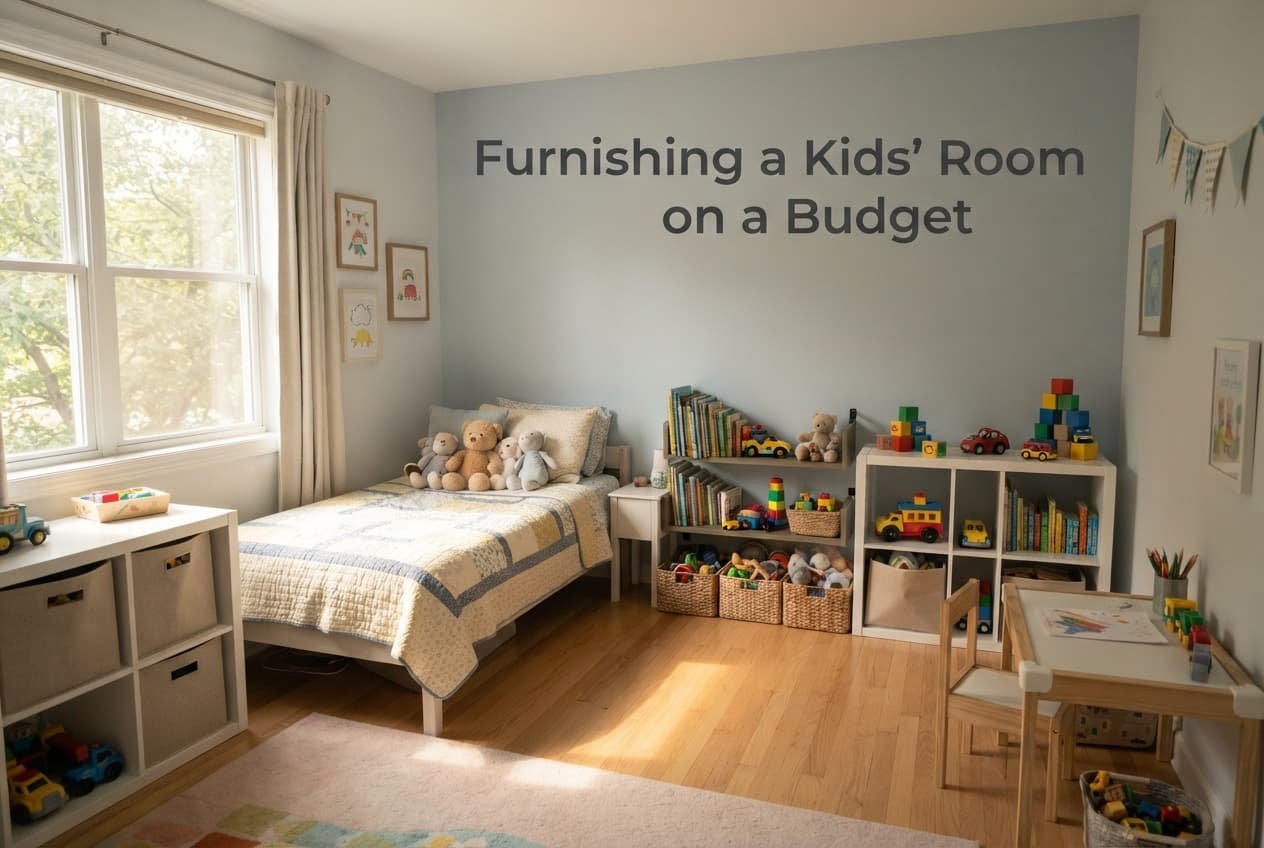
Furnishing a kids’ room on a genuinely tight budget isn’t about finding the cheapest version of every single item – it’s about identifying which single element genuinely deserves most of your available spending, and which pieces can be genuinely modest without affecting your child’s actual daily comfort or genuine safety. A kids’ room with a limited budget spread evenly across every category often produces a weaker result than one built around a single deliberate investment.
What actually decides this
The deciding factor is which specific element most directly affects your child’s genuine safety and daily comfort, not simply how much visible change any given purchase produces. A genuinely safe, properly secured sleeping setup directly determines your child’s actual wellbeing in a way decorative elements or an elaborate theme simply don’t, mattering considerably more than most other spending decisions in this room.
This single distinction should guide nearly every purchase decision below: spend where genuine safety and daily comfort actually depend on it, and treat everything else as a place to keep modest without meaningful compromise to how the room actually functions.
What to prioritise, in order
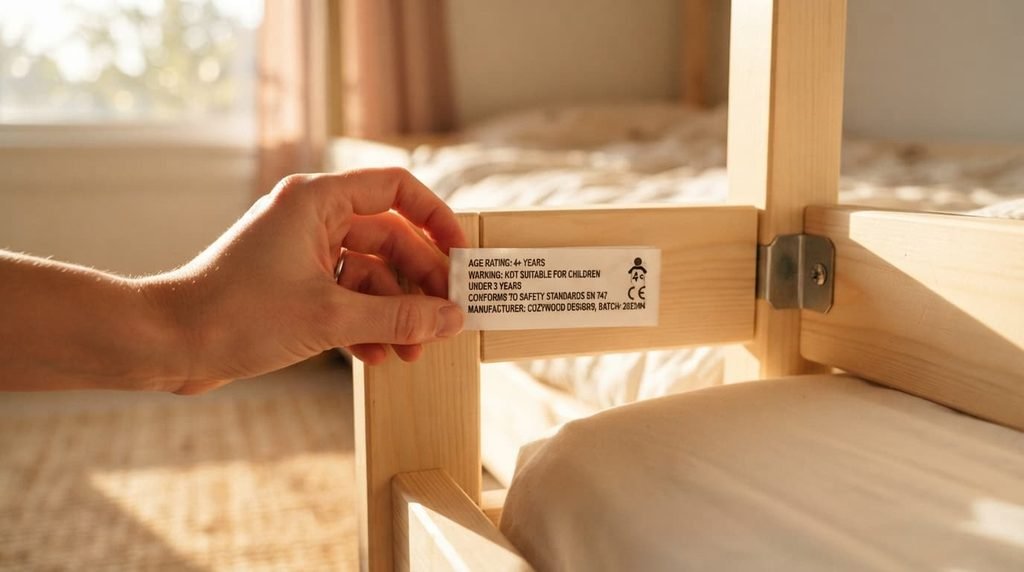
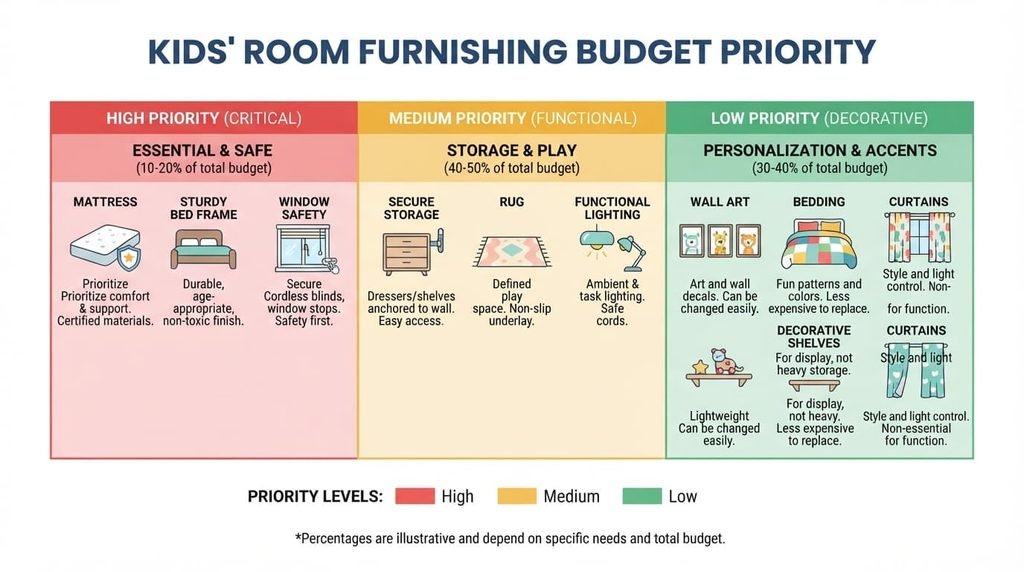
1. A genuinely safe, properly rated bed or sleeping setup for your child’s specific age. This deserves the largest share of a limited budget, since your child’s actual physical safety during sleep directly depends on this choice, mattering more than any other single purchase in this room regardless of how much you’d otherwise prefer to spend elsewhere.
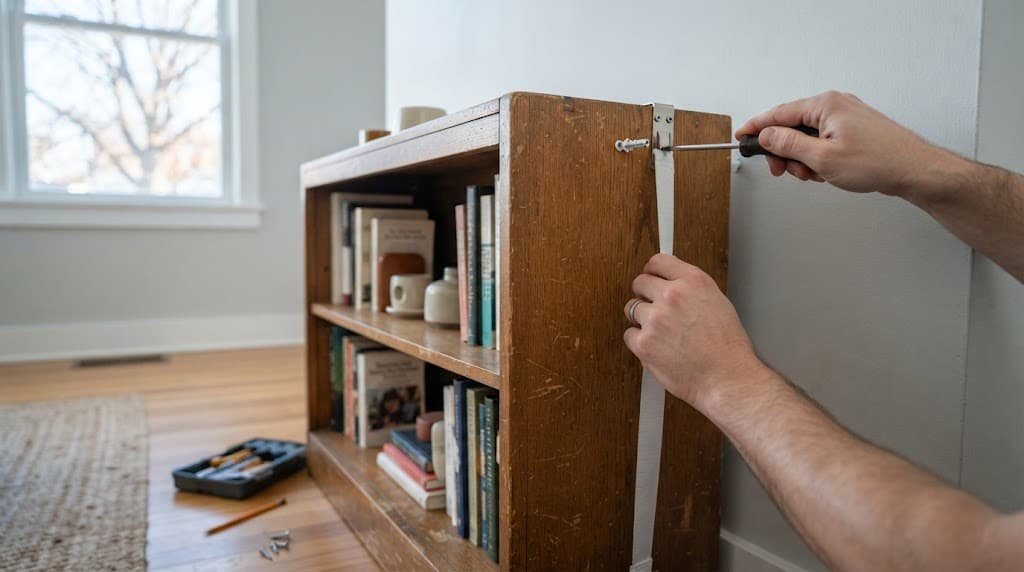
2. Secure, properly anchored storage furniture specifically. This is the second-largest justified expense, since furniture anchoring directly addresses a genuine safety consideration for an exploratory, climbing-prone age range, mattering more for daily wellbeing than decorative storage choices elsewhere in the room.
3. Adequate, adjustable lighting for both play and bedtime. A room needs sufficient lighting for genuine daily function – homework, play, bedtime routines – so prioritising adequate, adjustable lighting over decorative fixtures serves your child’s actual daily needs better for comparable spending.
4. Flexible, easily updated storage for the constantly changing volume of a child’s belongings. A modest addition to the total budget that meaningfully reduces the ongoing friction of a growing, changing collection of toys, clothes, and books without requiring a full storage overhaul each time your child’s needs shift.
5. Purely decorative elements – elaborate themed decor, ornamental objects with no functional role. These belong last specifically because they carry the least weight in determining whether the room actually supports your child’s genuine safety and daily comfort; a modest option performs nearly as well as an expensive one here, making this the easiest category to genuinely economise on.
Where secondhand genuinely makes sense
Furniture without direct safety implications – a dresser, a bookshelf, a desk – is a genuinely reasonable category to consider secondhand, since well-built frame construction holds up well over time and doesn’t carry the same specific safety standard concerns sleeping furniture does. Checking carefully for stability and any significant structural wear before actually committing covers most of the genuine risk this category presents, and remember that even secondhand storage furniture should still be properly anchored once in place.
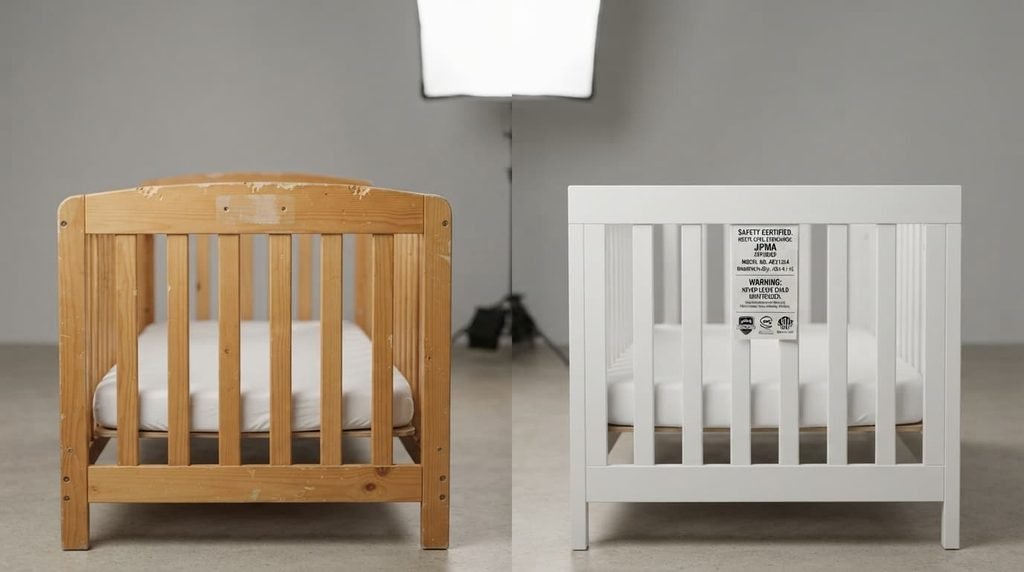
Sleeping furniture and anything with specific safety-standard requirements – beds, cribs, furniture with movable or adjustable components – are a meaningfully weaker secondhand category specifically for this room, given the genuine safety considerations covered in the priorities above. New purchases with clear manufacturer documentation are the more reasonable choice for this particular category despite the higher cost.
What doesn’t matter as much as it’s made out to
An elaborate, fully themed room built around one specific current character or interest is oversold for budget furnishing specifically, and it’s one of the first things kids’ room guides recommend. A fully themed room often costs considerably more in total than a more neutral foundation with easily swapped smaller accents, since the themed elements typically need full replacement once that particular interest naturally passes, a cost few themed-room guides account for honestly.
Premium, elaborately finished furniture gets far more budget attention than it deserves relative to the safety and lighting priorities above. A beautifully finished bed frame that isn’t properly rated or secured for your child’s age still poses a genuine safety concern regardless of its visual appeal, while a plain, properly rated setup supports actual daily wellbeing considerably better for comparable overall spending.
Matching the choice to your situation
If you’re furnishing entirely from scratch for a young child specifically, prioritise the safety-related purchases first and treat decorative elements as genuinely optional initially – a bare wall costs you nothing functionally, while an improperly rated bed or unanchored furniture affects your child’s actual wellbeing from the very beginning.
If you already have functional furniture but the room’s lighting or storage genuinely isn’t working well, prioritise those specific changes before replacing furniture that’s already safe and functional, since these elements often address the actual daily friction more directly and affordably than furniture replacement would.
What to walk away from
Any secondhand crib, bed, or sleeping furniture with unclear safety history or missing manufacturer information, chosen purely because it’s cheaper than a properly documented option, should end your interest immediately regardless of the price difference.
Sleeping furniture safety standards genuinely and truly matter, and this is a case where the cheaper, undocumented option isn’t a reasonable budget trade-off at all – it’s genuinely worth spending appropriately here specifically, even while economising elsewhere throughout the rest of the room.
The check before you commit
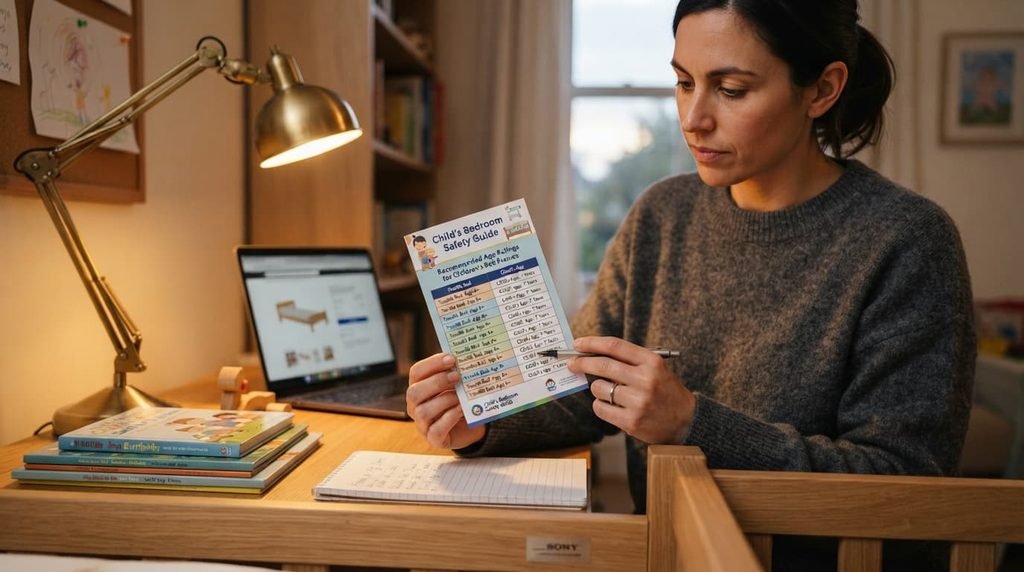
Before finalising any bed or sleeping furniture purchase, confirm it’s genuinely rated appropriately for your child’s specific current age, checking this detail directly rather than assuming any attractive option is automatically suitable.
This single check genuinely matters more here than in most other budget categories covered above, since sleeping furniture involves a genuine safety consideration that other budget kids’ room purchases simply don’t carry to quite the same degree.
Questions readers keep asking
What’s the single most impactful budget purchase for a kids’ room?
A genuinely safe, properly age-rated sleeping setup deserves the largest share of your available budget, since it directly determines your child’s actual daily wellbeing in a way almost nothing else in the room affects to the same degree.
Is it worth buying a fully themed furniture set to save money overall?
Not necessarily – fully themed sets often cost more in total once you account for the full replacement they’ll likely need once that particular interest passes, particularly compared to a more neutral foundation with easily swapped smaller decorative accents.
Should I prioritise furniture anchoring or the bed itself if I can only afford one right now?
Both are genuinely and equally important safety considerations, but if you genuinely must sequence spending, a properly age-rated sleeping setup typically takes clear priority since it directly involves where your child spends extended, unsupervised time, while furniture anchoring, though genuinely quite important, can often be addressed shortly afterward with simple, genuinely low-cost anchoring hardware.
How can I furnish a kids’ room affordably without compromising on safety?
Prioritising genuinely safety-relevant purchases – the bed, furniture anchoring – first, then treating decorative and purely aesthetic elements as the place to genuinely economise, lets you maintain safety standards without requiring a large overall budget.