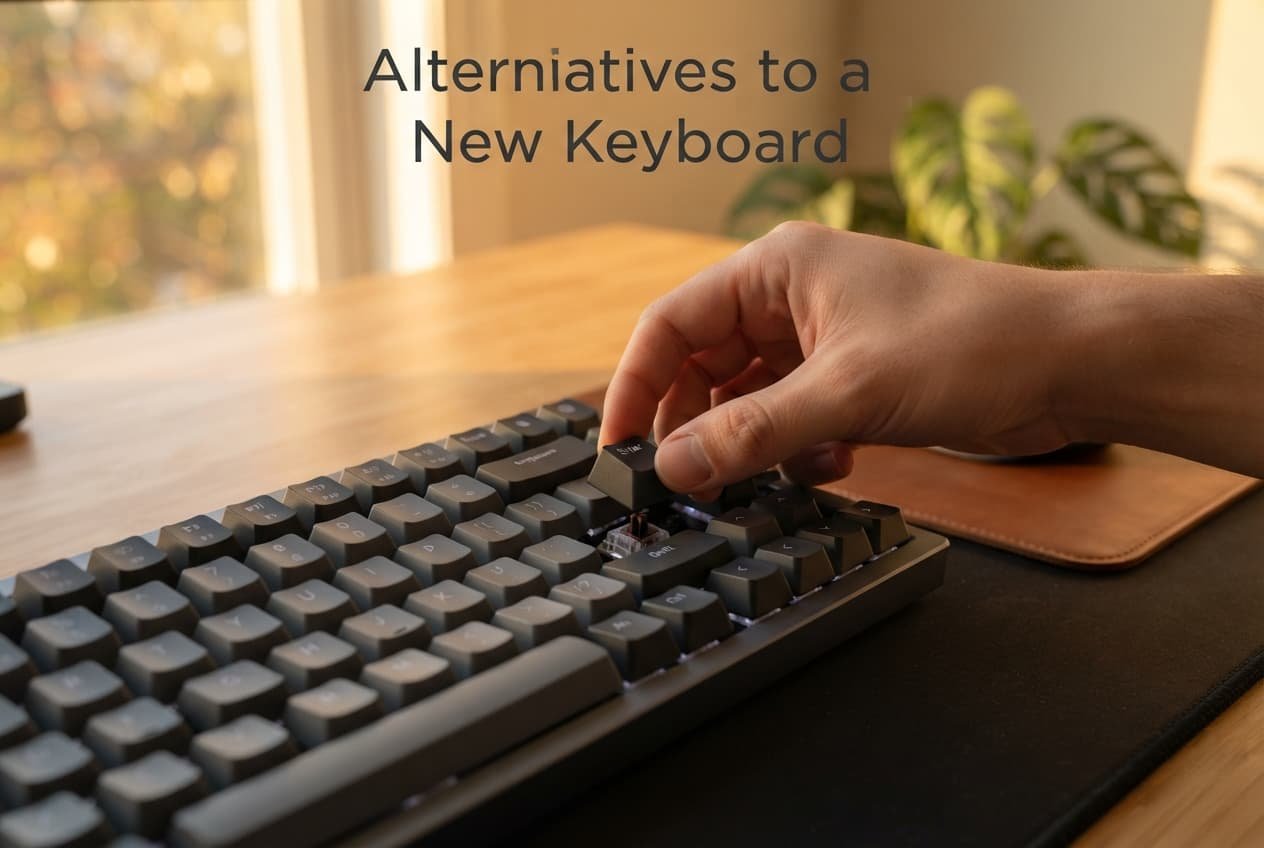
Buying a new keyboard genuinely is the most straightforward way to address a keyboard that’s started bothering you in some way, and there’s absolutely nothing wrong with choosing that particular option – but “most straightforward” and “the only genuinely necessary option” are quite different things, and the gap between them is exactly where the case for a genuine alternative starts to make sense. If your current keyboard still mostly works but has developed some specific annoyance, the realistic path depends on understanding what’s actually bothering you and what each alternative trades away to address it differently.
What’s actually bothering you about your current keyboard
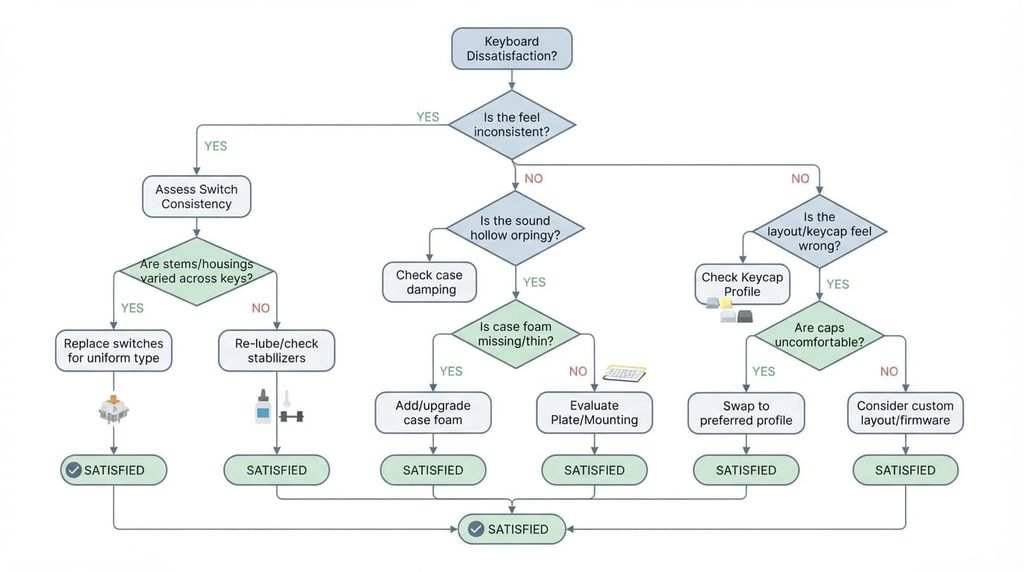
The core issue often isn’t genuinely that your entire keyboard has failed – it’s typically one specific, identifiable annoyance within an otherwise still-functional device. This matters because purchasing an entirely new keyboard addresses every aspect of the typing experience simultaneously, while doing nothing to specifically target the one actual issue that’s genuinely bothering you if the rest of the keyboard remains perfectly satisfactory.
This specific distinction is where the case for alternatives begins. Identifying precisely what’s bothering you – a specific key’s feel, overall noise level, physical wear – changes which alternative, if any, might resolve your actual situation more efficiently than full replacement would.
The kinds of alternative, and what each costs you
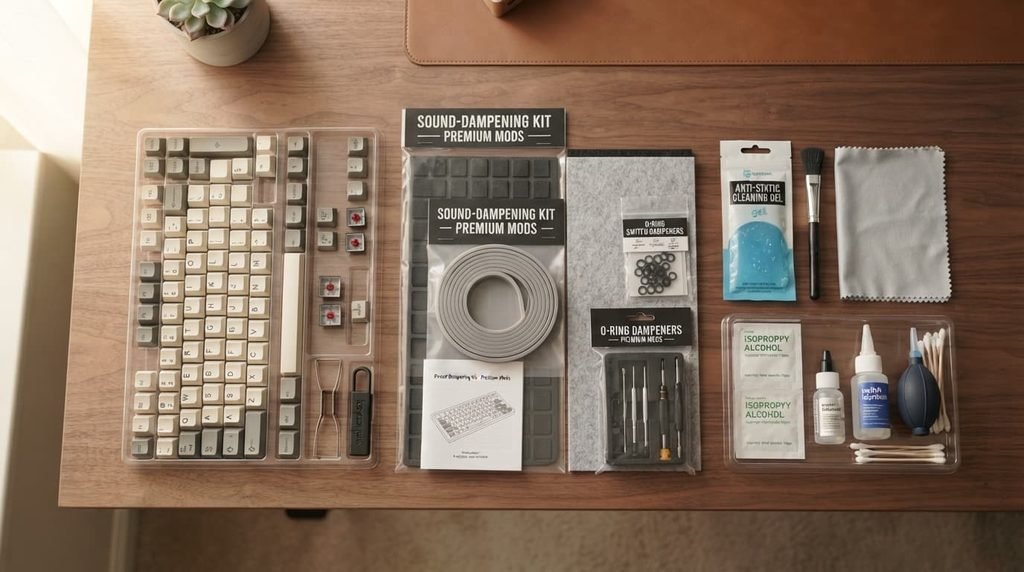
Replacing or upgrading specific keycaps genuinely bothering you, rather than the entire keyboard. This directly addresses issues specifically related to key feel or appearance for particular keys, without the cost or adjustment period a full replacement requires. The trade-off: this only addresses keycap-related characteristics specifically, doing nothing for underlying switch-level or overall keyboard issues that keycaps alone don’t actually change.
Adding sound-dampening modifications specifically if noise is your actual primary concern. This directly addresses excessive noise without replacing keys or switches that might otherwise feel perfectly fine to you. The trade-off: this requires some genuine technical comfort and effort to implement properly, and results vary depending on your specific keyboard’s actual construction and the modification method used.
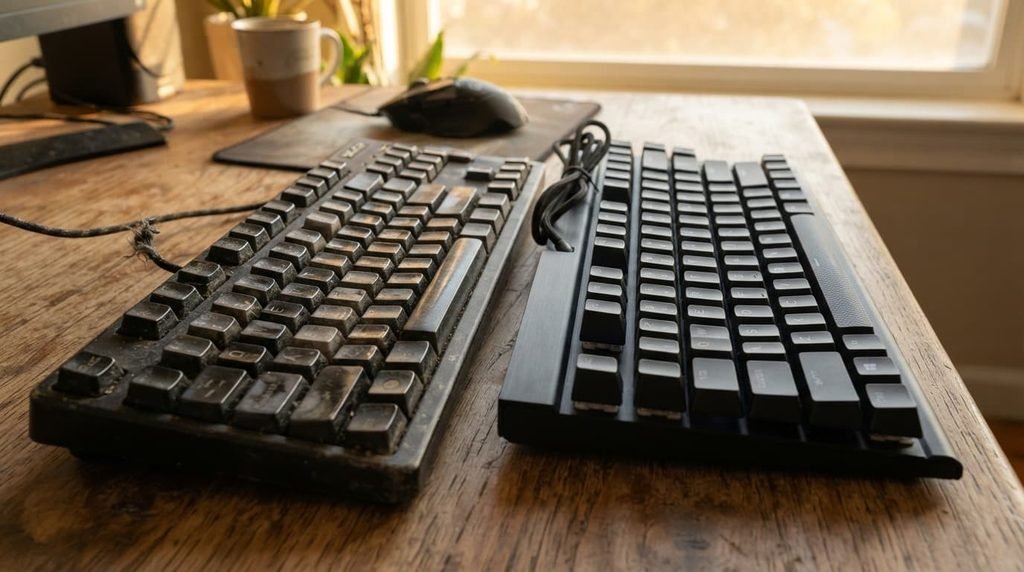
Thoroughly cleaning and servicing your existing keyboard specifically if the issue stems from accumulated debris or wear rather than a genuine fundamental design limitation. This directly addresses issues that develop over time through use, potentially restoring much of your keyboard’s original feel without any purchase at all. The trade-off: this won’t resolve issues genuinely inherent to your keyboard’s fundamental design or technology, only ones that developed through accumulated use specifically.
The trade-off nobody warns you about
The cost that shows up mid-decision isn’t the money saved by avoiding a new keyboard purchase – it’s discovering how much of your dissatisfaction was actually about one specific, addressable characteristic rather than the keyboard as a whole.
Most advice about keyboard dissatisfaction jumps straight to replacement recommendations. Nobody mentions clearly enough that a meaningful portion of “I don’t love my keyboard anymore” situations stem from one specific, identifiable annoyance rather than comprehensive dissatisfaction, and recognising which category your specific situation falls into changes which alternative, if any, is actually worth pursuing.
How to figure out what you actually need
Identify specifically what genuinely bothers you about your current keyboard – is it how specific keys feel, the overall noise, physical wear, or something else entirely – since this precise identification reveals whether a targeted alternative could resolve your actual situation more efficiently than full replacement.
Consider whether your identified issue developed gradually through use, or has been present since you first got the keyboard, since a gradually developed issue is more likely addressable through cleaning or servicing, while an issue present from the start more likely reflects a fundamental characteristic replacement would actually need to address.
When buying a new keyboard remains the reasonable choice
If you’ve genuinely identified your specific dissatisfaction and confirmed it reflects a fundamental characteristic of your current keyboard’s design that alternatives can’t meaningfully address, purchasing a new keyboard remains a reasonable, meaningfully justified choice specifically for that situation, rather than something to feel you should avoid.
I’ll say this plainly: keyboard replacement gets recommended more readily than the actual situation often justifies, particularly when the underlying issue is genuinely addressable through targeted, lower-cost alternatives rather than requiring comprehensive replacement. The push toward buying new is often the default advice given regardless of whether it actually addresses someone’s specific, diagnosed situation.
The one check worth doing before you buy anything
Before committing to a new keyboard purchase, honestly identify what’s actually bothering you specifically, rather than assuming general dissatisfaction automatically requires complete replacement without first confirming this is genuinely the case.
This one important check genuinely prevents unnecessary spending on a full replacement that a targeted alternative might have addressed just as effectively, focusing any actual purchase specifically on genuine needs your review confirms are real and not addressable another way.
What people get wrong about these alternatives
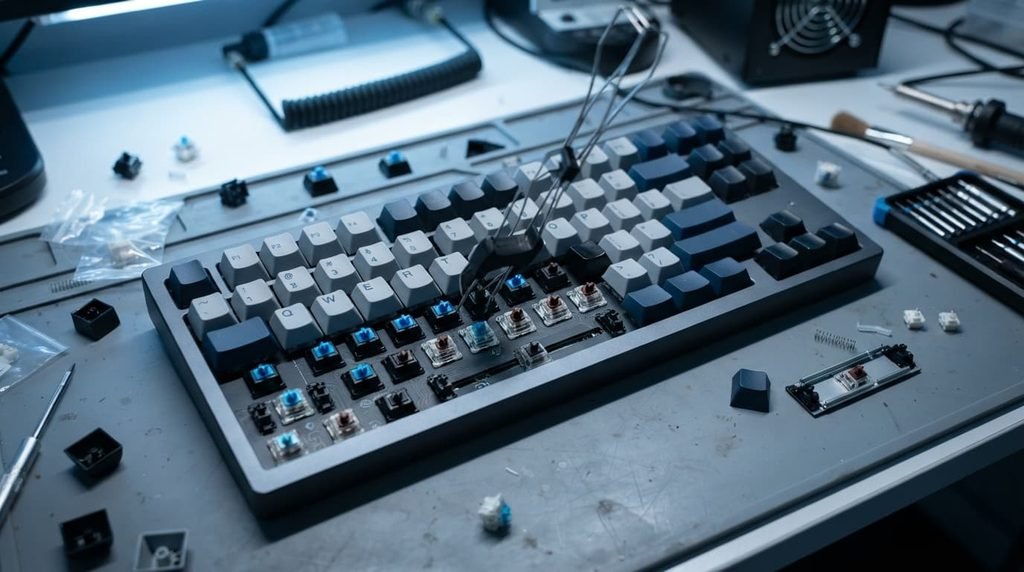
The most common mistake is attempting a technical modification, like sound-dampening, without genuinely researching the correct method for your specific keyboard model first. An improperly and carelessly executed modification can genuinely introduce new problems – inconsistent key feel, actual real damage – that leave you considerably worse off than your original, merely imperfect keyboard genuinely was before you attempted the change in the first place.
A second genuinely common mistake is simply assuming keycap replacement or cleaning will resolve an issue that’s actually genuinely rooted in the underlying switch mechanism rather than the keycap or surface debris specifically at all. Correctly and carefully identifying which specific component genuinely relates to your actual particular complaint, before choosing any alternative, prevents wasted effort on a fix that was genuinely never going to address your actual underlying issue at all.
Questions readers keep asking
How do I know if my keyboard dissatisfaction is genuinely about one specific issue or the whole keyboard?
Reflecting carefully on whether you can identify one particular, specific complaint versus a genuine overall sense that nothing about the keyboard feels right reveals this specific distinction reasonably clearly overall – a specific complaint suggests a targeted alternative, while comprehensive dissatisfaction suggests replacement.
Is thoroughly cleaning an older keyboard genuinely worth the effort compared to just buying new?
For issues genuinely caused by accumulated debris specifically, yes, quite often – thorough and careful cleaning can meaningfully restore a keyboard’s original feel at genuinely minimal cost, making this worth attempting before assuming replacement is genuinely necessary for that particular specific situation you’re facing.
Is it worth trying an alternative even if I’m not entirely sure it will resolve my specific issue?
Generally, yes indeed – given how much less these genuinely targeted alternatives typically cost compared to full replacement, attempting one first is usually a genuinely reasonable, low-risk step to take, even without absolute certainty of success, before committing to the considerably greater expense of a complete new keyboard purchase entirely.
Does keycap replacement genuinely work on any keyboard, or only certain types?
This genuinely depends considerably on your own specific keyboard’s actual design – many mechanical keyboards genuinely support keycap replacement, while some other keyboard types simply don’t structurally allow this, making it genuinely worth confirming your particular keyboard’s actual compatibility before pursuing this specific alternative approach.