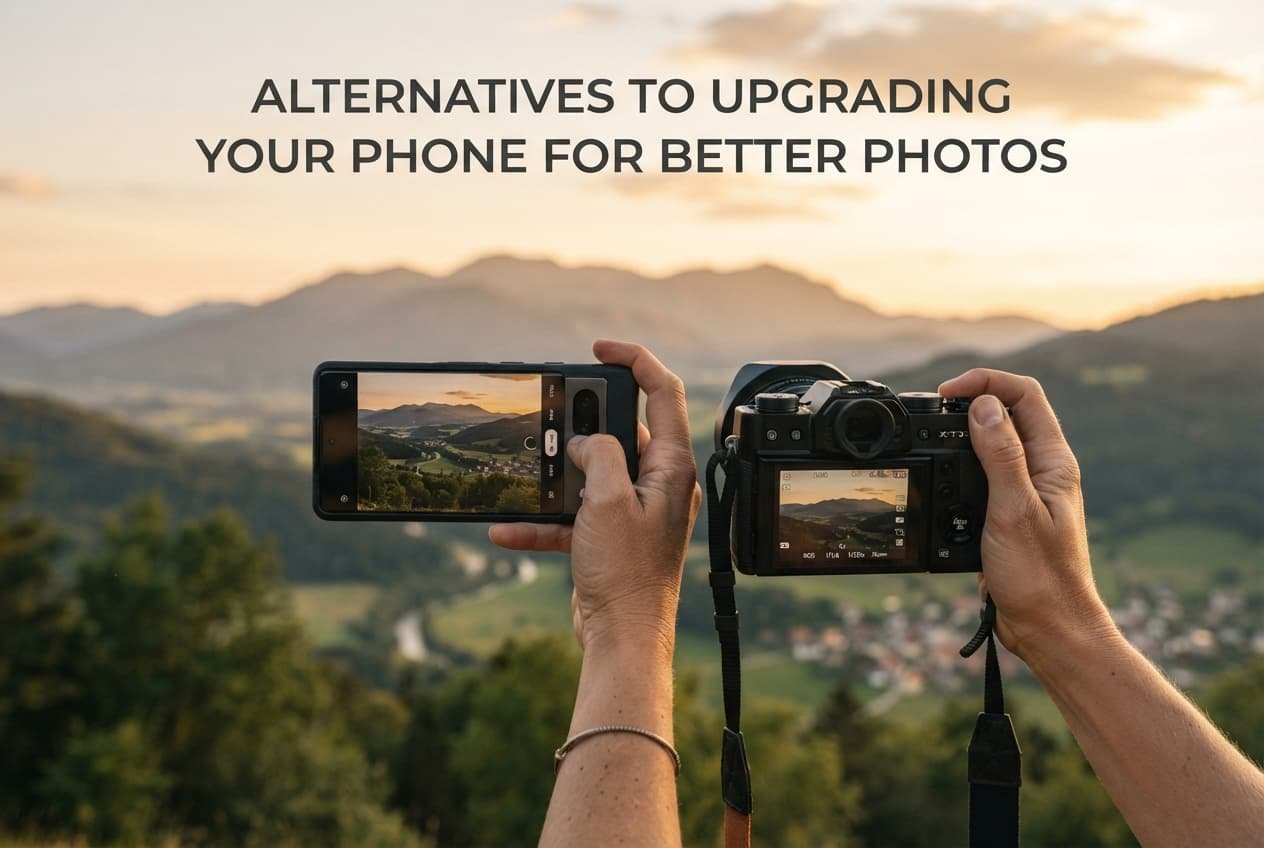
Upgrading to a phone with a genuinely better camera is the most straightforward way to improve your photo quality, and there’s nothing wrong with choosing that option – but “most straightforward” and “the only genuinely effective option” are different things, and the gap between them is exactly where the case for an alternative starts to make sense. If your current phone’s photos have disappointed you and you want to understand what else is genuinely available before committing to an upgrade, the realistic path depends on understanding what’s actually limiting your current results and what each alternative trades away to address it.
What’s actually limiting your current photos
The specific limitation behind disappointing phone photos usually falls into one of a few genuinely distinct categories: technique-related factors you can address without any equipment change, accessories that extend your current phone’s actual capability, or a genuine hardware limitation your current phone’s camera structurally can’t overcome regardless of settings or technique.
This distinction matters because a phone upgrade specifically addresses the third category – genuine hardware limitation – while doing little for the first two, meaning upgrading before identifying which category actually applies to your situation risks spending considerably more than necessary on a problem technique or accessories could have addressed instead.
The kinds of alternative, and what each costs you
Improving your actual technique – lighting awareness, stabilisation, composition habits. This directly addresses a meaningful portion of typical photo disappointment at no financial cost at all, since many common quality issues stem from correctable habits rather than genuine hardware limitations. The trade-off: technique improvement requires genuine practice and attention, and it can’t overcome an actual hardware limitation your current phone’s camera structurally has, regardless of how skilled you become at working around it.
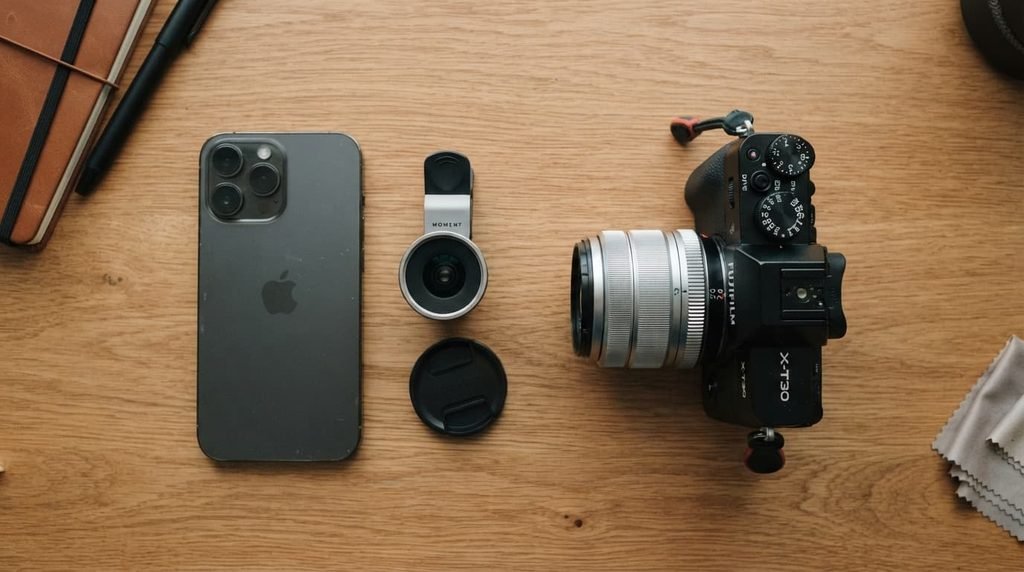
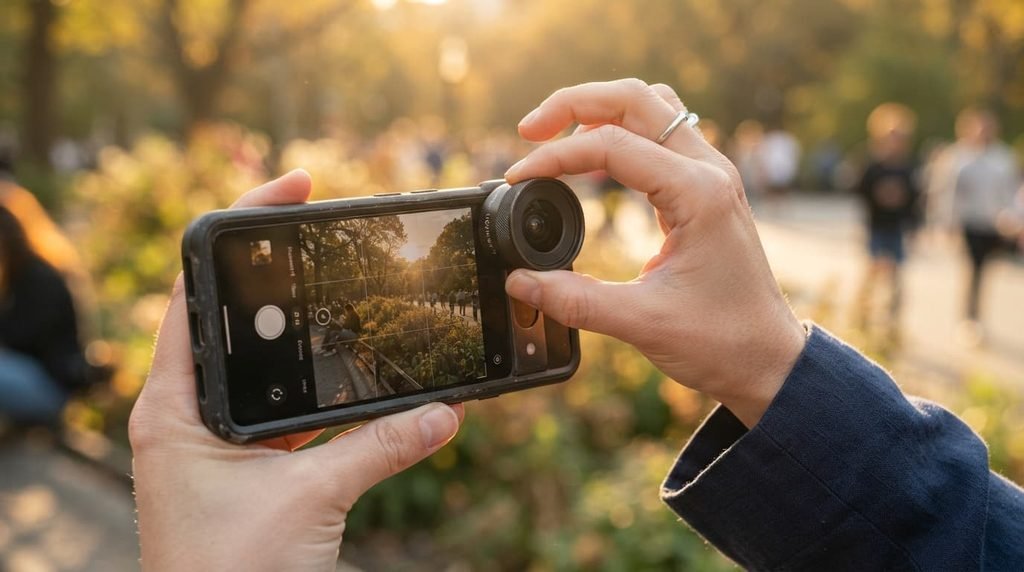
Add-on lens attachments or accessories designed to extend your current phone’s capability. This directly addresses specific limitations – wider framing, closer macro detail – that your phone’s built-in camera doesn’t natively support, at considerably less cost than a full phone upgrade. The trade-off: attachment quality varies considerably, and even a good attachment doesn’t address every limitation a phone upgrade’s genuinely improved sensor and processing would resolve.
Using a separate, dedicated camera specifically for situations where photo quality genuinely matters most to you. This directly provides access to camera capability generally beyond what any phone currently offers, for the specific occasions where this matters most, without requiring your everyday phone itself to serve this more demanding purpose. The trade-off: this means carrying and managing a separate device specifically for those occasions, rather than having your one phone handle every situation.
The trade-off nobody warns you about
The cost that shows up mid-decision isn’t the money saved by not upgrading – it’s discovering how much of your photo disappointment was actually about correctable technique rather than any genuine hardware limitation your phone actually has.
Most advice about improving phone photos jumps straight to equipment recommendations. Nobody mentions clearly enough that a meaningful portion of typical disappointment stems from addressable habits, and recognising which category your specific situation falls into changes which alternative, if any, is actually worth pursuing.
How to figure out what you actually need
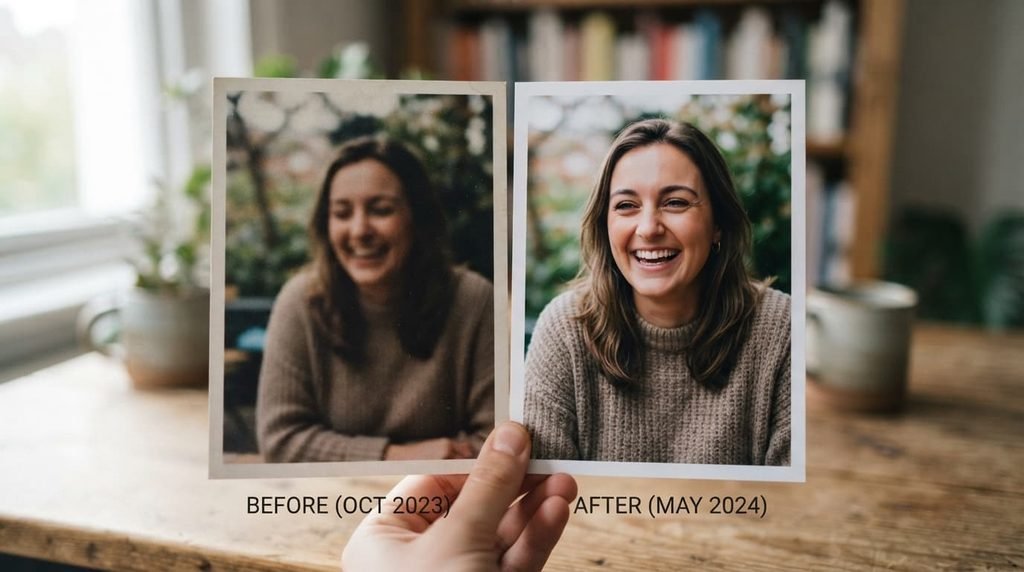
Work through the core technique habits – lighting, stabilisation, composition – for a genuine period before assuming your equipment itself is the limiting factor, since this costs nothing and addresses a meaningful portion of typical disappointment on its own.
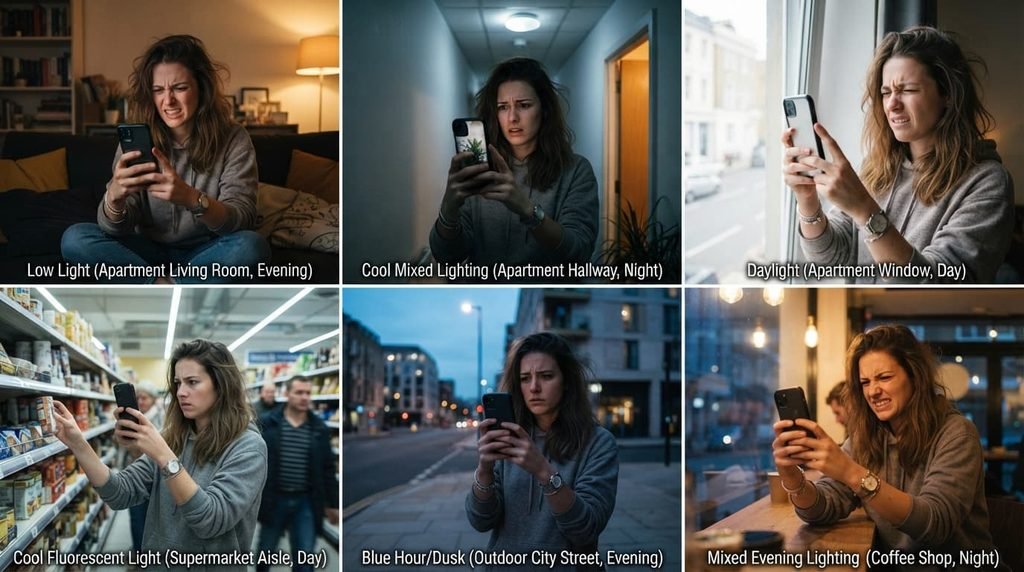
Identify specifically which situations continue producing disappointing results even after genuinely improving technique, since this distinction reveals whether an accessory or genuine hardware upgrade is actually needed, rather than assuming every remaining limitation requires the most expensive possible solution.
Consider how often you’d genuinely use a separate camera or specific accessory before committing to that purchase, since equipment that goes largely unused because it’s inconvenient to carry or set up doesn’t provide the benefit its capability alone might suggest.
When upgrading your phone remains the reasonable choice
If your phone’s camera genuinely struggles across a wide range of everyday situations, despite genuinely solid technique, and you’d benefit from that improved capability across your daily phone use broadly rather than in specific separate situations, upgrading your phone remains a reasonable, meaningfully convenient choice specifically for that pattern, rather than something to feel you should avoid.
I’ll say this plainly: phone camera upgrades get recommended more readily than the actual situation often justifies, particularly when the underlying issue is genuinely addressable through technique or a modest accessory rather than a fundamental hardware limitation. The push toward upgrading is often the default advice given regardless of whether it actually addresses someone’s specific, diagnosed limitation.
The one check worth doing before you upgrade
Before committing to a phone upgrade specifically for camera improvement, honestly assess whether your current disappointment stems from genuinely correctable technique or a confirmed hardware limitation, rather than assuming every photo shortfall requires new equipment to resolve.
This one check prevents unnecessarily replacing a phone that’s actually capable of considerably better results than you’re currently getting from it, focusing any spending specifically on the alternative that actually addresses your genuine, diagnosed limitation.
What people get wrong about these alternatives
The most common mistake is assuming technique improvement and equipment upgrades are mutually exclusive choices, when in practice genuinely good technique makes any equipment you use, from your current phone to an upgraded one, perform closer to its actual full potential. Skipping technique improvement in favour of jumping straight to equipment changes often means carrying forward the same habits that limited your previous results, regardless of how capable your new equipment actually is.
A second common mistake is assuming a lens attachment or dedicated camera purchase, once made, guarantees improved results without any further effort. These alternatives extend genuine capability, but still benefit from the same lighting, stabilisation, and composition awareness that improves results with any camera, meaning the technique habits remain relevant regardless of which specific equipment path you choose to pursue.
Questions readers keep asking
How do I know if my photo disappointment is genuinely about hardware rather than technique?
Working through the core technique habits consistently for a genuine period and comparing results directly against your previous typical photos reveals this distinction reasonably clearly – meaningful improvement suggests technique was the larger factor, while persistent limitations despite solid technique point more toward genuine hardware constraints.
Are lens attachments genuinely worth it, or mostly a gimmick?
Quality varies considerably between specific products, so checking genuine reviews for the particular attachment you’re considering, rather than assuming all attachments perform similarly, is worth doing before assuming this category is either uniformly worthwhile or uniformly disappointing.
Does upgrading only the camera app, without a hardware change, ever genuinely help?
To a modest degree, yes – a third-party camera app offering more manual control can help you work around some technique-related limitations more effectively than a default app might, though it can’t overcome genuine hardware constraints any more than improved technique alone can.
Is it worth using a dedicated camera just occasionally, or does that defeat the convenience of phone photography?
For situations where photo quality genuinely matters considerably more than everyday convenience – a specific planned occasion, for instance – occasional dedicated camera use can be worthwhile without meaningfully undermining your phone’s genuine convenience for all your other typical everyday photography.