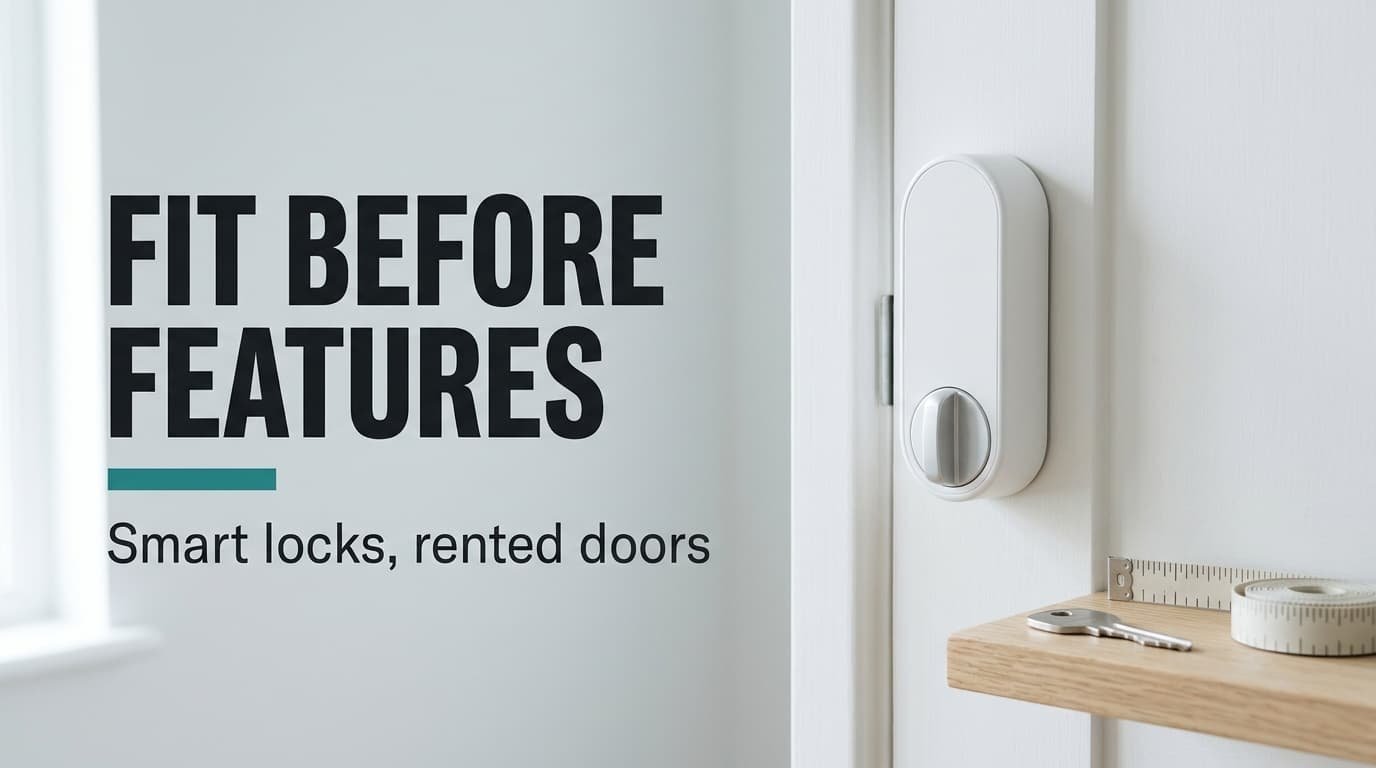
Start with two questions: will the lock fit without touching the outside of the door, and what does it do once its batteries run out? Smart lock features matter far less than those answers, because a lock that can’t come off cleanly, or one that shuts you out, is a poor buy however clever its app looks. The setting is a tenancy in a British flat, behind a cylinder lock with a thumb-turn on the inner face. Each measurement is made up for the example. Take your own door’s measurements before trusting any of them. The piece avoids brands and leaves prices out.
Why smart lock features matter less than the door you already have
A rented door belongs to somebody else. Drilling a hole or swapping the cylinder can breach the tenancy, and a repair bill may come out of your deposit. Even altering how the key behaves counts as a change. So the first filter is physical, and software has no say in it yet.
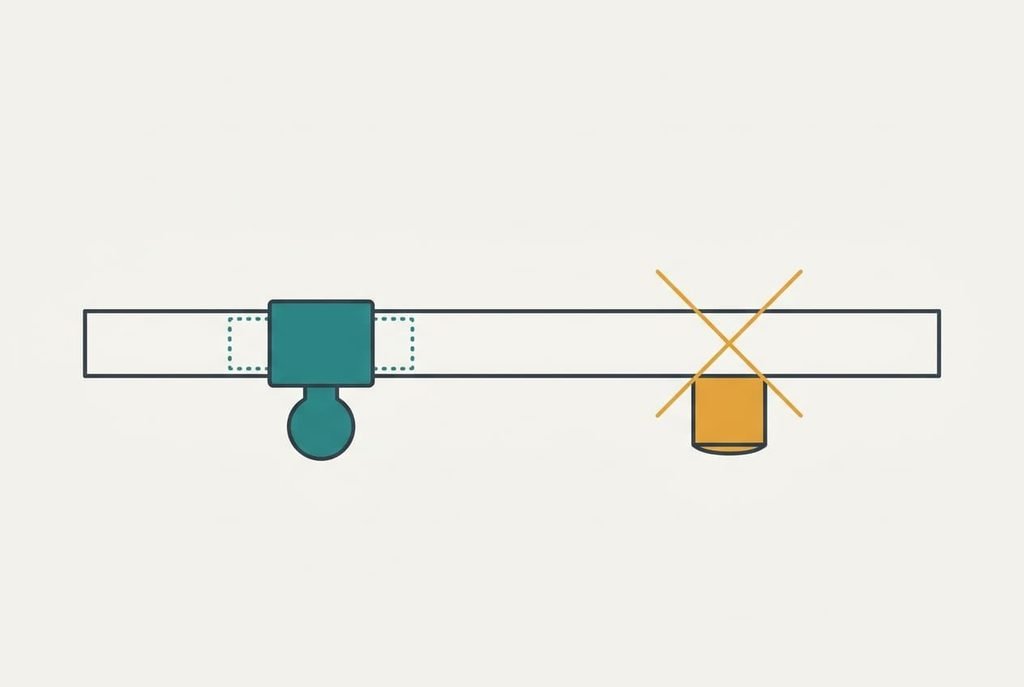
A fit that leaves the outer face untouched decides the rest of the shortlist. Some models clamp over the inner thumb-turn and can come off in ten minutes with nothing left behind. Others replace the outer cylinder, which is a different purchase altogether because the door has changed for good. Ask which of the two kinds a listing describes before reading anything else on it.
Two numbers settle it. Find how far the thumb-turn stands from the nearest door edge, then read the casing width in the listing. Say the casing is 55 mm wide and centred on the turn. It needs 27.5 mm on each side. In our example the turn stands 38 mm in from the edge, so there is 10.5 mm to spare, and a lock with a wider body would have no room at all.
The margin settles the question before any app does.
Smart lock features for a rented door, in priority order
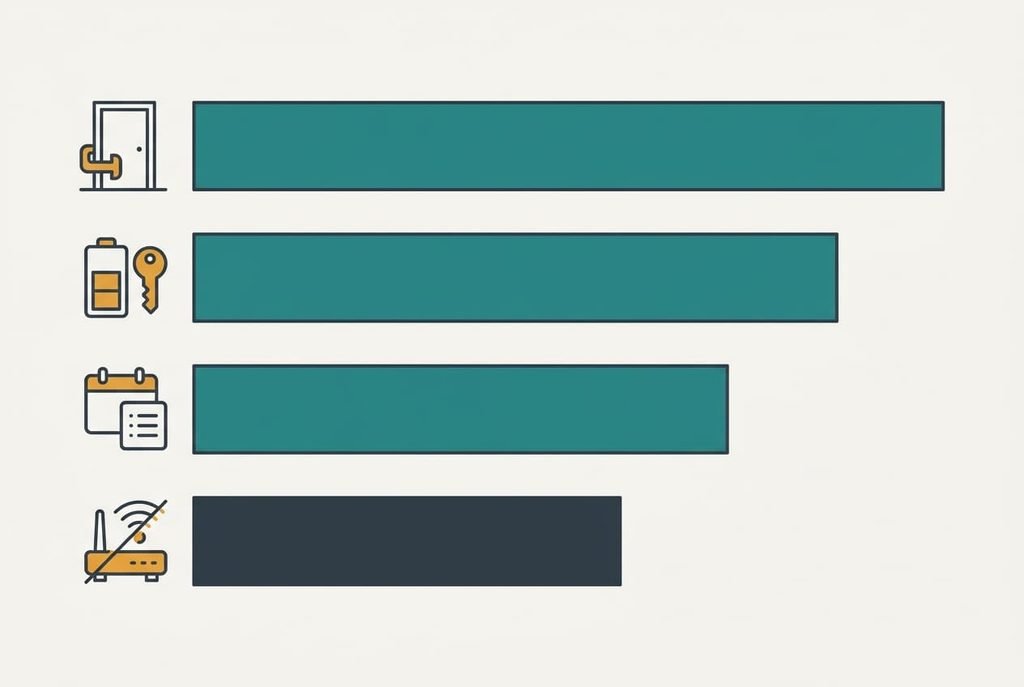
1. Fit on the inner face only. Anyone who holds an ordinary key can carry on using the door as before, so your daily routine barely shifts and the landlord still has access. Judge it with a photo of the inner face and a tape run from the turn to the nearest edge. Hold that gap up against the casing width on the listing, and ask the seller for the body dimensions if the page omits them. If the lock won’t seat, you’ve lost a week to a return and the door looks just as it did.
2. Behaviour when power or radio fails. Read the listing for a line promising that the key still turns with flat batteries and a dead phone, plus a low-battery warning that arrives early. Assume four cells last 26 weeks and the warning appears at 20% left. That gives 0.2 × 26 = 5.2 weeks of notice, enough to put a reminder in the diary. If you’re wrong, you spend a cold evening on the landing with a lock that has gone quiet and no spare key in your pocket.
3. Access for other people. Visitors come and go, and a code that expires saves you cutting spare keys. Look for a lock that lets you set an end date on a code and keeps a log with the day of each entry. Daily life gets simpler because nobody needs to hold a copy. If you’re wrong, a former flatmate keeps a working code indefinitely.
4. Working with no internet. Few buyers test this, because a shop display always has a connection. Turn the router off for sixty seconds, then try the keypad, the phone held near the door and the key. A lock that answers only over the internet leaves a guest outside whenever the broadband drops while you’re away. Read the listing for any mention of a local, Bluetooth-style link, which is what keeps a phone working beside the door.
What the box oversells
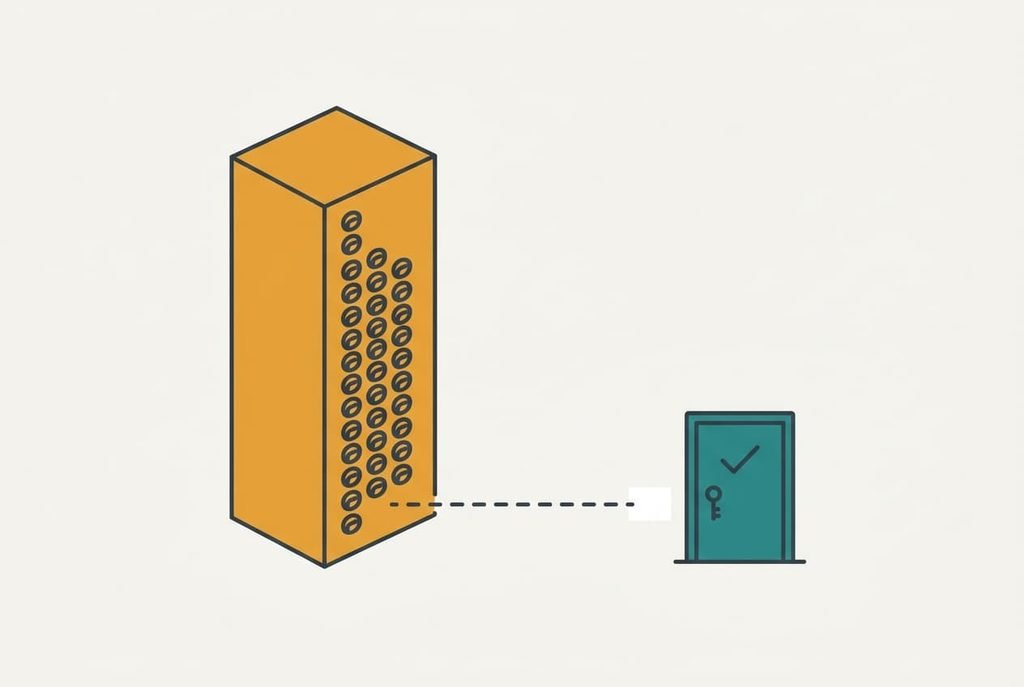
A long row of voice-assistant and smart-home logos is the extra that gets the most space on the packaging. It sells because a row of logos looks like good value and costs almost nothing to print. Opening a front door by voice is rarely what a flat needs, and a shout from the hall could just as easily let in the wrong person.
Those integrations matter only if you already run a hub and would use it on the door. Without one they add nothing, and every extra link is yet another piece of software to keep updated.
Treat the claim that smart lock features matter as a flag when it comes with a table of eighty ticks. Only four of those rows deserve your attention, and they are the ones in the list above. A boast about strong encryption goes on that pile too, since it tells you nothing about the key on a flat battery.
How three readers weigh the four
Anyone who has to return the door as found should give fit the top place. An inner-face casing keeps the original cylinder and the deposit intact, and every other feature is a bonus on top of that.
A person sharing with three others needs the third criterion to rise. Four people, a few guests each month and one misplaced key add up to a case for expiring codes and an entry log that shows who came in and when.
Someone who works away from home needs the fourth. A lock that needs the internet is a poor bargain when you’re 300 km from the door and a friend is standing on the step holding a parcel for you.
When to walk away
Drop any lock that needs the outer cylinder replaced without written consent from your landlord. That change alters the door, and a rented flat isn’t yours to alter on a hunch. Ask first, then file the reply with your tenancy papers. Smart lock features matter little once the landlord has said no, so don’t hope for forgiveness afterwards.
Also drop a listing that says nothing about the key working on flat batteries. A seller who can’t answer has either hidden the answer or never tested the lock. Either way, you’d carry the risk home with the box.
If you share the flat, skip a lock with no entry history as well. Without that list, a dispute over who came in last is settled by memory alone, and memories differ. A log that records the day and the code used turns the argument into a quick look.
A flat battery shouldn’t cost you the door.
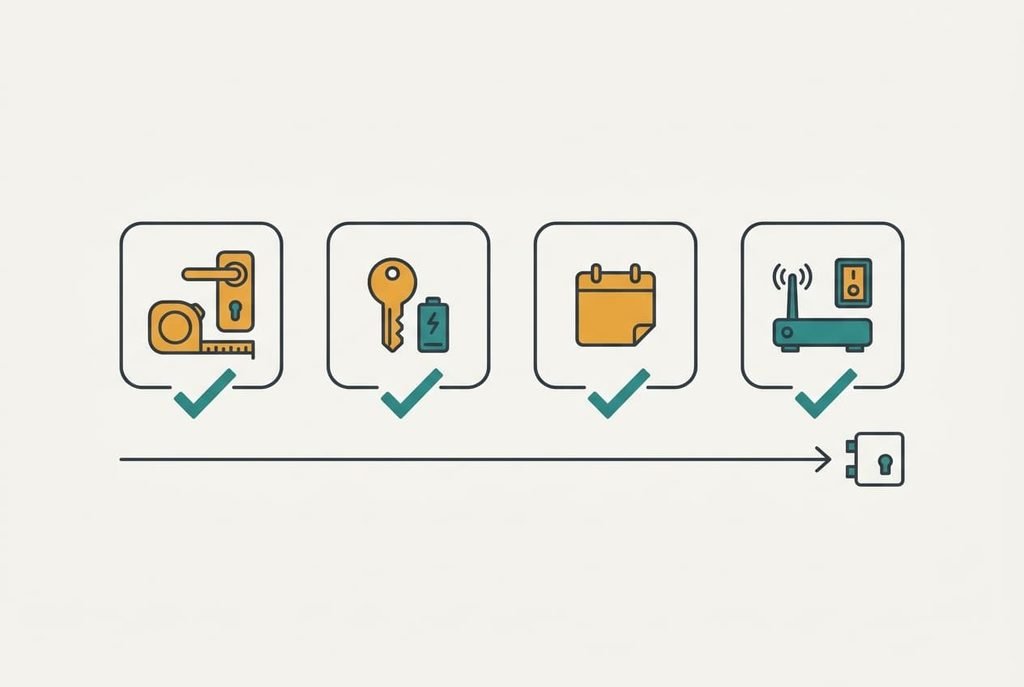
A two-minute check before you order
Hold a tape measure to the inner face of your door and measure from the turn to the nearest edge, which takes half a minute. Then halve the casing width on the listing, which gives 27.5 mm in the example. Confirm that the gap is larger. Next read the listing for three lines: the key works with flat batteries, the warning arrives weeks ahead, and the lock still answers with the router off.
Finally, check that a code with an end date exists, which takes the last half minute. When all four lines appear, the lock earns a place on your shortlist.
Smart lock features matter twice: once when you choose, and again each morning when you leave in a hurry. Pick for fit and for failure behaviour. A lock that comes off clean and still opens with a key is one you can live with, and it can follow you to the next flat.
Questions readers keep asking
Which specification should I read first?
The fit. Find the casing width and line it up with the room around your thumb-turn, because a lock that won’t seat is useless whatever else it offers. After that, look for the line saying that the key still works when the batteries die.
Does a rented door call for a bigger spend?
Not really. Inner-face fitting and a key backup come on cheaper and dearer models alike, so extra spending mostly buys integrations rather than better failure behaviour. Put whatever you spend towards the four criteria you checked, and ignore the logos printed across the box.
How long will one last before I regret it?
The casing and the motor outlast most tenancies. What brings regret is a missing key backup or a lock that insists on the internet. Test those two points before you commit, and the lock can leave with you on moving day.