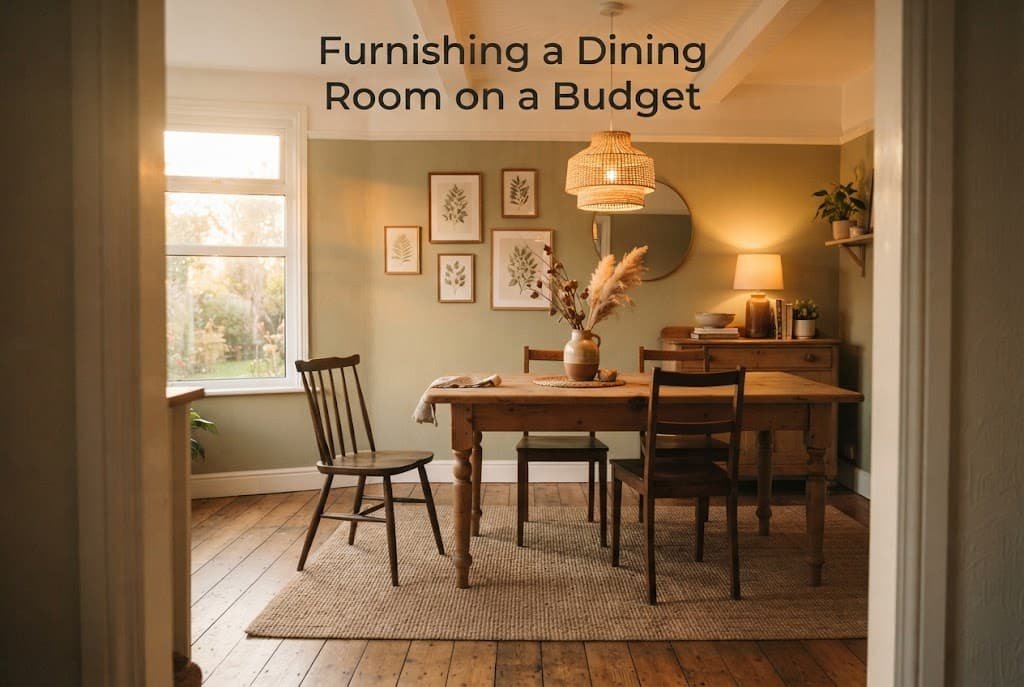
Furnishing a dining room on a genuinely tight budget isn’t about finding the cheapest version of every single item – it’s about identifying which single element genuinely deserves most of your available spending, and which pieces can be genuinely modest without anyone actually noticing the difference during real daily use. A dining room with a limited budget spread evenly across every category often produces a weaker result than one built around a single deliberate investment.
What actually decides this
The deciding factor is which specific element most affects whether the room feels warm and gets used regularly, not simply how much visible change any given purchase produces. Lighting quality and genuine seating comfort directly determine daily usability in a way that decorative accessories or a perfectly matched dinnerware set simply don’t, regardless of how attractive those secondary elements look in isolation.
This single core distinction should genuinely guide nearly every purchase decision made below: spend where genuine daily usability actually shows up, and treat everything else as a place to keep modest without meaningful compromise to how the room actually functions overall.
This isn’t the same as simply spending less overall – it’s about redirecting the same modest total budget toward the specific choices where warmth and usability actually show up in daily life, and away from choices that improve appearance without affecting whether the room genuinely gets used. A room furnished with several small, evenly-priced decorative items often costs a genuinely similar total to one furnished around genuinely good lighting and comfortable seating, but the second overall approach delivers noticeably more actual daily use for that exact same overall spend.
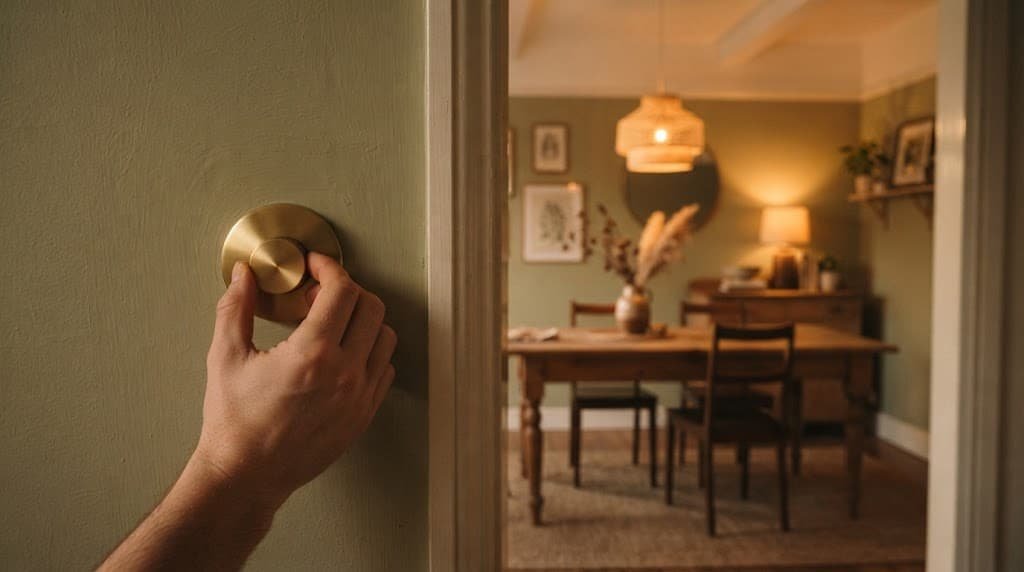
Where secondhand genuinely makes sense
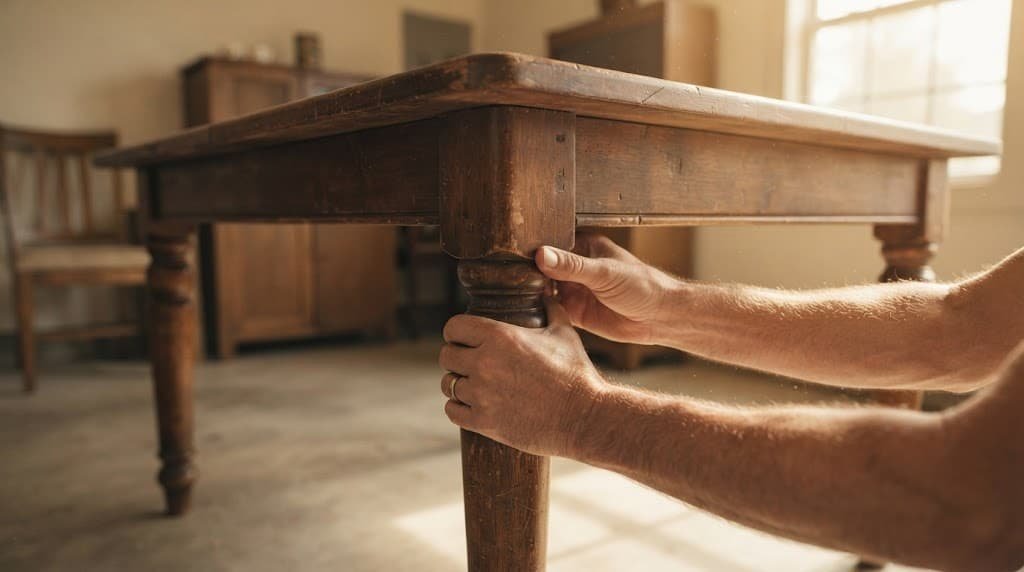
A solid, well-built dining table is a genuinely reasonable category to consider secondhand, since well-made frame and surface construction doesn’t meaningfully degrade with age in the way soft furnishings eventually do, and dining tables specifically are often available secondhand at considerably reduced cost relative to buying new. Checking carefully for structural stability and any significant surface damage before actually committing covers most of the genuine risk this particular category genuinely presents.
Dining chairs are a slightly more genuinely mixed case overall – a secondhand chair with a solid frame but worn upholstery can often be reupholstered relatively affordably, making it a reasonable budget option worth considering, while a chair with genuine structural wobble or real damage is usually not worth the effort regardless of how low the asking price appears.
What to prioritise, in order
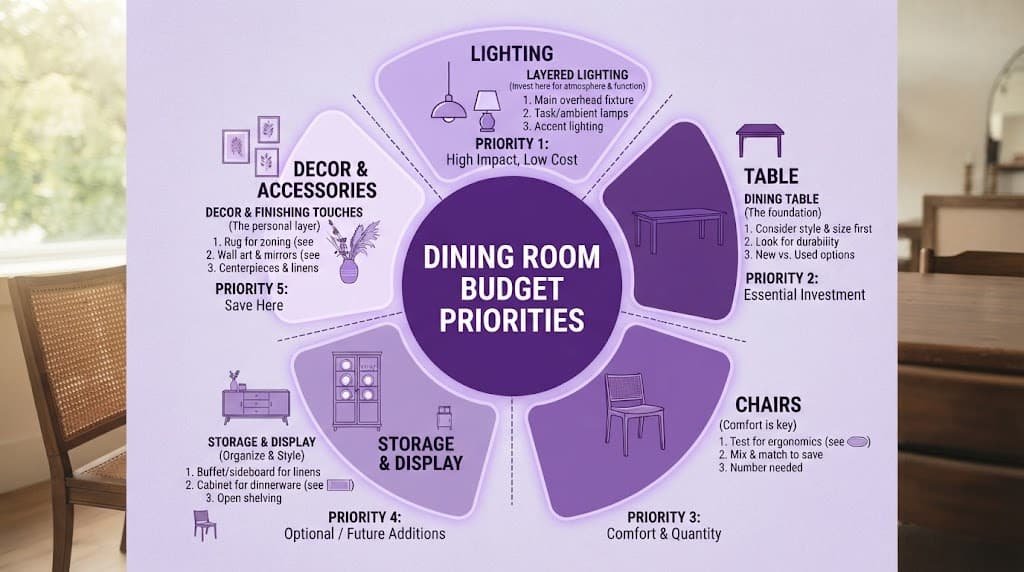
1. Lighting flexibility over the table. This deserves the largest share of a limited budget, since a dimmable or adjustable light source directly determines whether the room can shift between a warm everyday feel and a brighter, more functional one, which matters more for daily usability than almost any other single purchase in this room.
2. Genuinely comfortable seating. This is the second-largest justified expense, specifically because chairs people actually want to remain seated in directly support the lingering, everyday use a warm dining room depends on – a modest table paired with genuinely comfortable chairs outperforms an expensive table paired with uncomfortable ones for this specific purpose.
3. One piece of soft textile – a table runner, seat cushions, or curtains. A small amount of genuine textile softness genuinely and meaningfully breaks up an all-hard-surface room’s formality for relatively modest cost, extending the warmth principle established by lighting and seating without requiring a significant additional investment.
4. A durable, easy-to-clean table surface. This genuinely matters more than an initially pristine-looking finish, since a table you’re anxious about scratching or staining discourages the relaxed, everyday use a warm dining room is meant to support, regardless of how attractive that finish looked when new.
5. Purely decorative elements – a formal dinnerware display, ornamental centrepieces. These items belong last specifically because they carry the least weight in determining whether the room actually gets used daily; a modest option performs nearly as well as an expensive one for this particular purpose, making this the easiest category to genuinely economise on.
What doesn’t matter as much as it’s made out to
A complete matched dining set – table, chairs, and sideboard from the same collection – is oversold for budget furnishing specifically, and it’s one of the first things furniture guides recommend. A matched set often costs considerably more in total than assembling equivalent-quality individual pieces separately, since set pricing assumes you want and will use every included piece, when a modest household frequently doesn’t need all of them.
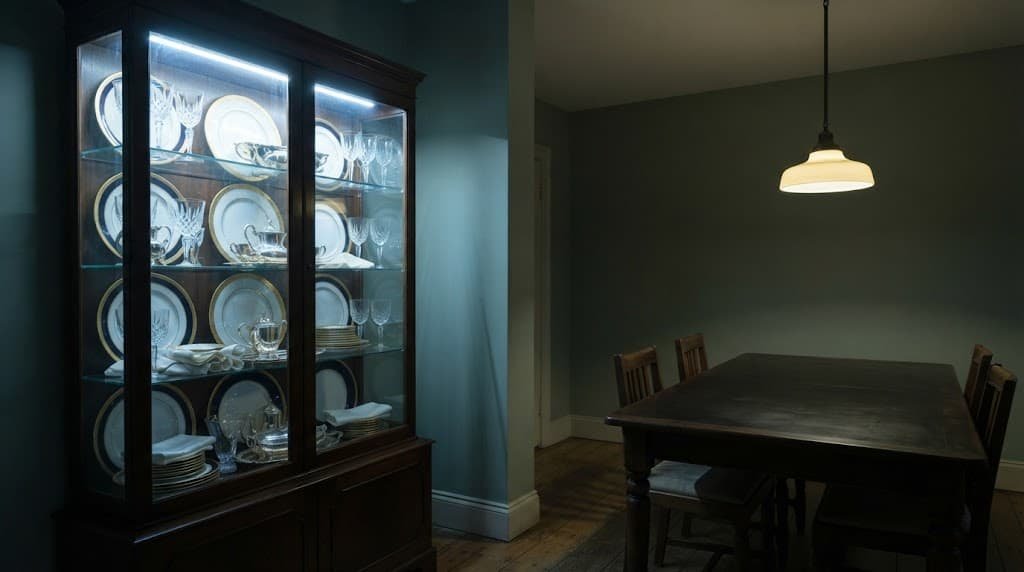
Formal dinnerware and glassware collections get far more budget attention than they deserve relative to the lighting and seating priorities above. A beautifully set formal table sitting in a poorly lit, uncomfortable room still produces a space that goes underused, while modest dinnerware in a genuinely warm, comfortable room gets enjoyed considerably more often in practice.
Matching the choice to your situation
If you’re furnishing entirely from scratch, prioritise lighting and seating first and treat everything else as genuinely optional for the first few weeks – a bare table runner costs you nothing functionally, while inadequate lighting or uncomfortable chairs affect whether the room gets used at all from the very beginning.
If you already genuinely own a table and chairs but the room still feels underused, prioritise the lighting change specifically before replacing any existing furniture at all, since a lighting upgrade often addresses the actual real barrier to warmth more directly and affordably than furniture replacement genuinely would.
What to walk away from
Any dining chair you cannot test for genuine comfort before buying, or that offers no meaningful return option, should end your interest immediately regardless of how favourable the price seems.
Comfort is genuinely quite difficult to judge from a photograph alone, and uncomfortable seating is genuinely one of the more expensive mistakes to make in this particular category, since it typically means the room continues to go underused despite the money already spent, rather than the modest initial saving actually paying off in genuine daily practice.
The check before you commit
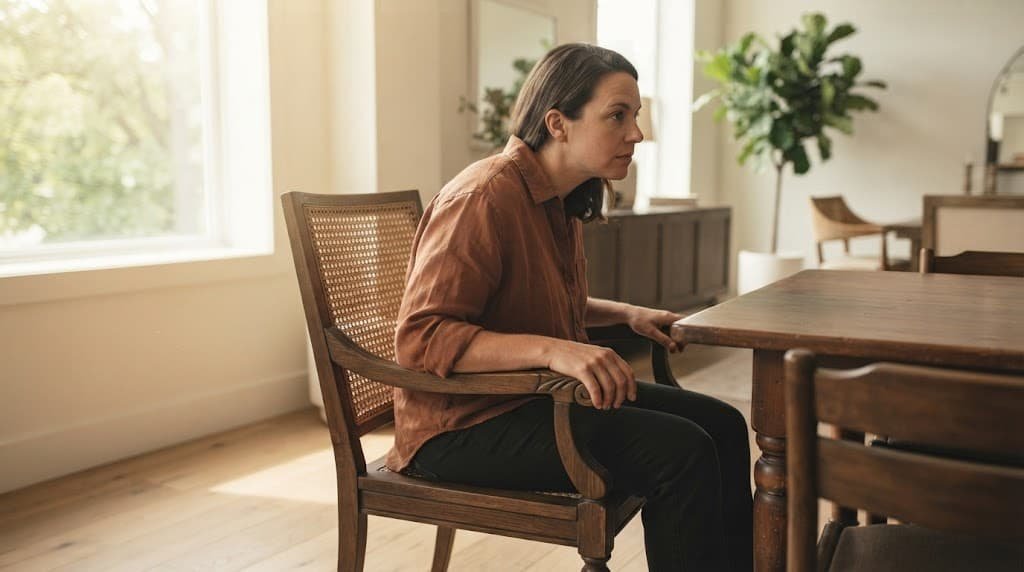
Before finalising any seating purchase, sit in the chair for the genuine length of time a typical meal or conversation actually takes, rather than judging comfort from a brief moment of sitting down in a shop.
This one single check reveals actual genuine comfort far more reliably than a brief impression ever does, since genuine discomfort often only becomes apparent after several full minutes, which is precisely the exact timeframe that determines whether a dining room actually gets used for lingering, everyday meals together.
Questions readers keep asking
What’s the single most impactful budget purchase for a dining room?
Lighting flexibility – specifically a genuine dimmer switch or warmer bulbs installed over the existing fixture – typically delivers the most noticeable overall improvement in how genuinely inviting the room feels for the effort and cost actually involved.
Is it worth buying a matched dining set to save money overall?
Not necessarily at all – matched sets often cost considerably more in total than assembling equivalent-quality individual pieces separately, particularly if the set includes items like a sideboard your specific space doesn’t actually need or genuinely have room for.
How can I tell if dining chairs are genuinely comfortable before committing to buy them?
Test them carefully for a genuinely extended period in your typical sitting position, rather than relying on a brief impression or the price alone, since real discomfort often only becomes apparent after several minutes of actual, genuinely sustained use.
Should I prioritise the table or the lighting if I can only afford one right now?
Lighting, in most genuine cases – a functional but plain table under genuinely warm, flexible lighting still creates a genuinely inviting room, while an attractive table under harsh or inflexible lighting struggles considerably to feel warm regardless of the table’s own individual quality. Lighting is also typically genuinely the more affordable of the two changes, making it a reasonable and sensible first step to take either way.