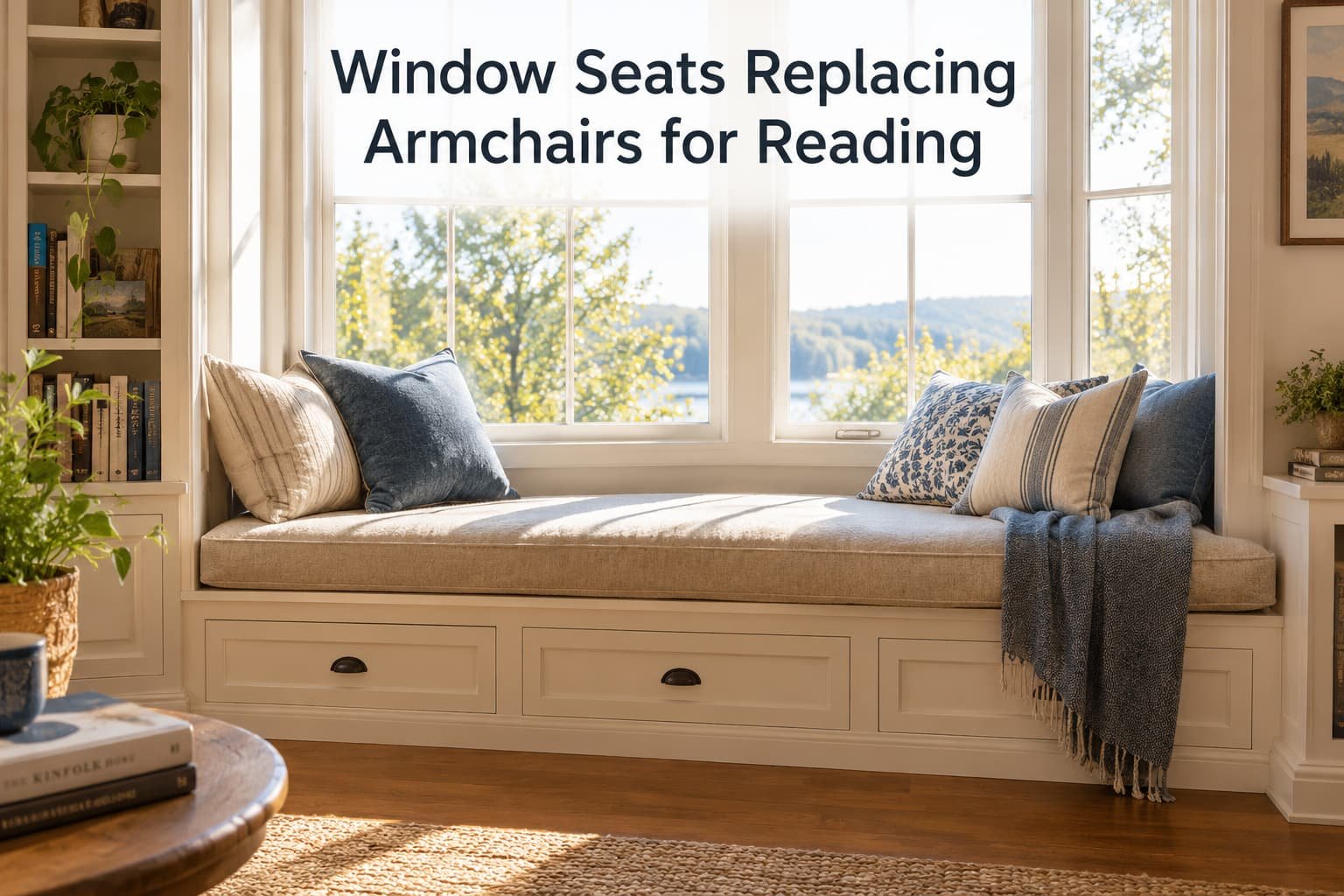
Built-in window seats genuinely keep displacing standalone armchairs as the preferred reading corner solution specifically, for a reason grounded in measurable space efficiency, not seasonal taste alone. Understanding that reason tells you whether it’s worth adopting or just the current version of a cycle that will pass. The shift is real and checkable in how much genuine floor space a window seat’s built-in design actually recovers compared to a standalone chair occupying the same general area, not simply a matter of one seating solution being more fashionable than another.
What actually changed
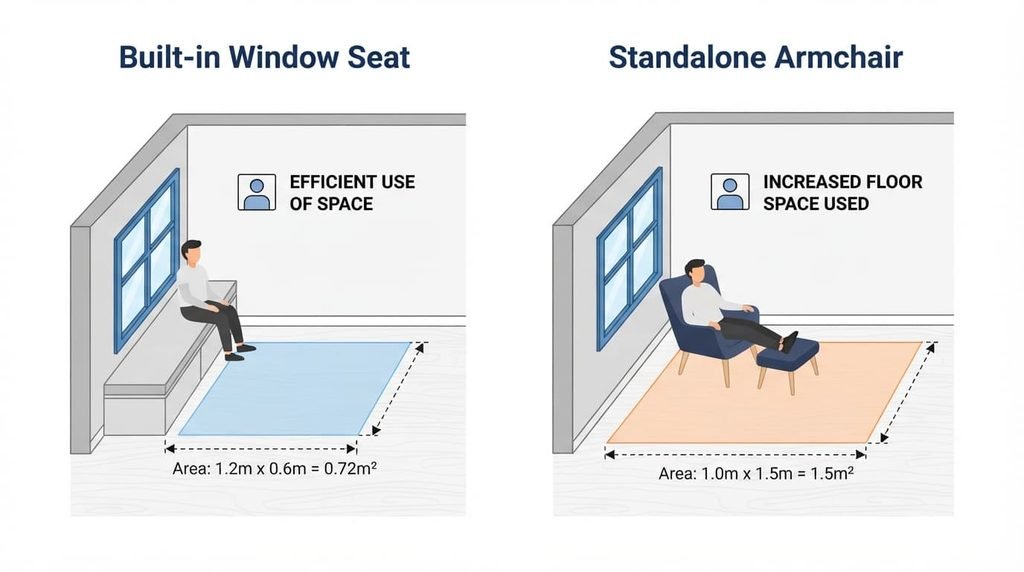
The measurable shift is a move away from a freestanding armchair, which occupies floor space in every direction around it, toward a built-in window seat that integrates seating directly into existing window architecture without extending outward into the room’s usable floor space the way a standalone chair inherently does. Where a freestanding armchair requires clearance on multiple sides for genuine comfortable use, a window seat’s built-in nature confines its footprint almost entirely to space that wasn’t genuinely usable floor area in the first place.
This isn’t purely aesthetic preference – it’s connected to a straightforward space-efficiency calculation: a seating solution occupying space that wasn’t previously functional floor area provides more net usable room than one consuming space that otherwise would have been walkable or available for other furniture, which is why the approach recurs across different housing eras rather than being tied to one particular decorating trend.
Why it keeps coming back specifically now
The continued reality that available home square footage often comes at a genuine premium has created a direct tension that window seats specifically address: wanting genuine dedicated reading seating without sacrificing floor space a standalone chair would otherwise consume.
For many households specifically navigating this exact space-value tension, the appeal of recovering functional floor space while still gaining genuine dedicated reading seating has become increasingly relevant, which is a concrete structural reason this approach’s popularity tracks genuine space efficiency rather than purely following showroom styling alone.
This distinguishes the current cycle from earlier decorative uses of window seating, which were sometimes driven primarily by a particular architectural style’s popularity rather than by genuine space-efficiency math. The underlying mechanism is the same regardless of cause, but a technique genuinely driven by an actual functional need tends to persist considerably longer than one driven purely by a design movement’s popularity alone.
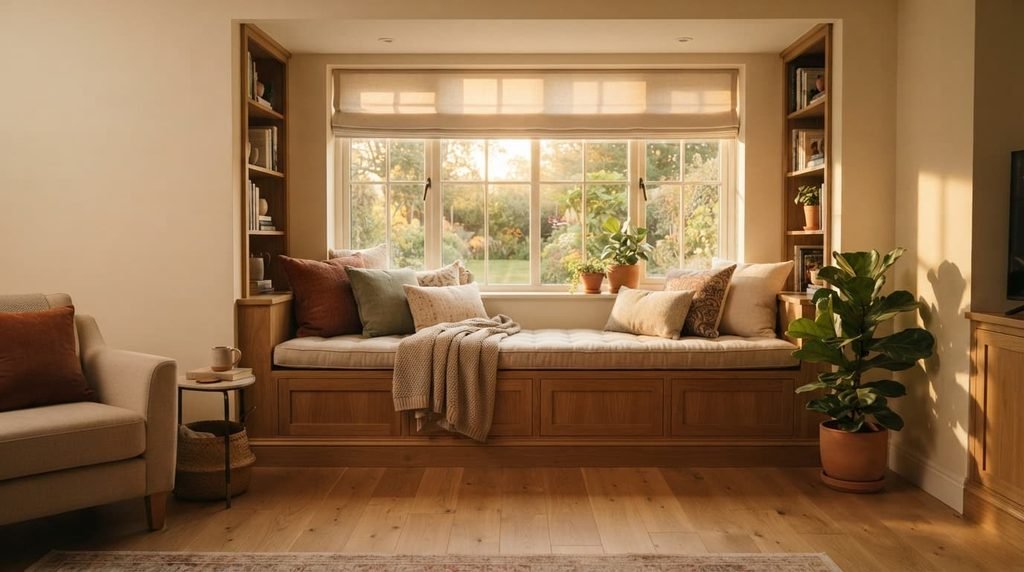
What this actually changes in a room
A window seat directly recovers floor space that a standalone armchair would otherwise consume, which is the direct mechanism behind its space-efficiency advantage specifically for reading corner applications. This isn’t purely subjective impression – it’s the direct result of the seating occupying architecturally integrated space rather than extending into the room’s genuinely walkable or otherwise usable floor area.
This space recovery also changes how a room’s remaining floor space can actually be used, since the area a standalone chair would have occupied becomes available for other furniture or genuine walking space, an option a freestanding chair’s footprint structurally doesn’t provide regardless of how the rest of the room is arranged.
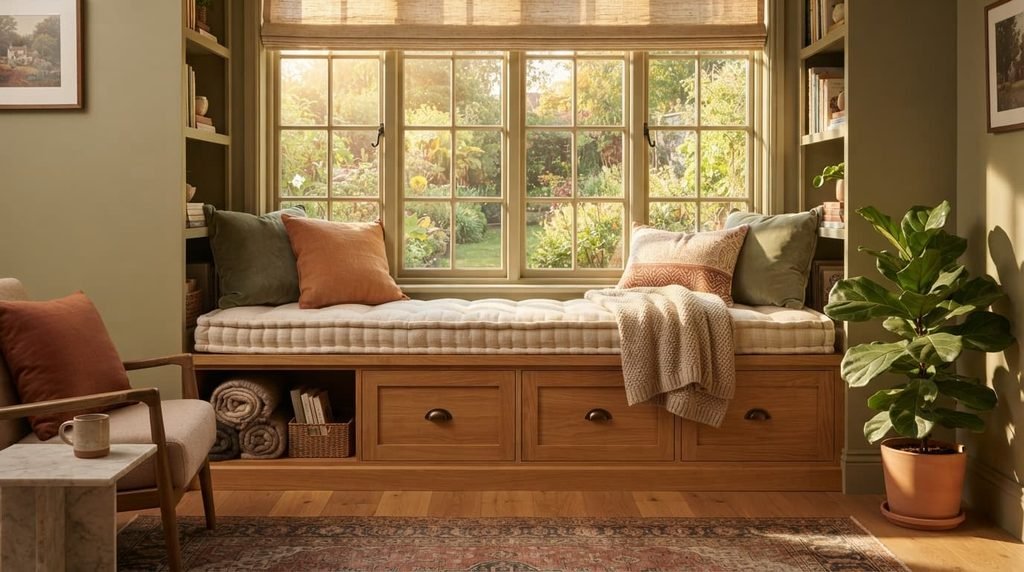
What this looks like in practice
A window seat with genuinely adequate cushion depth and back support, combined with built-in storage beneath the seat itself, forms a common practical expression of this approach, since incorporating storage further extends the space-efficiency principle beyond seating alone, using the seat’s structural base for a genuine secondary functional purpose rather than leaving that space purely decorative.
Coordinating the window seat’s specific cushioning and trim with the room’s broader material palette, rather than treating it as an entirely separate architectural element, tends to integrate the seating more seamlessly with the space’s overall character, avoiding the visually disjointed effect a mismatched installation can introduce despite technically serving its space-efficiency purpose well.
Where this trend genuinely holds up
The space-efficiency mechanism behind window seats doesn’t depend on current taste, which is why it’s a reasonable longer-term choice specifically for households genuinely working with limited floor space relative to their furniture needs. A household with this genuine constraint benefits from this approach regardless of which decade’s aesthetic currently favours the specific window seat styling being used.
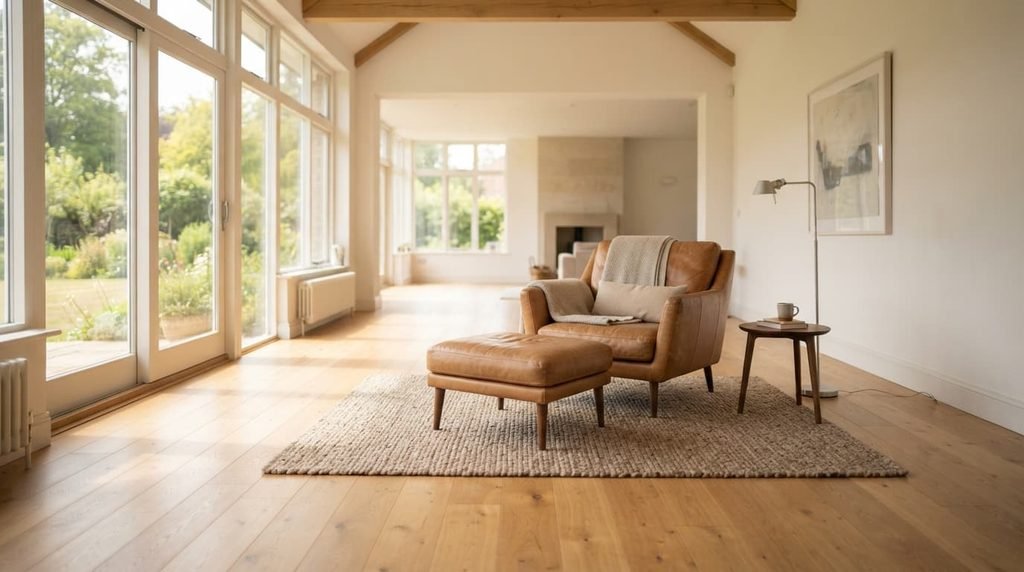
Where the verdict should stay negative
A built-in window seat genuinely isn’t worth the structural investment for a household with genuinely ample floor space where a standalone armchair’s footprint isn’t actually a meaningful constraint, despite how consistently this addition gets marketed as a universal reading corner upgrade.
For a household without genuine floor space pressure, the space-efficiency benefit that makes window seats valuable elsewhere simply doesn’t address a constraint that doesn’t meaningfully exist in that specific scenario, while a standalone armchair offers genuine repositioning flexibility a built-in window seat structurally can’t match. Adopting the approach purely for its current popularity, in a space that doesn’t genuinely benefit from this space recovery, adds structural cost and permanence without producing the practical benefit people actually expect from it.
What people get wrong when adopting it
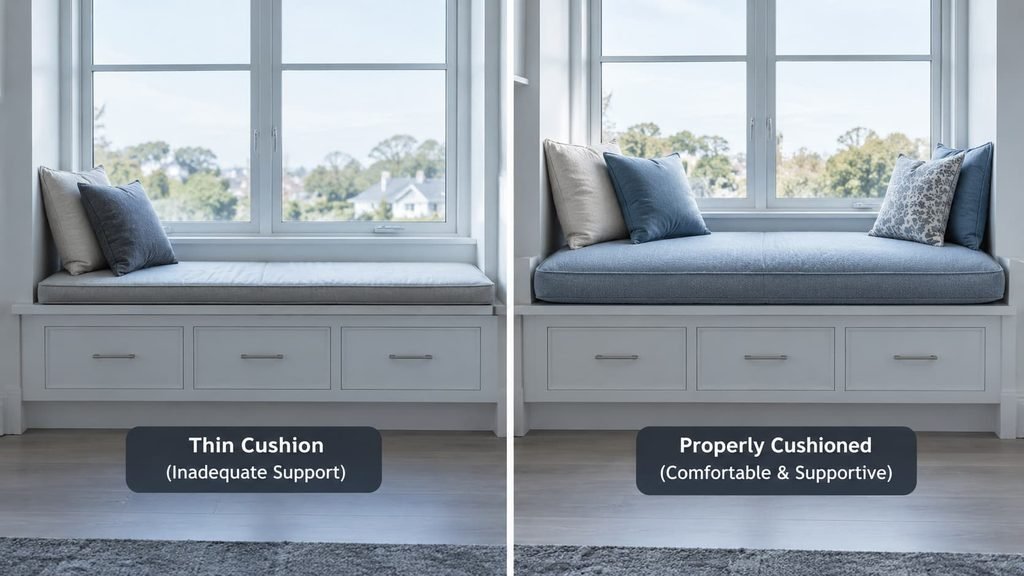
The most common mistake is installing a window seat without genuinely confirming the cushioning and back support provide comparable comfort to what a well-chosen standalone chair would offer, assuming any built-in seating automatically matches a dedicated chair’s ergonomic consideration. A window seat with genuinely inadequate cushioning undermines the reading corner’s actual comfort purpose entirely, regardless of how efficiently it uses space.
A second genuinely common mistake is underestimating the genuine structural planning a proper window seat installation actually requires, assuming it’s simply a simpler addition than a standalone chair purchase would be. A poorly planned window seat can create genuine structural or moisture issues near the window specifically, making proper installation planning worth taking seriously rather than treating this as equivalent in complexity to simply buying furniture.
Questions readers keep asking
Is a window seat genuinely as comfortable as a well-chosen standalone armchair for extended reading?
This genuinely depends considerably on the specific cushioning and back support quality built directly into the window seat design, since a genuinely well-designed window seat can genuinely match standalone chair comfort, while a poorly cushioned one may genuinely fall short regardless of its space-efficiency advantage.
Is this trend just a temporary aesthetic preference that will look dated soon?
The underlying space-efficiency mechanism it’s connected to doesn’t depend on current taste, suggesting genuine longevity specifically for households with genuine floor space constraints, though specific window seat styling chosen within the broader approach can still date in the usual way any decorating choice eventually does.
Does a window seat genuinely require more maintenance than a standalone armchair?
Generally not significantly more overall, though the cushioning specifically may need periodic attention similar to any genuinely upholstered furniture, and the built-in structure itself, once properly installed, typically requires no more ongoing maintenance than the window and surrounding wall area would otherwise genuinely need regardless of the seating choice.
How do I know if my window is genuinely suited to a built-in seat installation?
Consulting directly with a qualified professional about your specific window’s structural context and your home’s actual construction is genuinely worth doing before committing, since not every window location is genuinely suited to this kind of built-in installation without proper, careful structural consideration first.