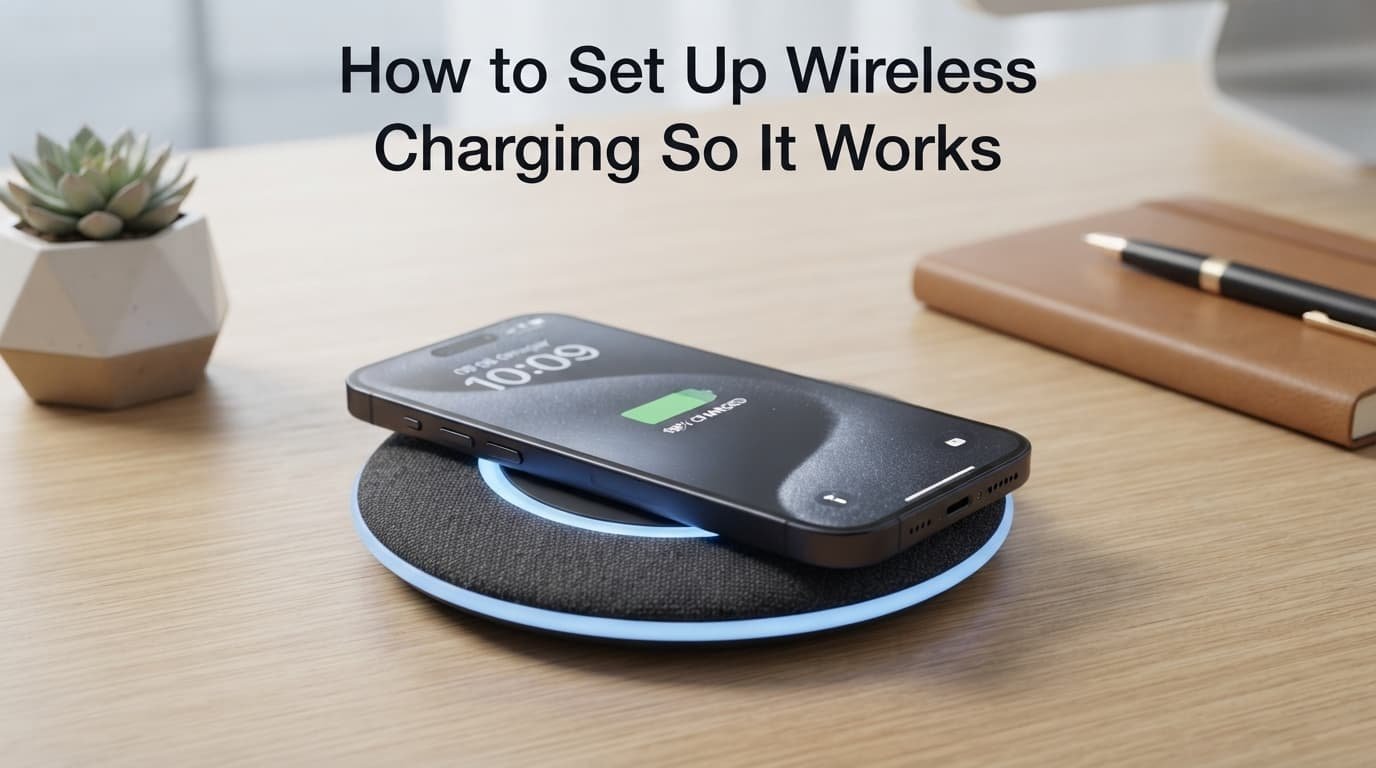
Setting up wireless charging so it genuinely works reliably every single time works best as a sequence of specific steps addressing the most common failure points first, rather than simply placing your phone on a pad and hoping for genuinely consistent results. This guide covers the steps in the order that typically prevents the most frustration, building genuine reliability into your setup from the start.
Before you start
Choose a genuinely stable, entirely flat surface for your charging pad specifically, away from other electronic devices or magnetic items, since these environmental factors can affect charging reliability in ways that aren’t obvious until problems actually surface.
Confirm your specific phone genuinely supports wireless charging and check its stated compatibility with your particular pad’s charging standard, since not every phone and pad combination is designed for optimal compatibility with each other.

Step one: confirm genuine compatibility before relying on it daily
Test your own specific phone and pad combination together before establishing this as your actual daily charging routine, rather than assuming compatibility based on general wireless charging claims alone.
Check for any manufacturer-specific guidance about your particular phone and pad combination, since some combinations genuinely work better together than others despite both technically supporting wireless charging broadly.
Step two: establish genuinely reliable positioning
Identify your phone’s actual charging coil location specifically – often marked or documented by your phone’s manufacturer – and align this consistently with your pad’s own charging area each time you place your phone down.
Consider marking your pad’s optimal charging spot specifically, if it isn’t already clearly indicated, since a consistent visual reference removes guesswork from daily positioning and reduces alignment-related charging failures.
Step three: remove genuine obstacles to reliable charging
Remove your phone’s case specifically if it isn’t genuinely confirmed as wireless-charging-compatible, since testing without a case first establishes a reliable baseline before reintroducing any case as a variable.
Clear your charging area of any other items specifically – cards, other electronics – each time before placing your phone down, since this habit prevents the interference issues that can otherwise develop into a recurring, confusing problem.
Step four: verify genuine charging confirmation
Confirm your phone actually shows a genuine charging indicator immediately after placement, rather than assuming charging has started simply because you’ve placed the phone on the pad.
Test this verification habit across different times of day and usage patterns specifically, since confirming charging works consistently under your actual varied daily conditions matters more than a single successful test.
Step five: build in genuine habits for long-term reliability
Establish a consistent, genuine daily routine for using your wireless charging setup specifically, rather than varying your approach each time, since this consistency directly supports the reliable positioning habits established above.
Periodically check your pad and phone for any genuine physical wear or debris specifically, since maintaining the physical condition of both components supports continued reliable charging over the setup’s actual lifespan.
Step six: address multi-device situations appropriately
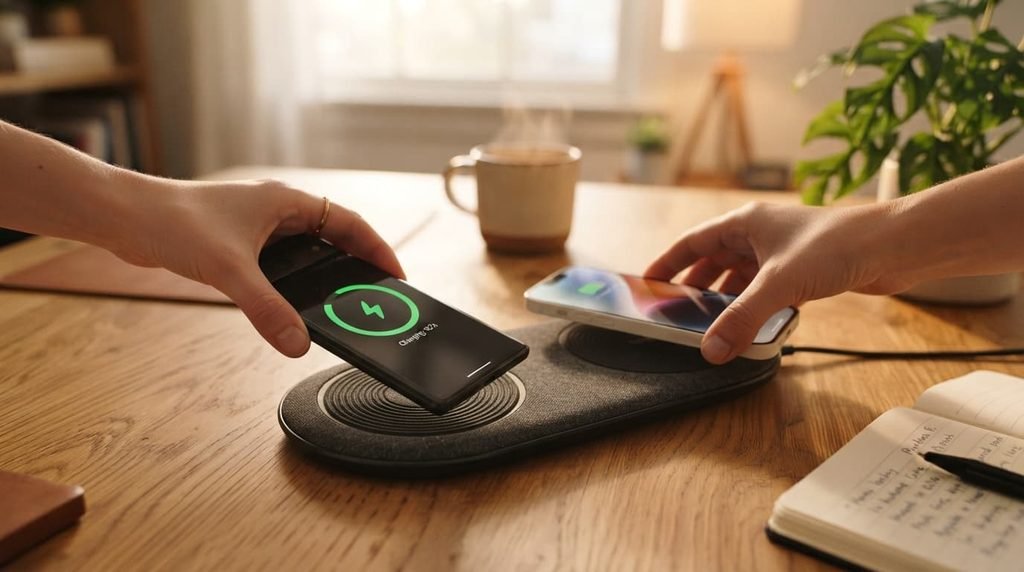
If your household genuinely shares one wireless charging pad among multiple people or devices, establish clear expectations about consistent positioning specifically for each different device, since different phones may have coils positioned differently, requiring genuinely different optimal placement on the same pad.
Consider whether a genuinely larger charging pad or multiple smaller pads better serves your household’s actual multi-device situation, since a single small pad designed for one device’s optimal positioning may create more inconsistency when regularly used by several different devices.
Step seven: prepare for genuine future troubleshooting
Note your own specific phone and pad model numbers and keep basic setup information accessible, rather than needing to search for this during an actual troubleshooting moment when you’re already experiencing frustration.
Bookmark your device manufacturers’ genuine support resources specifically for wireless charging troubleshooting, since having this readily accessible before you actually need it saves valuable time during a genuine reliability issue later.
Making the consistent positioning habit genuinely stick
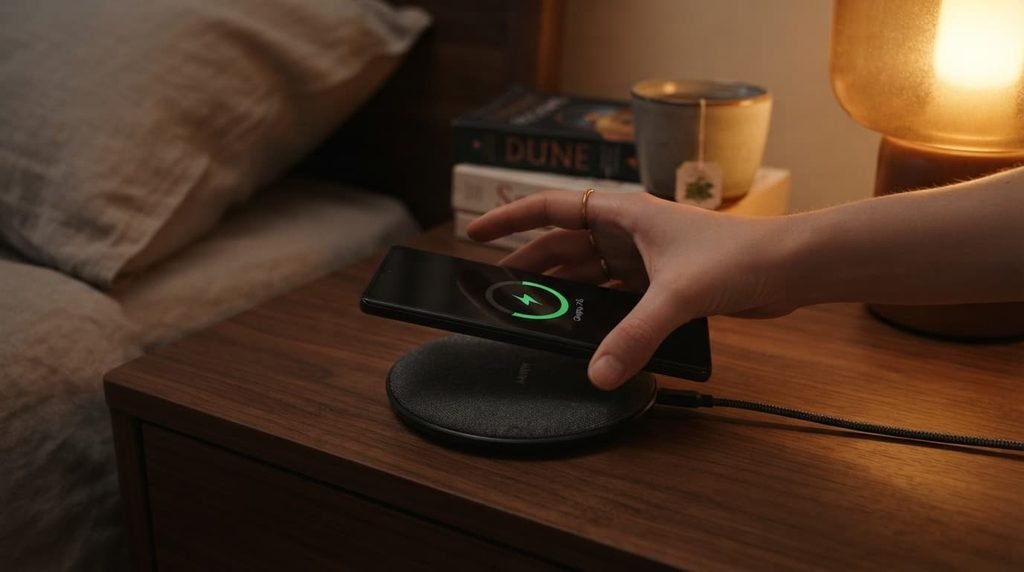
The positioning habit covered in step two is genuinely the single most valuable habit in this entire sequence, since it directly addresses the specific pattern of wireless charging failing due to alignment issues that develop from inconsistent daily placement. Nearly every other step in this guide sets up correct initial conditions, but only genuine consistent daily positioning actually maintains reliable charging over time.
Pairing this habit with something you already do regularly – placing your phone down as part of an existing bedtime or desk routine, for instance – makes it considerably more likely to genuinely persist long-term than treating it as a separate, easily forgotten consideration each time.
What isn’t worth doing
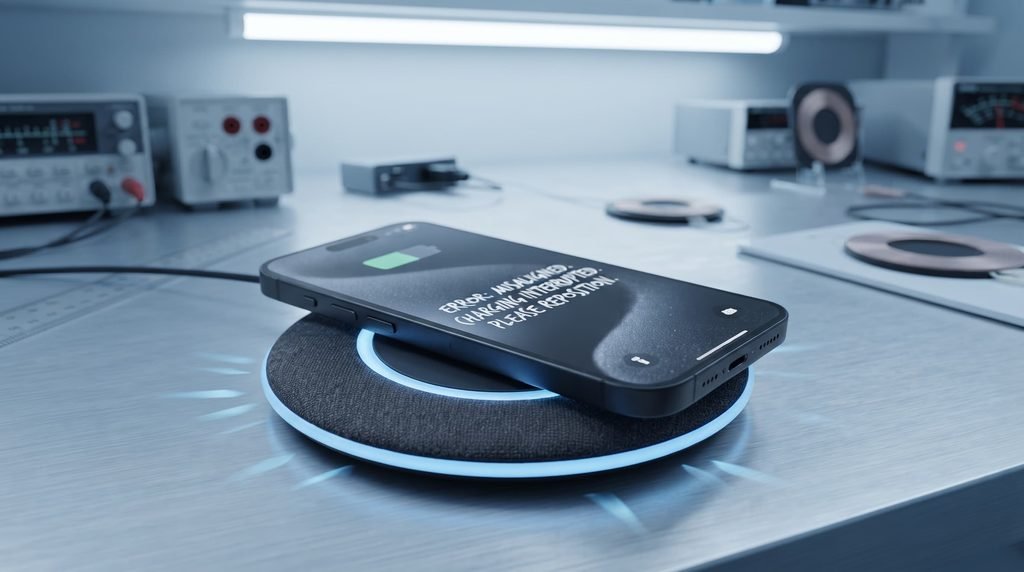
Skipping the compatibility confirmation and positioning verification steps specifically because charging seems to work initially, isn’t worth the risk this shortcut creates.
A setup that appears to work during initial testing can still have underlying alignment or compatibility issues that only surface during actual daily variation, meaning skipping these foundational steps often means discovering problems at inconvenient moments rather than during a calm initial setup period.
If you’ve only completed some of these steps
If you’ve confirmed compatibility and established reliable positioning but haven’t yet built in the habit of clearing your charging area consistently, this is genuinely solid progress worth continuing from, rather than needing every step completed simultaneously before your setup becomes genuinely reliable.
What genuinely distinguishes a reliable setup from an inconsistent one
The core difference between a genuinely reliable wireless charging setup and one that produces recurring frustration typically comes down to whether the steps above were followed as a deliberate sequence, or approached casually with the assumption that wireless charging simply works automatically without any genuine setup consideration required.
A household that treats these steps as a one-time initial investment, rather than an ongoing consideration, tends to experience gradually declining reliability as small habits slip – positioning becomes less consistent, debris accumulates unnoticed – even when the original setup was genuinely solid at the very start.
[IMAGE 6 HERE – replace this box with the generated image]
Questions readers keep asking
Which single step makes the biggest difference for long-term wireless charging reliability?
Establishing consistent positioning specifically tends to prevent the most common source of frustrating failures, since this directly addresses the alignment issues that account for a significant portion of inconsistent wireless charging experiences.
Is it worth using a wireless charging stand instead of a flat pad for genuinely more reliable positioning?
Some stands genuinely provide more consistent positioning through a fixed angle and resting point, which can reduce alignment variability compared to a flat pad where positioning depends entirely on manual placement each time.
Is it worth setting a recurring reminder specifically for periodically checking my wireless charging setup?
Yes, genuinely – relying purely on memory for periodic checks tends to result in these tasks being forgotten until a problem actually forces attention, so a simple recurring reminder removes this reliance on remembering unprompted, making the habit considerably more likely to genuinely persist.
How often should I actually check my wireless charging setup for genuine reliability issues?
Checking whenever you notice any charging inconsistency specifically, rather than waiting for a complete failure, helps catch developing issues – debris, minor wear – before they become a more disruptive, established problem.