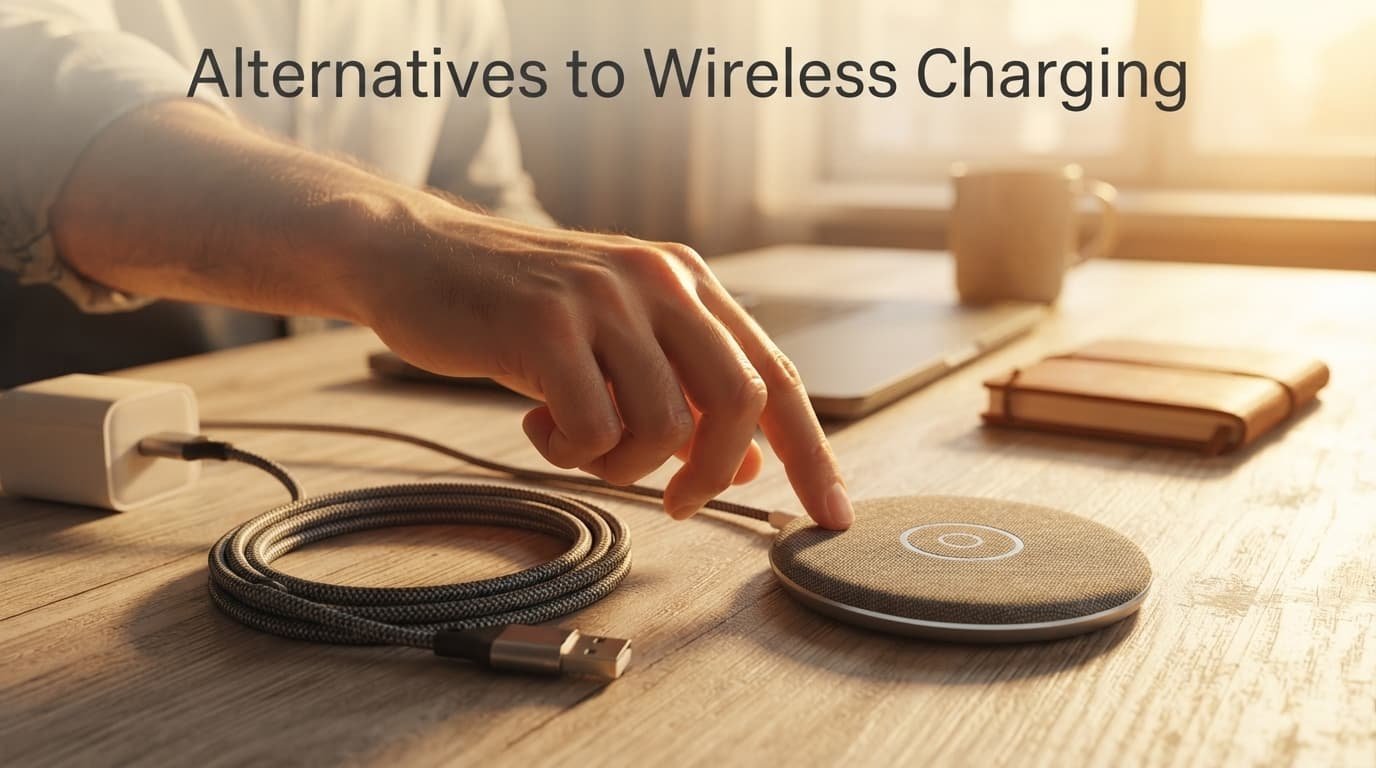
Wireless charging genuinely is the most straightforward way to charge without dealing with a cable connection, and there’s absolutely nothing wrong with choosing that particular option – but “most straightforward” and “genuinely convenient for every single situation” are quite different things, and the gap between them is exactly where the case for a genuine alternative starts to make sense. If wireless charging has started feeling more frustrating than convenient for your actual situation, the realistic path depends on understanding what specifically isn’t working and what each alternative trades away to address it differently.
What wireless charging is actually failing to provide for you
The core issue often isn’t genuinely that wireless charging technology itself is fundamentally flawed – it’s that your specific situation’s actual needs don’t align well with what wireless charging structurally provides. This matters because continuing to use wireless charging despite this misalignment means repeatedly experiencing the same friction, when a different approach might genuinely serve your actual situation better.
This specific distinction is where the case for alternatives begins. Identifying precisely what’s genuinely not working – charging speed, positioning reliability, needing to use your phone while it charges – changes which alternative, if any, might resolve your actual situation more effectively than persisting with wireless charging despite the friction.
The kinds of alternative, and what each costs you
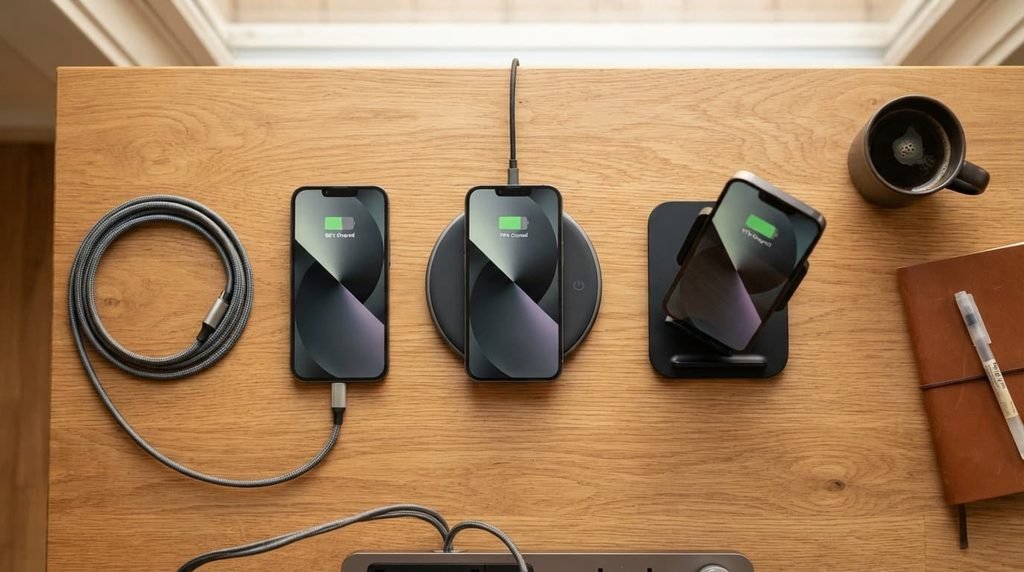
Returning to a direct cable connection specifically for situations where wireless charging’s limitations genuinely matter most. This directly addresses speed and reliability concerns, since a cable connection provides both faster charging and eliminates positioning inconsistency entirely. The trade-off: you lose wireless charging’s genuine convenience of simply placing your phone down without connecting anything.
Using a charging stand specifically if screen visibility during charging is your actual primary frustration with a flat pad. This directly addresses the specific limitation of not being able to comfortably view or use your phone while it charges. The trade-off: a stand still carries wireless charging’s inherent speed limitation and requires more desk space than a flat pad.
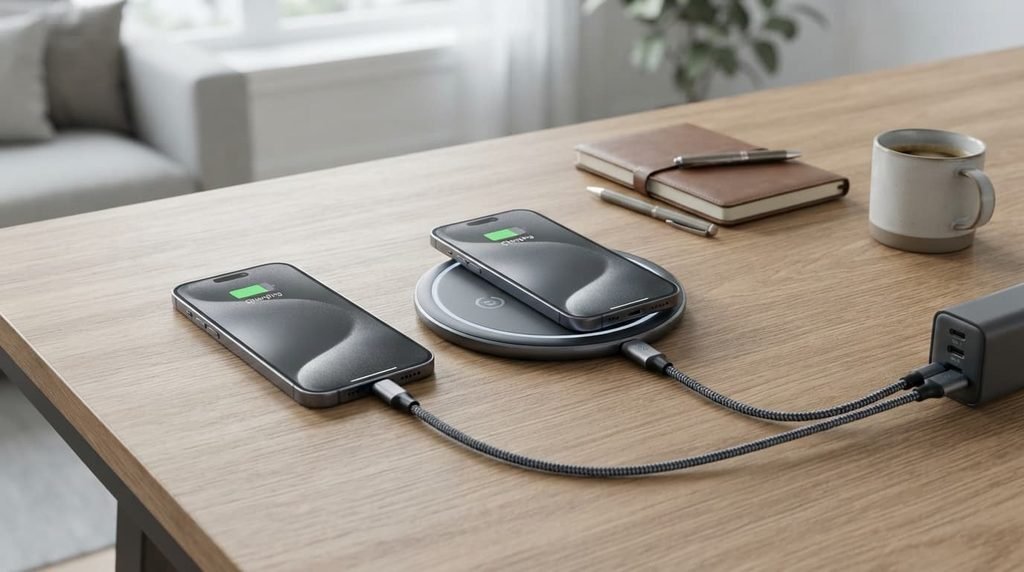
Combining wireless charging for convenient, casual situations with cable charging reserved specifically for when you genuinely need speed or reliability. This directly lets you use each method where its specific strength actually applies, rather than forcing one approach to serve every situation. The trade-off: this requires maintaining both charging methods and genuinely knowing when to use which one.
The trade-off nobody warns you about
The cost that shows up mid-decision isn’t the convenience lost by moving away from wireless charging – it’s discovering how much of your wireless charging frustration was actually about one specific, identifiable limitation rather than the technology as a whole.
Most advice about wireless charging frustration jumps straight to abandoning it entirely. Nobody mentions clearly enough that a meaningful portion of dissatisfaction stems from one specific limitation – speed, positioning, a particular use case – rather than comprehensive dissatisfaction, and recognising which category your specific situation falls into changes which alternative, if any, is actually worth pursuing.
How to figure out what you actually need
Identify specifically what genuinely frustrates you about your current wireless charging experience – is it speed, positioning reliability, or an inability to use your phone while charging – since this precise identification reveals whether a targeted alternative could resolve your actual situation more efficiently than complete abandonment.
Consider carefully whether your frustration is genuinely consistent across all charging situations, or specific to particular moments – overnight versus brief top-ups, for instance – since this distinction helps determine whether a combined approach might serve you better than choosing exclusively one method.
When wireless charging remains the reasonable choice
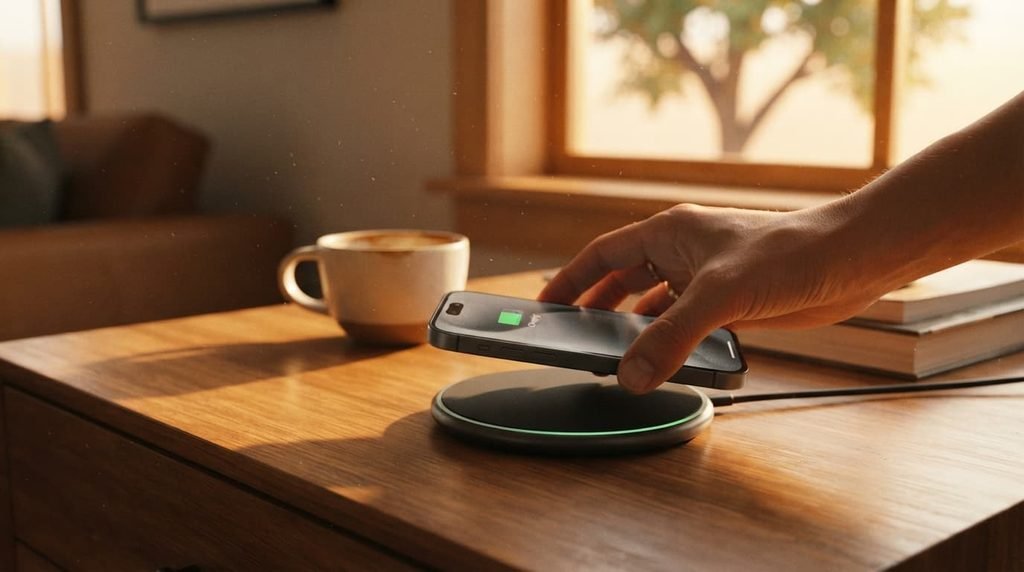
If you’ve genuinely identified your specific frustration and confirmed it’s a minor, occasional inconvenience rather than a consistent, meaningful problem, continuing with wireless charging remains a reasonable, meaningfully convenient choice specifically for that situation, rather than something to feel you should abandon.
I’ll say this plainly: wireless charging gets criticised more readily than the actual situation often justifies, particularly when the underlying frustration is genuinely minor or occasional rather than a fundamental mismatch with your actual needs. The push toward abandoning wireless charging entirely is often framed as universally sensible, when for many people, the genuine convenience still outweighs its modest limitations.
The one check worth doing before you decide anything
Before committing to any alternative, honestly identify what’s specifically frustrating you about wireless charging, rather than assuming general dissatisfaction automatically requires abandoning the technology entirely without first confirming this is genuinely the case.
This one important check prevents unnecessarily abandoning a genuinely convenient charging method for a limitation that a targeted alternative, or simply combining approaches together, might have addressed just as effectively.
What people get wrong about these alternatives
The most common mistake is treating this as an all-or-nothing decision, assuming that using cable charging for some situations means genuinely abandoning wireless charging entirely rather than a deliberate combination serving each method’s actual strength. This false either-or framing overlooks the genuine value of matching each specific situation to whichever method actually suits it best.
A second common mistake is abandoning wireless charging entirely without genuinely testing whether a different, better-designed charger might resolve the specific frustration first. Sometimes the actual issue is a particular charger’s quality or design, rather than a fundamental limitation of wireless charging as a technology, making this worth ruling out before committing to a full alternative approach.
Considering the genuine long-term convenience trade-off
Extended use of any single charging method, once genuinely settled into as a consistent habit, tends to feel considerably more convenient over time than the initial adjustment period might suggest, meaning a decision to switch methods deserves a genuine trial period before concluding it’s the wrong choice, rather than judging based on the awkwardness of an unfamiliar new routine alone.
This is particularly relevant for anyone considering returning to cable charging after genuinely becoming accustomed to wireless charging’s specific convenience, since the adjustment period readjusting to cable connection each time can initially feel like a genuine downgrade even when it genuinely serves your actual needs considerably better once the new habit becomes established and genuinely familiar over time.
Questions readers keep asking
Is it worth keeping wireless charging for some situations even if I primarily switch to cable charging?
For many people genuinely, yes – using wireless charging specifically for convenient, casual moments while reserving cable charging for when speed or reliability genuinely matters most combines both methods’ genuine strengths rather than requiring an exclusive commitment to either single one.
Does switching between wireless and cable charging regularly genuinely cause any issues for my phone?
Generally no, not at all – most phones handle switching between charging methods without any genuine issue whatsoever, making this combined approach a genuinely practical option without meaningful downside for your device’s actual day-to-day functioning.
How do I know if my wireless charging frustration is genuinely about the technology or just my specific charger?
Testing a different, genuinely well-reviewed charger before abandoning wireless charging entirely can genuinely help clarify this specific distinction, since your own specific charger’s own quality and design may be the actual genuine source of frustration rather than wireless charging as a broader technology itself.