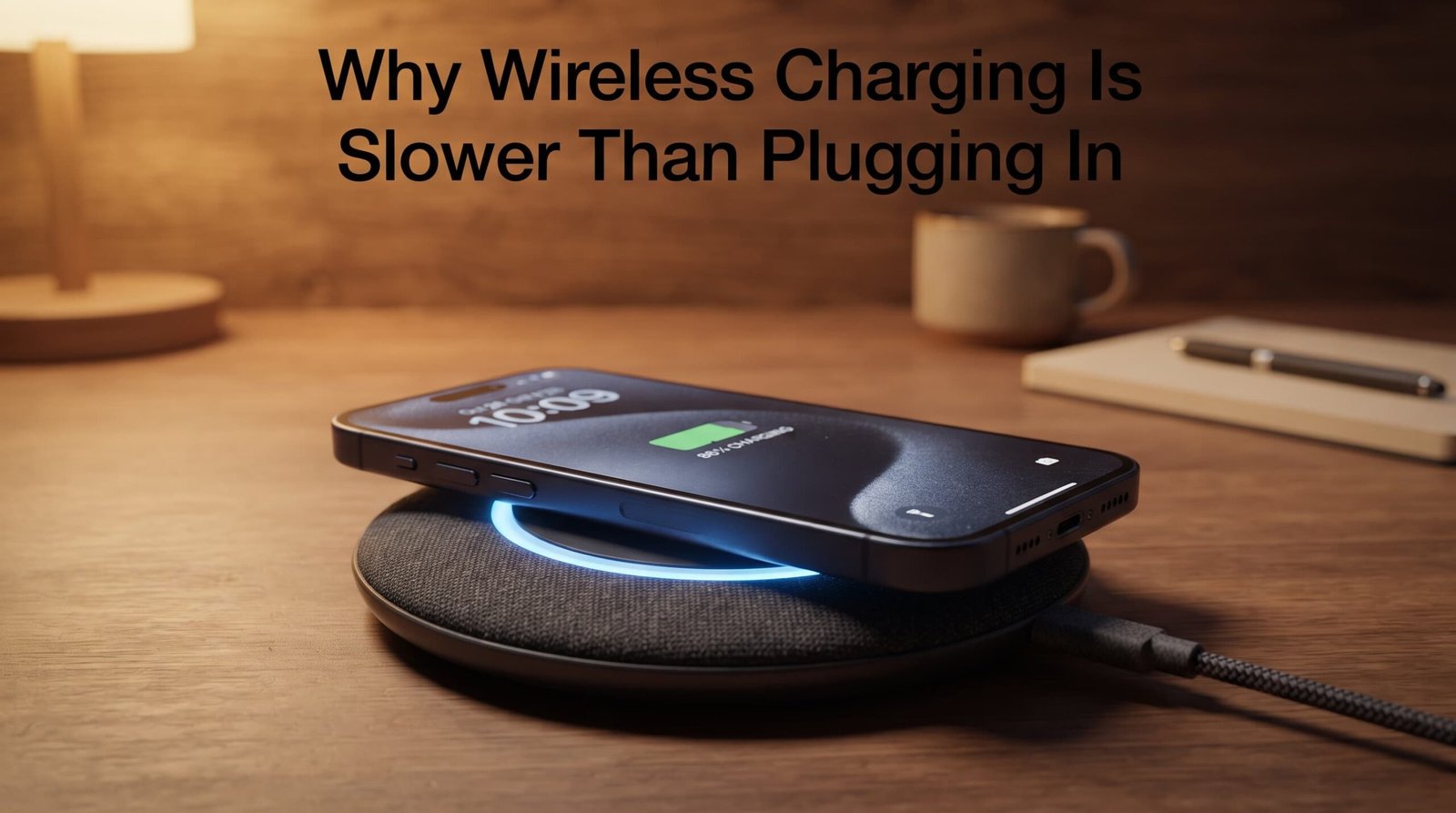
Wireless charging genuinely transfers power through electromagnetic induction between two entirely separate coils, a process that inherently loses more energy as heat during transfer than a direct physical cable connection genuinely does. This fundamental difference explains both why wireless charging typically takes longer than a comparable cable connection, and why this speed gap isn’t simply a matter of inferior technology or engineering oversight.
The short answer, and what it leaves out
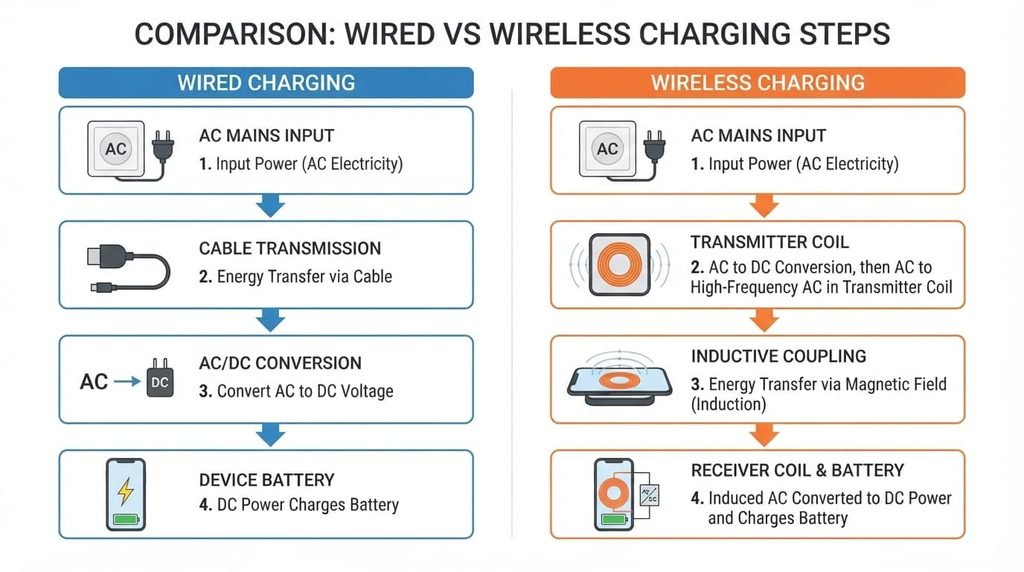
A wired connection transfers electrical current directly through physical contact, while wireless charging must first convert that electrical current into an electromagnetic field, transmit it across a small physical gap, then convert it back into electrical current on the receiving end.
What that leaves out is why this specific multi-step conversion process actually matters for charging speed – each conversion step genuinely loses some energy as heat rather than transferring with perfect efficiency, meaning wireless charging inherently delivers less usable power to your phone’s battery than the same electrical input would provide through a direct wired connection.
How it actually works, step by step
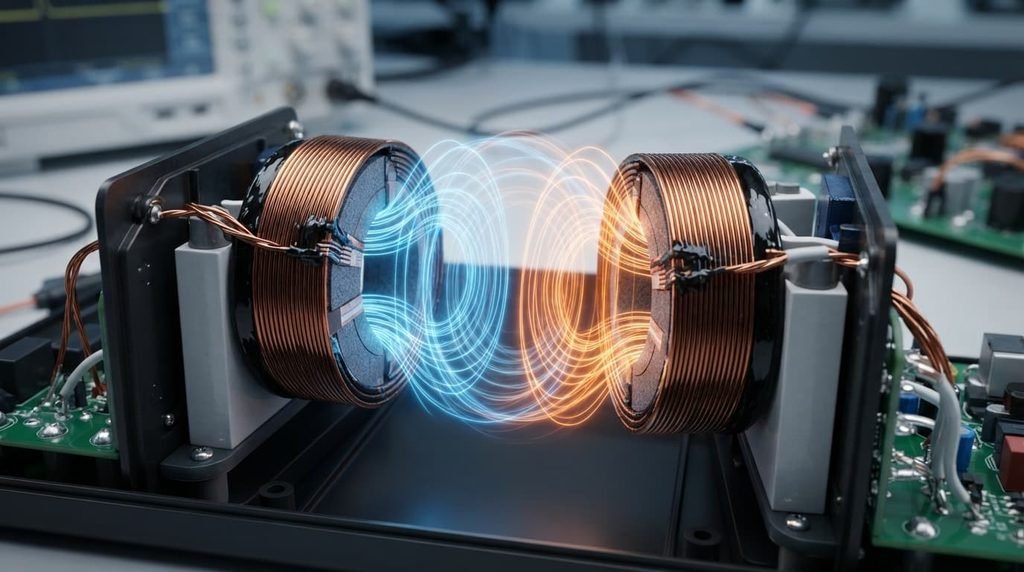
Your charging pad’s internal coil receives electrical current and converts it into an oscillating electromagnetic field specifically, a conversion process that itself introduces some genuine energy loss as heat, even before that field actually reaches your phone.
This electromagnetic field then induces a corresponding electrical current in your phone’s own internal coil, a process that depends on genuine physical alignment and proximity between the two coils, with efficiency declining as either alignment or distance moves away from ideal conditions.
Your phone then converts this induced current back into usable power for charging its battery, completing a three-step conversion process where each individual step contributes some genuine energy loss, cumulatively resulting in less efficient power transfer than a direct wired connection’s single-step process achieves.
Why heat is the visible sign of this inherent inefficiency
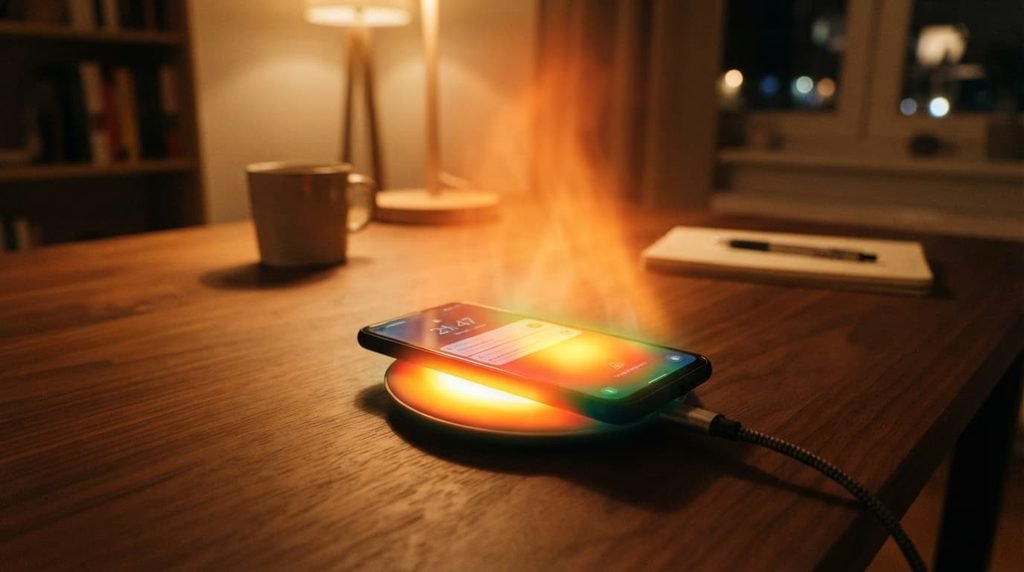
The genuine energy lost during wireless charging’s multi-step conversion process doesn’t simply disappear – it’s released primarily as heat, which is why a charging pad and phone genuinely feel warmer during wireless charging than during an equivalent wired charging session. This warmth is a direct, physical manifestation of the energy conversion loss described above, rather than an unrelated or separate characteristic of the technology.
This is part of why genuinely excessive heat during wireless charging can actually reduce charging speed further specifically, since many phones include protective measures that deliberately slow charging when temperatures rise beyond a certain threshold, meaning the inherent inefficiency and its resulting heat can create a compounding effect on overall charging speed under certain conditions.
The analogy, and where it breaks
This process is sometimes compared to passing a message through several people rather than delivering it directly yourself – each person passing the message along introduces some chance of the message losing some detail or accuracy compared to direct delivery.
The analogy holds for the core multi-step-versus-direct-transfer distinction. It breaks because each person passing a message could theoretically relay it with perfect accuracy given enough care, while electromagnetic induction’s energy loss is a genuine physical characteristic of the process itself, not simply a matter of insufficient care or effort at each step.
What this does not explain
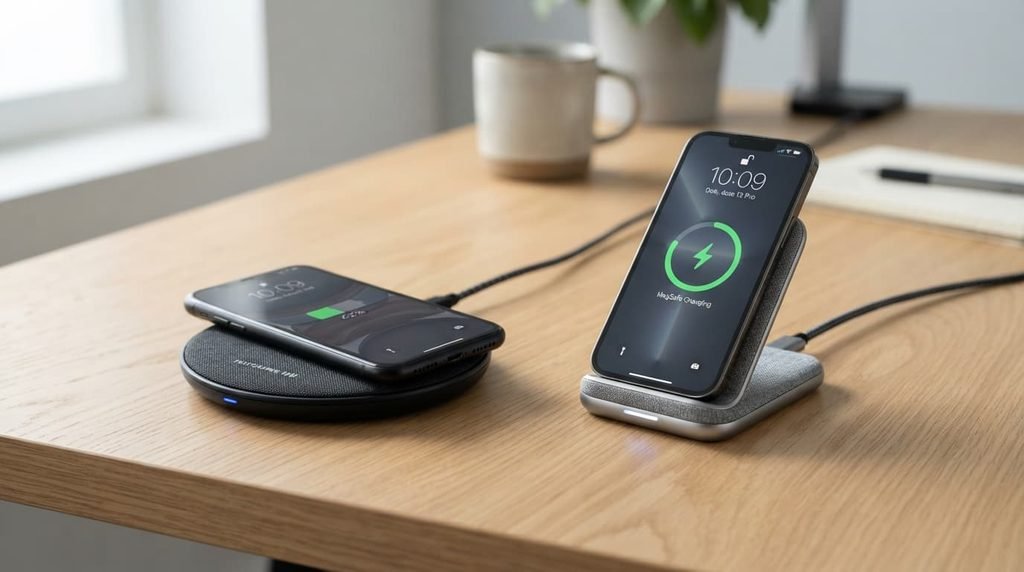
The multi-step conversion explanation clarifies why wireless charging is inherently less efficient, but it doesn’t explain or address every speed factor specifically – your particular phone and charging pad’s actual power output specifications also genuinely affect charging speed independently of the inherent efficiency loss, meaning two wireless setups can still charge at meaningfully different speeds despite sharing this same fundamental technology.
It also doesn’t explain why some wireless charging standards achieve genuinely faster speeds than others specifically, since ongoing technology improvements have narrowed, though not eliminated, the speed gap between wireless and wired charging over time.
What people get wrong about it
The belief that wireless charging being slower means the technology is fundamentally flawed or poorly designed. This forms because people often expect wireless technology to match or exceed wired performance the way it has in other technology categories, but wireless charging’s speed limitation stems from genuine physics specific to electromagnetic induction, not from poor engineering that could simply be fixed with better technology alone.
The belief that a more expensive or premium wireless charger will always fully close the gap with wired charging speed. While premium chargers can genuinely improve efficiency and speed somewhat, the fundamental multi-step conversion process still applies regardless of price point, meaning even excellent wireless charging technology typically remains somewhat slower than a comparable direct wired connection.
Where the popular explanation oversimplifies
Advice describing wireless charging as simply “convenient but slower” glosses over the meaningful physical reason behind that speed difference, treating it as an arbitrary trade-off rather than accurately reflecting a genuine, physics-based characteristic of how electromagnetic induction actually works.
This distinction matters practically: understanding that the speed difference stems from genuine energy conversion loss, not simply inferior technology, helps set realistic expectations about wireless charging’s actual capabilities rather than assuming future technology will necessarily close this gap entirely.
Wireless charging’s speed limitation comes from genuine physical energy loss during multi-step electromagnetic conversion, not from arbitrary technological limitation – this explains why the speed gap persists even as the technology continues to genuinely improve over time. Understanding it as a physics-based characteristic, rather than simply a convenience trade-off, is the detail most explanations skip, and it’s the one that actually explains why wireless charging’s speed gap with wired charging likely won’t fully disappear.
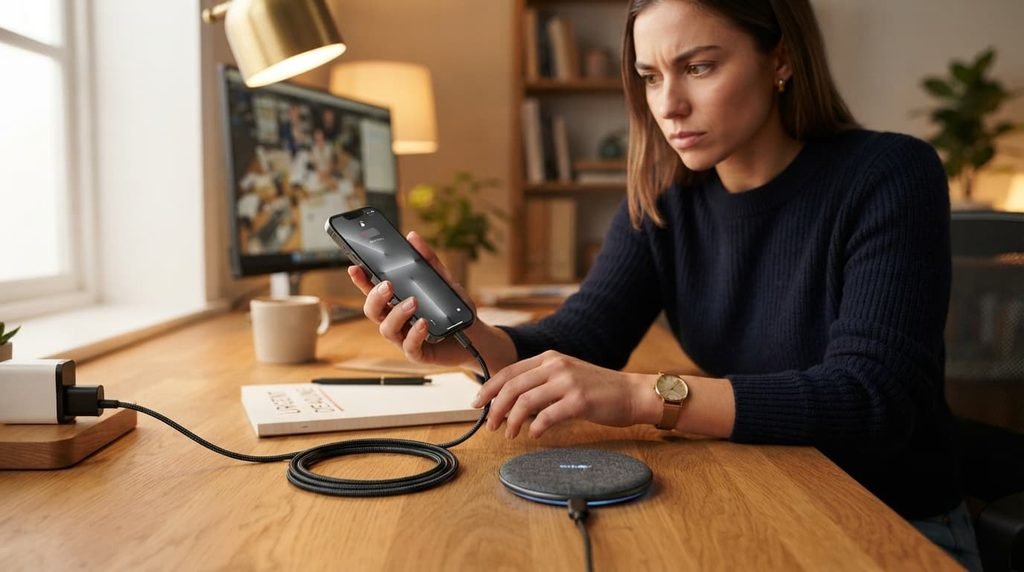
Why this matters beyond simply accepting slower charging
Understanding this genuine physical mechanism helps you make more informed decisions about when wireless charging genuinely suits your needs versus when a direct wired connection better serves a specific situation – genuinely urgent charging needs, for instance, are better served by wired charging’s inherent speed advantage, while wireless charging’s convenience genuinely suits situations where charging speed itself matters less than ease of use.
Questions readers keep asking
Will wireless charging technology eventually become just as fast as wired charging?
Genuinely closing this gap entirely seems unlikely given the fundamental physics involved, though continued technology improvements will likely keep narrowing the difference, making wireless charging progressively more competitive with wired options over time without necessarily eliminating the gap completely.
Does wireless charging’s inherent energy loss genuinely waste meaningfully more electricity than wired charging?
The genuine energy loss is real but typically modest in absolute terms for everyday phone charging specifically, meaning this factor matters more for genuine efficiency purists than for typical households where the difference in actual electricity cost remains quite minimal.
Does keeping a phone case on genuinely worsen the heat and efficiency issues during wireless charging?
Yes, somewhat – a case adds additional distance and potential material interference between the coils, which can genuinely compound both the inherent efficiency loss and the resulting heat generation, making case removal worth considering specifically if you’re noticing more pronounced warmth or slower charging than expected during wireless use.
Is there a genuine speed benefit to using a charging pad specifically designed for faster wireless charging standards?
Yes, meaningfully – pads genuinely designed for faster wireless charging standards, combined with a compatible phone, can achieve noticeably better speeds than basic wireless charging, though this still typically remains somewhat slower than the same phone’s genuine maximum wired charging speed.